A no annual fee card can be worth opening to replace lost purchase protection, but only if the card you pick actually covers the things you buy and you'd use it for those purchases. The reason is simple: card protections only work on purchases you put on that specific card, so a new card with no fee costs you nothing to hold but does nothing until you use it. Before you apply, figure out which protections you really used on your old card, then check whether a no-fee card offers them. Don't apply just because a perk sounds nice.
Key Takeaways
- A no-fee card can replace lost protection only if it covers the specific things you buy, like extended warranty, purchase protection, returns, price drops or phone damage.
- Benefits differ a lot from card to card, so read the benefits guide before you apply instead of assuming a no-fee card matches your old one.
- If you rarely file claims, a new application may not be worth it. A card you already own might cover enough.
Should you open a new card just to replace what you lost?
Start with what you actually used. Many people remember having protections on a card but never filed a claim. If your old business card covered the gear you bought for work, ask whether you still buy that kind of gear, and whether you'd buy it on a personal card now. Compare current no annual fee offers.
Here's the test. If you buy a few big-ticket items a year, such as a laptop, an appliance or a phone, then a card with extended warranty and purchase protection could be worth having. If you mostly buy small things, a new application adds an account and a credit check for a benefit you might never use.
A no annual fee card makes the decision easier because it has no annual fee. But a hard inquiry and a new account still affect your credit, so the question is whether the coverage fits your real spending.
Already know what you want? Losing a protection setup you relied on is frustrating. Here's how to decide if a no-fee card is the right fix.
Learn MoreWhat does each type of protection actually do?
These benefits sound alike but cover different problems. Knowing the difference helps you shop for the right ones.
Extended warranty adds time to the manufacturer's warranty on eligible items. Purchase protection can help if something you bought is damaged or stolen soon after you buy it. Return protection can help when a store won't take back an item. Price protection may refund the difference if the price drops soon after you buy. Phone protection may help with damage or theft if you pay your phone bill with the card.
Phone problems are common. In 2023, 31% of U.S. smartphone owners reported damaging a smartphone, 8% reported permanently losing one, and 5% reported having one stolen.[1] That's why phone protection is worth checking, though it often comes with a deductible and limits.
- Extended warranty: adds time to a manufacturer's warranty
- Purchase protection: damage or theft shortly after purchase
- Return protection: when a store refuses a return
- Price protection: refund if the price drops
- Phone protection: damage or theft if you pay the bill with the card
Every card's benefits guide lists what's covered, what's excluded, and how to file. Check it before you apply, not after something breaks.

Phone damage is common, which is why phone protection is worth checking before you apply.
Do no annual fee cards have these protections?
Some do, but fewer than premium cards, and the terms are often narrower. A no-fee card might include purchase protection and extended warranty while skipping return or price protection. Others offer none of them.
That means you shouldn't assume a free card matches your old business card. Make a short list of the two or three protections you'd really use, then compare cards against that list.
Also look at limits. Coverage periods are shorter on some cards, and many exclude certain items such as used goods or items that are lost rather than stolen. The details matter more than the headline.
No Annual Fee Offers
Ready to compare protection benefits?
| Protection | Helps when | Check in the guide |
|---|---|---|
| Extended warranty | An item fails after the manufacturer's warranty ends | Eligible items and added time |
| Purchase protection | An item is damaged or stolen soon after purchase | Coverage window and exclusions |
| Return protection | A store won't take an item back | Time limits and item types |
| Price protection | The price drops after you buy | Whether the benefit is offered at all |
| Phone protection | A phone is damaged or stolen | Deductible and bill requirement |
Is it worth it if you shop and return a lot?
Returns are a big part of shopping. U.S. retailers estimated that 16.9% of their 2024 sales would be returned, totaling approximately $890 billion in merchandise.[2] And 76% of consumers considered free returns an important factor when deciding where to shop.[3]
Most returns go smoothly through the store, so return protection matters only in the odd case where a store refuses. If you often buy from smaller sellers with strict policies, it could help. If you shop mostly at large stores with easy returns, you may not need it.
For bigger purchases, the numbers add up. The average U.S. consumer unit spent $2,414 on household furnishings and equipment in 2024.[4] If you spend like that, warranty and purchase protection on a few items could be worth having.
What if a card you already own covers enough?
Before you apply, check the cards in your wallet. Many people already have some protection and don't know it. Look up the benefits guide for each card you hold.
If one of them covers extended warranty and purchase protection, you may only need to start using it for the right purchases. That costs nothing and adds no new account.
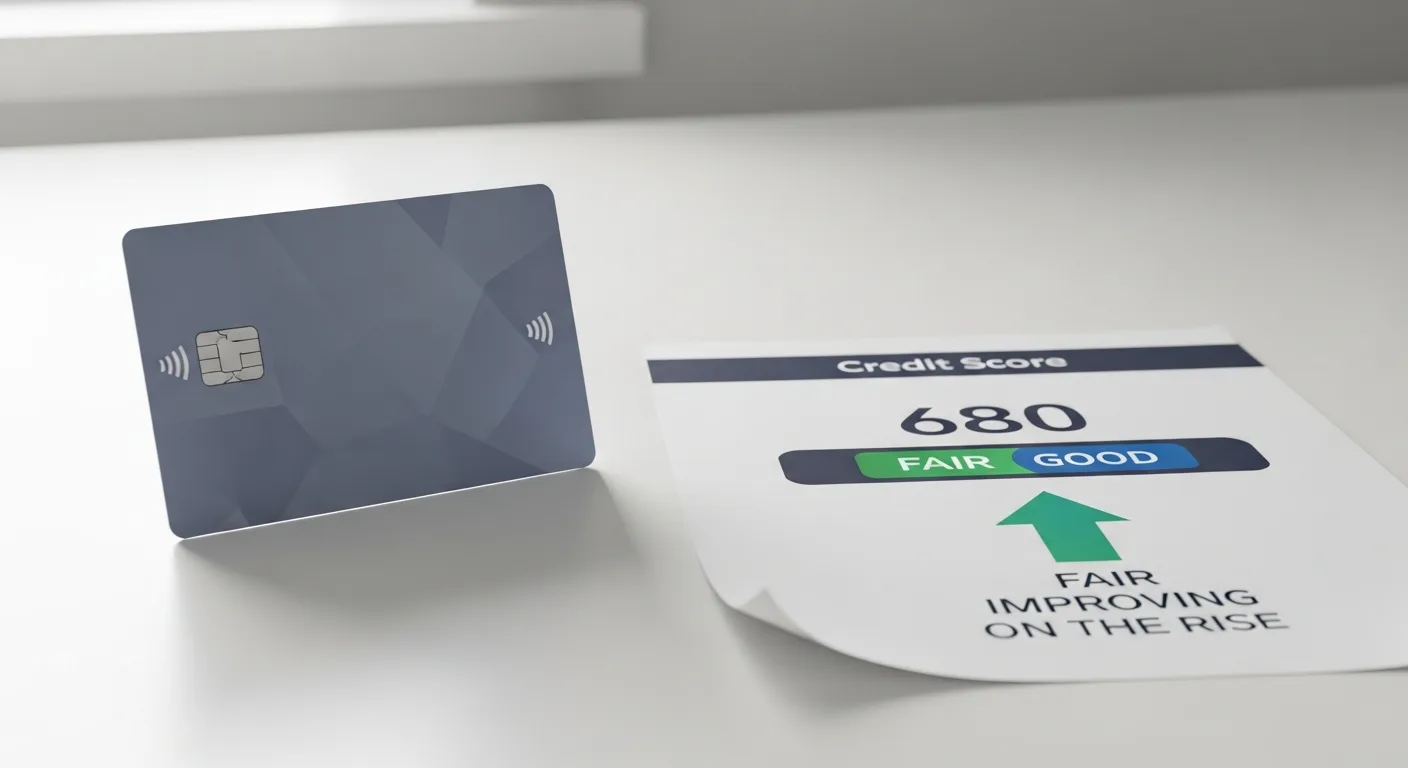
If nothing you own covers what you need, then a new no annual fee card is a reasonable fix. Recommended credit ranges vary by card, and many no-fee cards are recommended for good to excellent credit, so check the range before you apply.
Apply only if a card covers at least two protections you'd realistically use and you'll put those purchases on it.
Compare Current Offers
Check out top offers available now
If you've decided a new card makes sense, compare no annual fee options and read each benefits guide closely.

Listing the protections you'd really use makes comparing cards much easier.
Learn More About Top OffersFrequently Asked Questions
Is a no annual fee card worth opening just for purchase protection?
Which protections should you look for?
Do you have to pay with the card to get the protection?
Can a personal card replace business card protections?
Will a new card hurt your credit?
Should you check cards you already own first?
The Bottom Line
A no annual fee card is worth opening to replace lost protection only if it covers what you actually buy and you'll use it for those purchases. List your top two or three protections, then check your current cards first.
If a new card fills a real gap, it can be a low-cost fix. If not, skip the application and keep your credit profile simple.