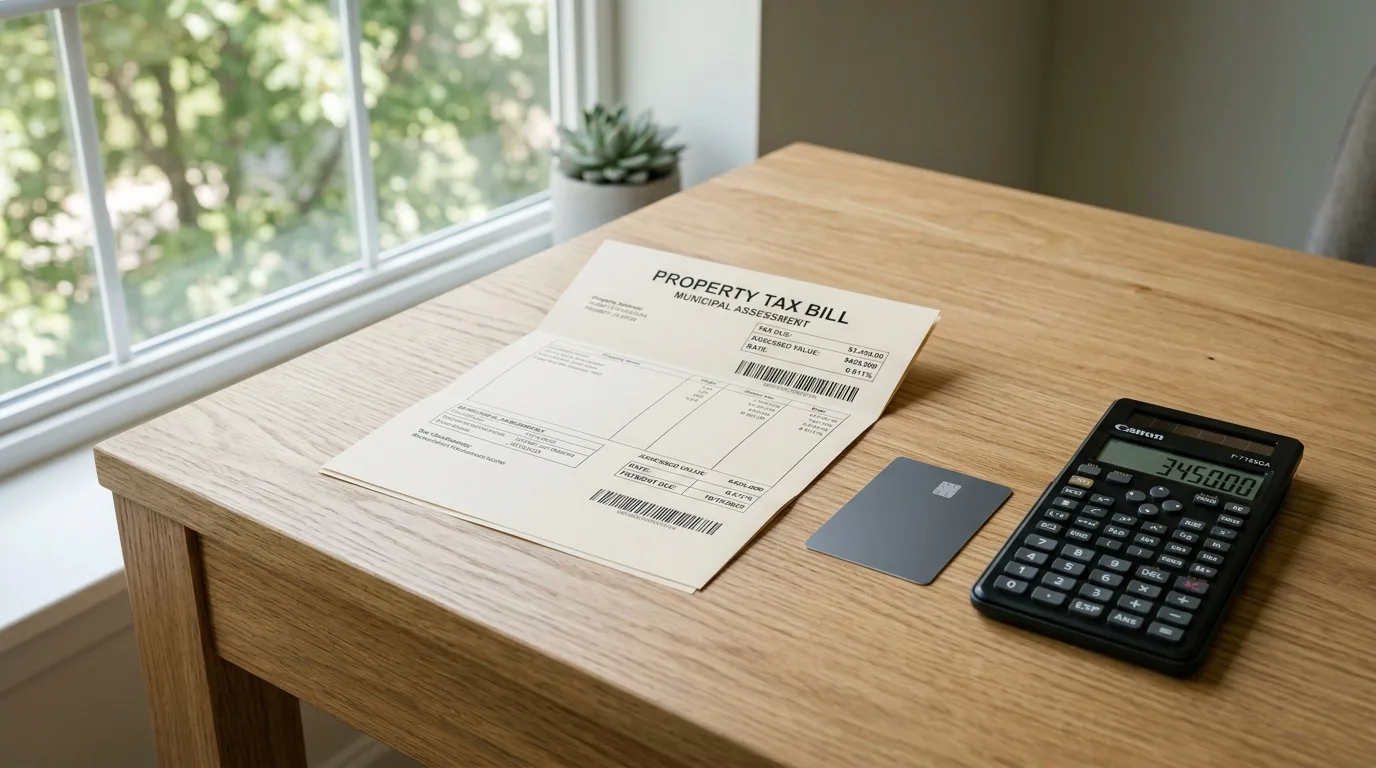
Usually no, a card's everyday rewards rate won't beat a county's card fee on property taxes, but a welcome offer sometimes can. Counties that accept cards typically pass along a processing fee, and that fee is often larger than the rewards a typical no-annual-fee card earns. The one case where it could work is when a new card's welcome offer is within reach of your tax bill, and you pay the card off in full.
Why do counties charge a fee to pay property taxes by card?
When you pay with a card, someone has to cover the cost of processing it. Many counties don't want to eat that cost, so they hire a payment company and pass the fee on to you. You'll often see it as a percentage of your payment, sometimes with a minimum charge. Compare current offers.
That's the same setup you see on federal taxes. For IRS payments, approved processors charge 1.75% or 1.85% for consumer credit-card payments, with a $2.50 minimum fee.[1] Counties set their own rates, so yours could be higher or lower, and some charge a flat fee instead.
The fee is the number to beat. Whatever you earn in rewards has to be larger than that fee, or you're paying extra for the privilege of using a card.
Already know what you want? Want to see if a card could cover the fee on your tax bill? Compare current no-annual-fee offers before you decide.
Learn MoreCan everyday cash back beat the fee?
Usually not. Cash-back cards typically return 0.5% to 3% of purchase volume.[2] Most no-annual-fee cards sit at the lower end for a purchase that doesn't fall into a bonus category, and property taxes rarely do.
Here's a simple example. Say your county charges 2% and your card earns 1.5% back. On a $4,000 bill, you'd pay $80 in fees and earn $60 in rewards. You'd be down $20 for the convenience.
Even a card earning 2% back only breaks even at a 2% fee, and that's before you count any hassle. So if you're relying on the regular rewards rate, the fee usually wins.

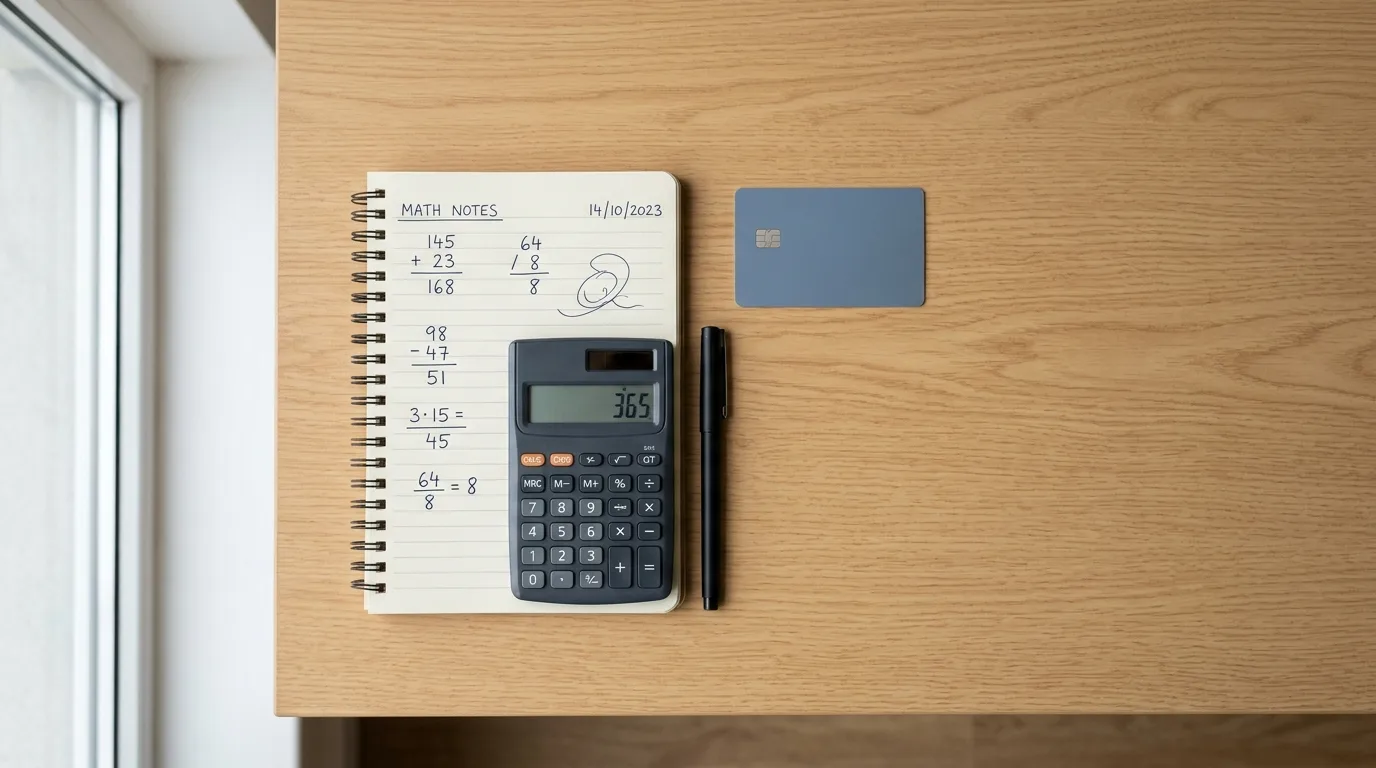
A quick calculation of fee versus rewards shows whether paying by card could be worth it.
When could a welcome offer make the fee worth it?
A welcome offer is the one thing that can tip the math. Many cards offer a bonus after you spend a set amount in the first few months. If your tax bill gets you most or all of the way to that minimum, the bonus can be larger than the fee.
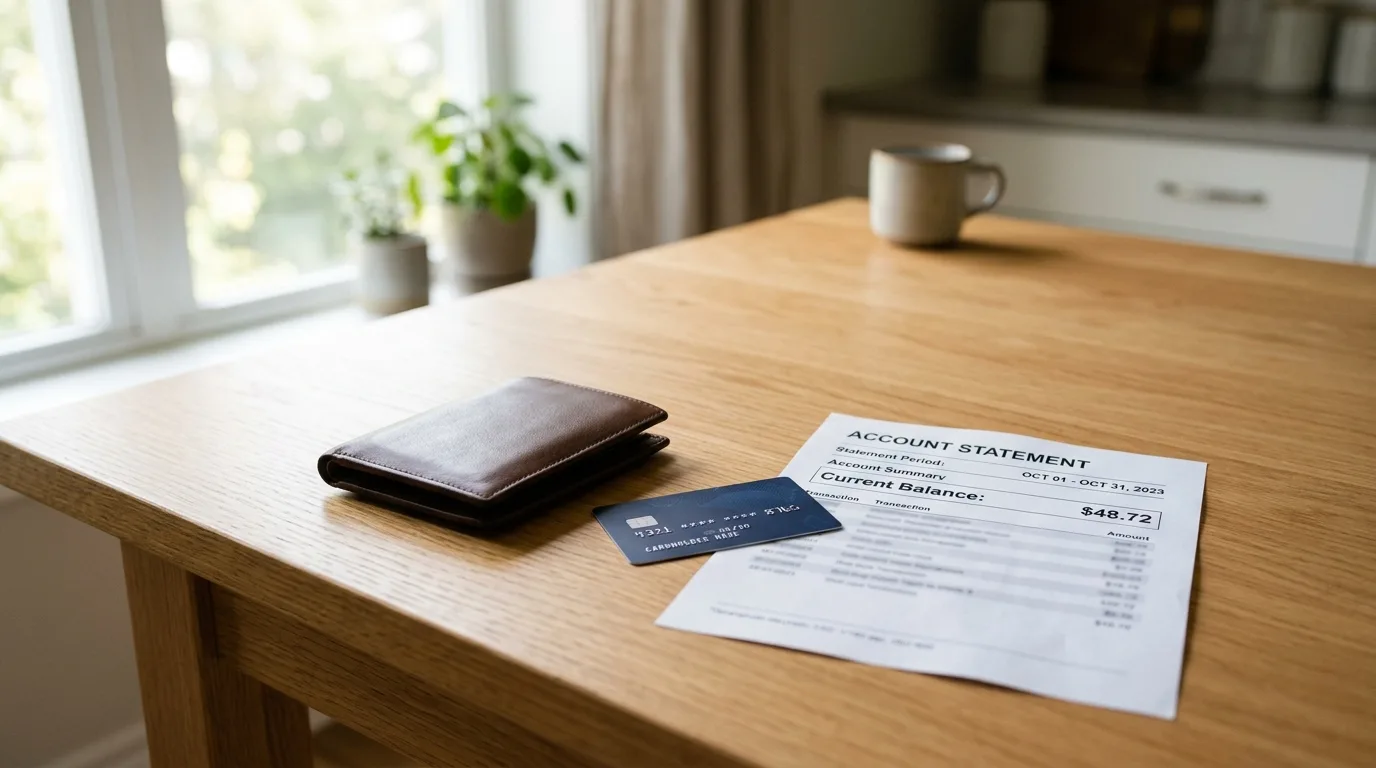
The average annual real estate tax paid across U.S. owner-occupied homes was $4,112 in 2023.[3] On a bill that size, a 2% fee would be about $82. If a new card's bonus is worth more than that and the tax payment helps you reach the spending requirement, you could come out ahead.
Check three things before you go this route:
- The bonus value is clearly larger than the fee, with room to spare
- You'd reach the minimum spend with money you already planned to spend, not extra purchases
- You can pay the full balance by the due date, so no interest cuts into the gain
Multiply your tax bill by the county's fee percentage to get the fee. Then add the rewards you'd earn plus any welcome bonus. If that total isn't clearly bigger than the fee, pay another way.
No Annual Fee Offers
Compare no-annual-fee cards before you pay your tax bill
Does a mobile wallet or a different payment route help?
Sometimes the fee depends on how you pay, not just on the card. Some counties charge less for a debit card or an electronic bank transfer, and some charge nothing at all for a check or an e-check. Look at every option on your county's payment page before you pick.
A mobile wallet is just a way to hold and use your card. It won't lower the county's fee, and it usually doesn't change your rewards. It can matter only if your county's payment page offers it and your card has a bonus for that kind of payment, which is uncommon for taxes.
The cleanest check is simple: compare the card fee to the free option. If the free option exists, your rewards have to beat the entire card fee just to break even.
Should you open a no-annual-fee card just for this?
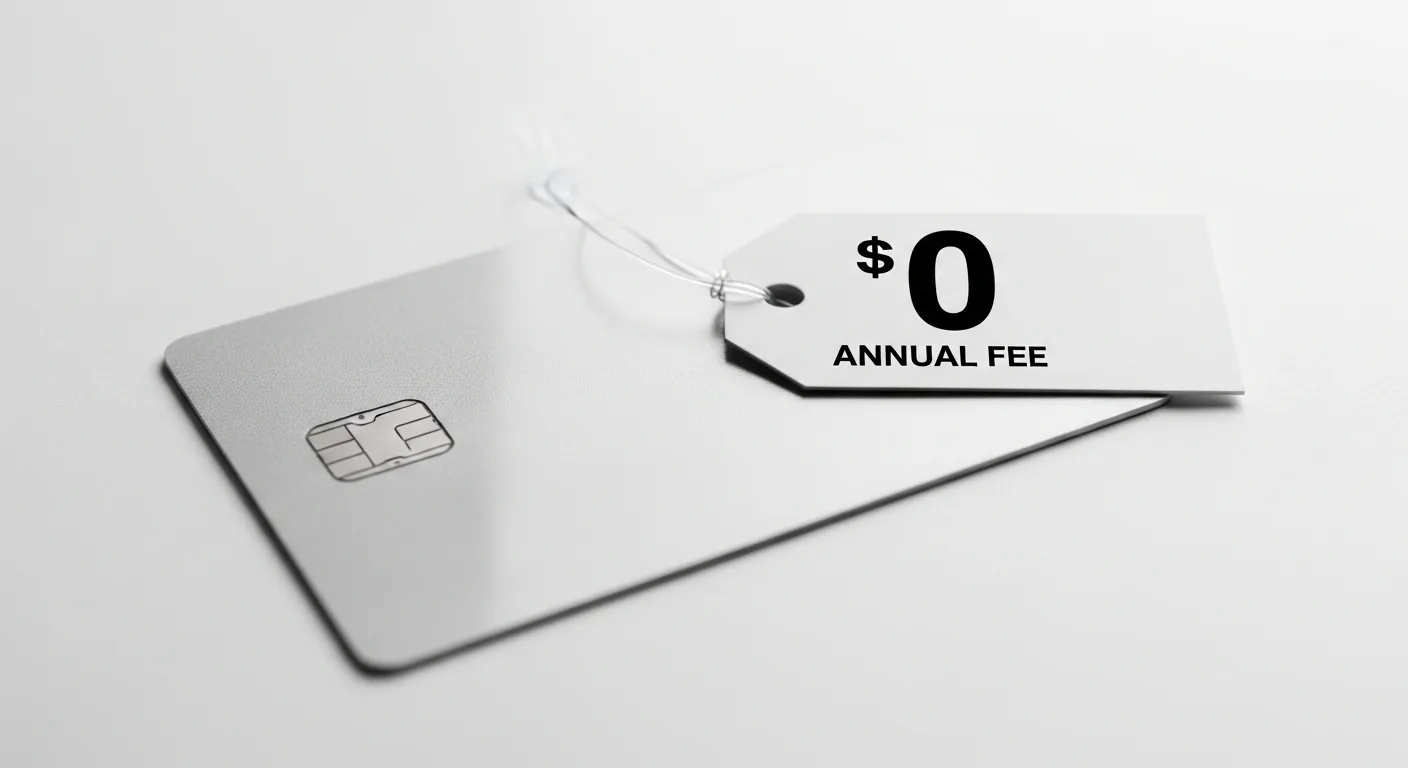
Maybe, but only if you'd want the card anyway. A no-annual-fee card doesn't cost you to keep, so the risk is smaller than with a card that charges a yearly fee. Still, opening a new account is a real decision, and it makes sense only if you'd use it beyond one tax payment.
Think about timing too. If your bill is due soon, you may not have time to reach a spending minimum, and you won't know the card's terms until you've seen them. Compare current offers and read the details, such as the spending window and which purchases count.
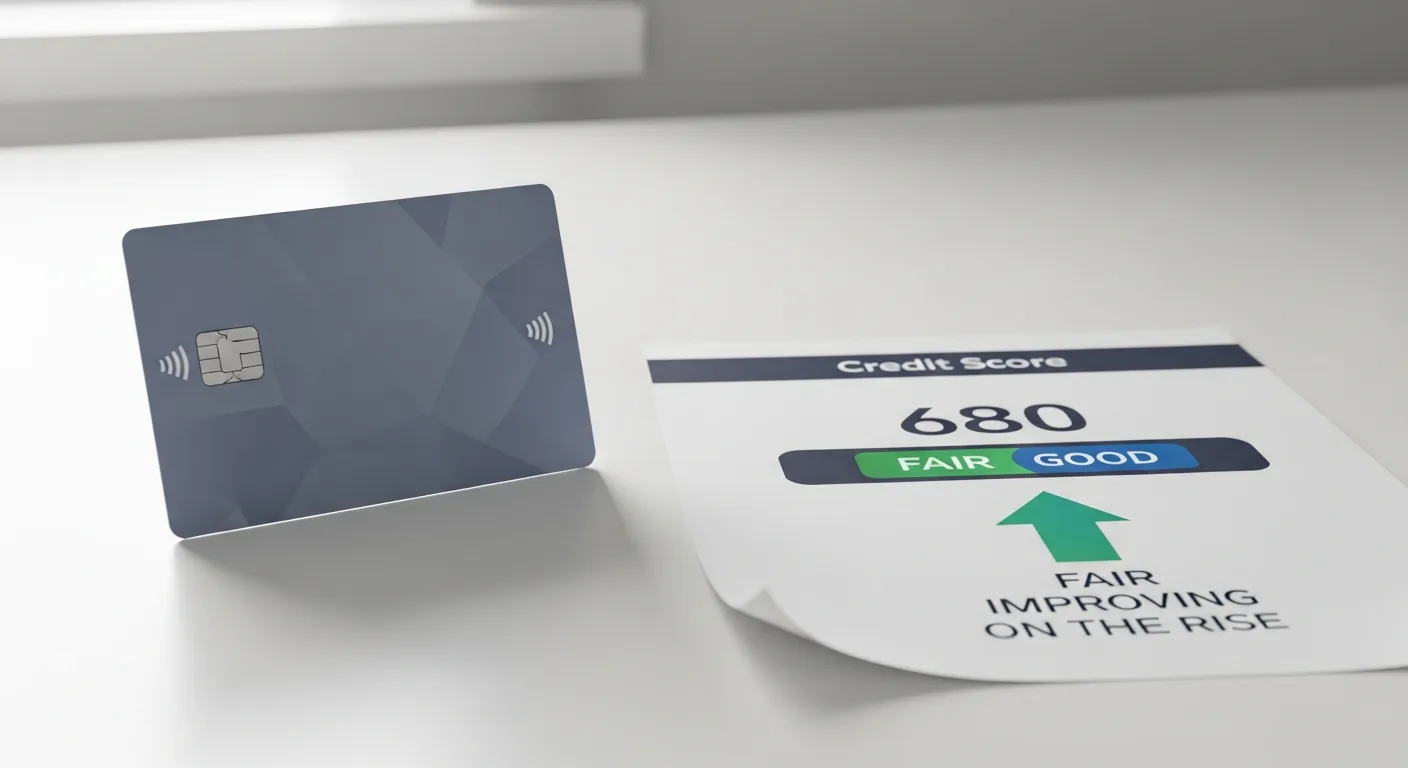
Most important, don't carry a balance to earn rewards. Interest at a regular card APR can wipe out a bonus quickly. These cards are generally recommended for good to excellent credit, so if you're not in that range, the free payment methods may be the better fit.
Compare Current Offers
Check out top offers available now
If the math works for your bill, see which no-annual-fee cards fit your credit range and spending plans.

Comparing every payment option on the county's page can reveal a cheaper route than a card.
Learn More About Top OffersFrequently Asked Questions
Can a credit card beat the fee on property taxes?
When does a welcome offer make the fee worth paying?
Should I open a new card just to pay property taxes?
How do I find out my county's card fee?
Does a mobile wallet lower the processing fee?
What if I can't pay the full balance right away?
Is a no-annual-fee card a safer choice for this?
The Bottom Line
A card can beat the fee on property taxes only in a narrow case: when a welcome offer is worth clearly more than the fee, the tax payment helps you hit the minimum spend, and you pay the balance in full. Everyday rewards alone rarely get there.
So work out the fee on your actual bill, compare it to any free payment option, and open a card only if you'd want it anyway. If the numbers don't clearly favor the card, the simple route is the better one.