If you're starting from zero credit, you essentially have two fast paths: open a secured card in your own name, or get added as an authorized user on someone else's account. Both work — but which one builds credit faster depends on your specific situation. Authorized user status can be quicker if the primary cardholder has a long, clean history, because that entire account history gets added to your credit report almost immediately. A secured card takes longer to show results — typically three to six months before you have a scoreable profile — but it's entirely under your control and doesn't require trusting someone else with your credit future. If you have a parent or trusted family member with a solid account, authorized user status is probably the faster route. If you're on your own, a secured card is the most reliable path and still gets most people to a usable score within six months.
Key Takeaways
- You can reach a "Good" credit score (670+) in as little as 6-12 months with consistent responsible use
- Payment history (35%) and credit utilization (30%) together control 65% of your score
- A secured card with a small deposit is the best starting point for most people with no history
Already know what you want? See top no annual fee starter cards available right now.
Learn MoreQuick Answers
Short answers for the most common questions before you get into the details.
How long does it take to build credit from nothing?
With consistent responsible use, you can go from no credit history to a "Good" score (670+) in as little as 6 to 12 months. The fastest gains come in the first 6 months when your on-time payment history first takes effect. Reaching "Excellent" (750+) typically takes 2-3 years of steady behavior.
What is a secured credit card and how does it work?
A secured credit card requires a refundable cash deposit that becomes your credit limit. You use it like any regular card, and the issuer reports your payment activity to all three major credit bureaus. After demonstrating responsible use for 6-12 months, most issuers will upgrade you to an unsecured card and return your deposit.
What credit utilization ratio should I maintain?
Aim to keep your credit utilization below 30% of your total available credit at all times. For example, if your limit is $500, try not to carry more than $150 on your statement date. The ideal utilization is under 10%, which signals to lenders that you use credit responsibly without being dependent on it.
What Makes Up Your Credit Score?
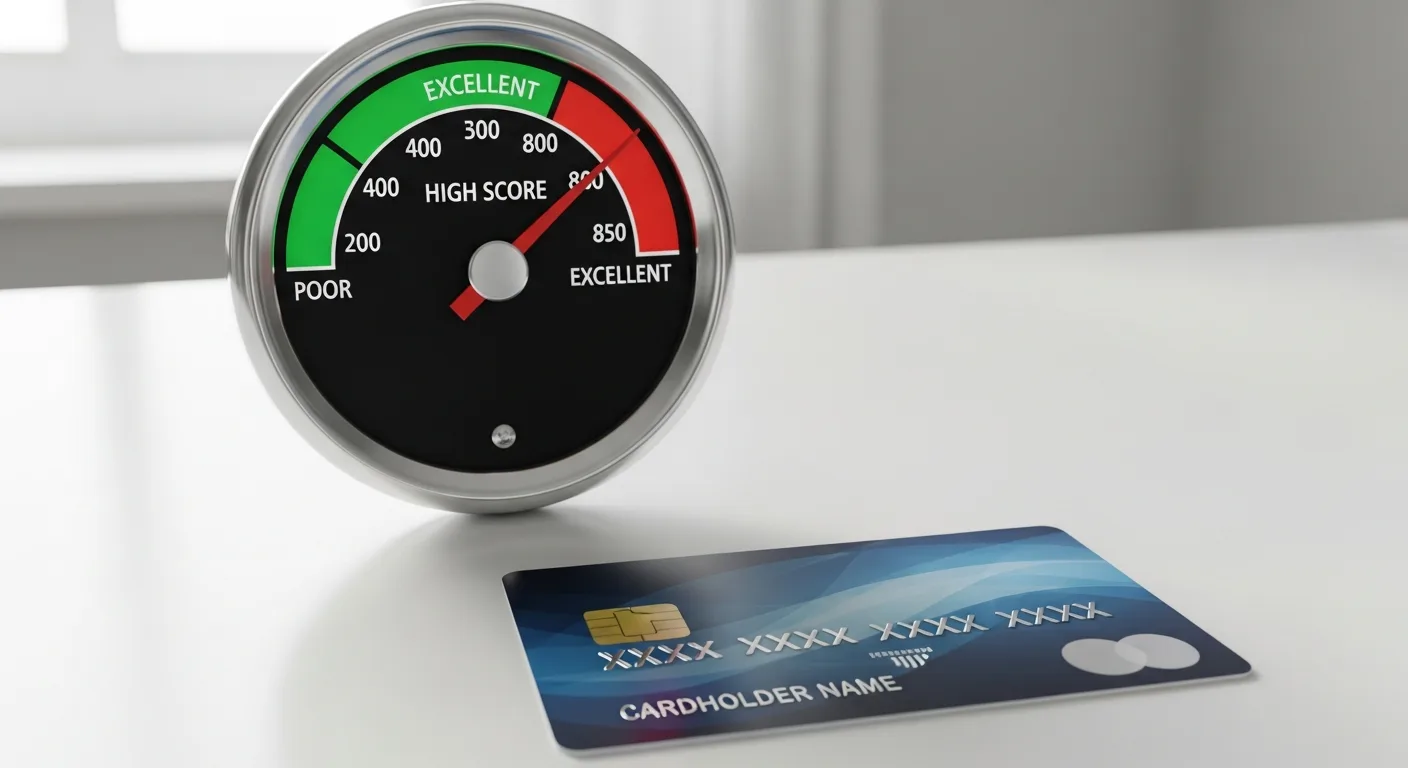
Think of your credit score as a report card for how you handle borrowed money. It's a three-digit number between 300 and 850, and lenders check it every time you apply for a card, a car loan, or even an apartment. The higher your number, the more doors open — better rates, better card offers, and a lot less stress. Five factors drive your score, and two of them carry most of the weight:
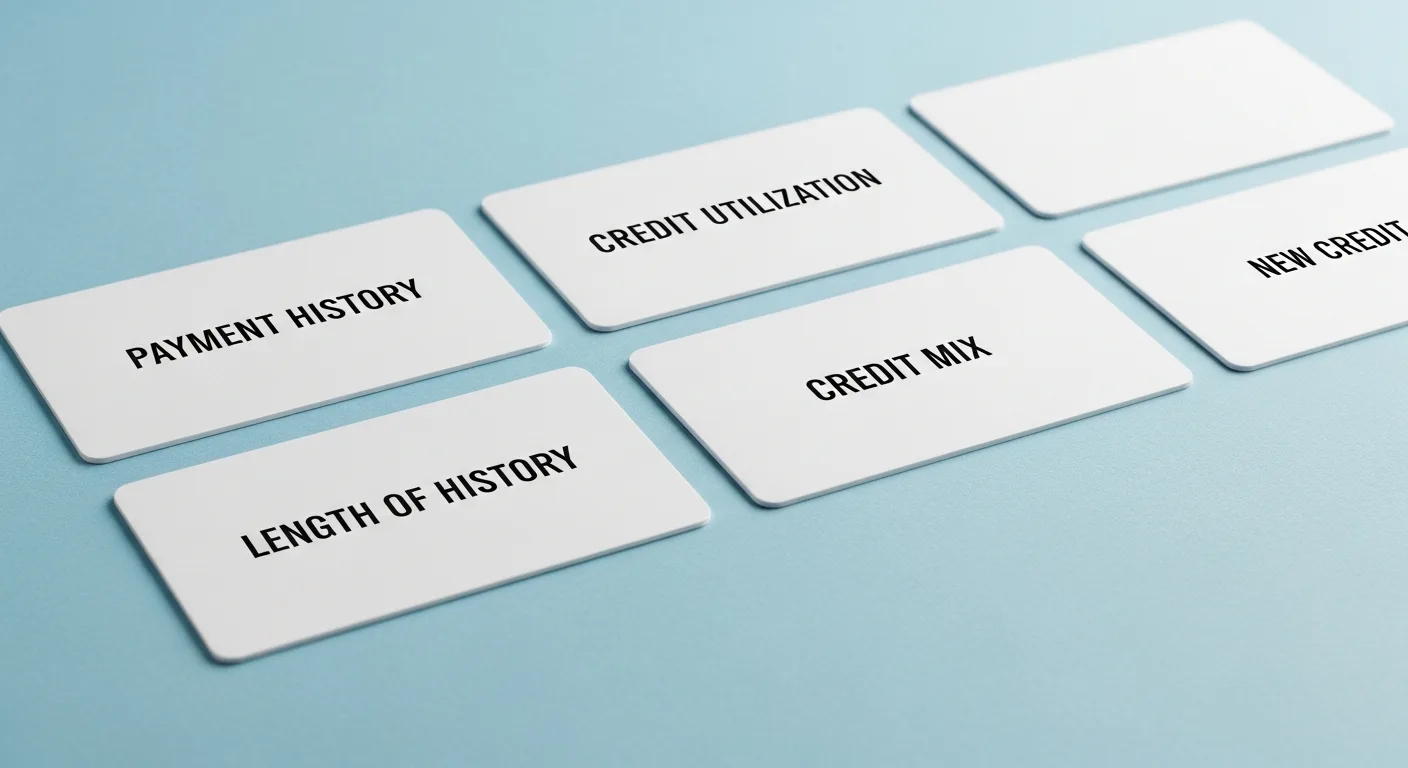
The five factors that make up your credit score, weighted by importance.
Starter Card Offers
Ready to start building? See top no annual fee starter cards available now.
Your Step-by-Step Action Plan
This is the part where it gets practical. Follow these steps in order -- don't skip ahead -- and you can realistically go from invisible to a 670+ score in about six to twelve months. I've seen people do it even faster when they're disciplined from day one.
Apply for a Starter Credit Card
Look for a secured credit card or a student card designed for people with no credit history. Secured cards require a refundable deposit (usually $200-$500) that becomes your credit limit. They report to all three credit bureaus, which is what builds your score.
Make Small, Regular Purchases
Use your card for one or two small recurring expenses -- like a streaming subscription or a monthly gas fill-up. This shows consistent, responsible usage without the temptation to overspend.
Pay the Full Balance Every Month
Set up autopay for the full statement balance. This guarantees on-time payments (the single biggest factor in your score) and avoids interest charges entirely.
Keep Utilization Below 30%
Credit utilization is the percentage of your available credit that you're using. If your limit is $500, try to keep your balance below $150 at all times. Lower is better -- under 10% is ideal.
Monitor Your Progress
Check your credit score monthly using a free service. Most card issuers now provide free FICO or VantageScore access. Watching your score rise is motivating and helps you catch any errors early.
Become an authorized user on a family member's card with a long, clean payment history. Their account's history gets added to your credit report, giving your score an instant boost.
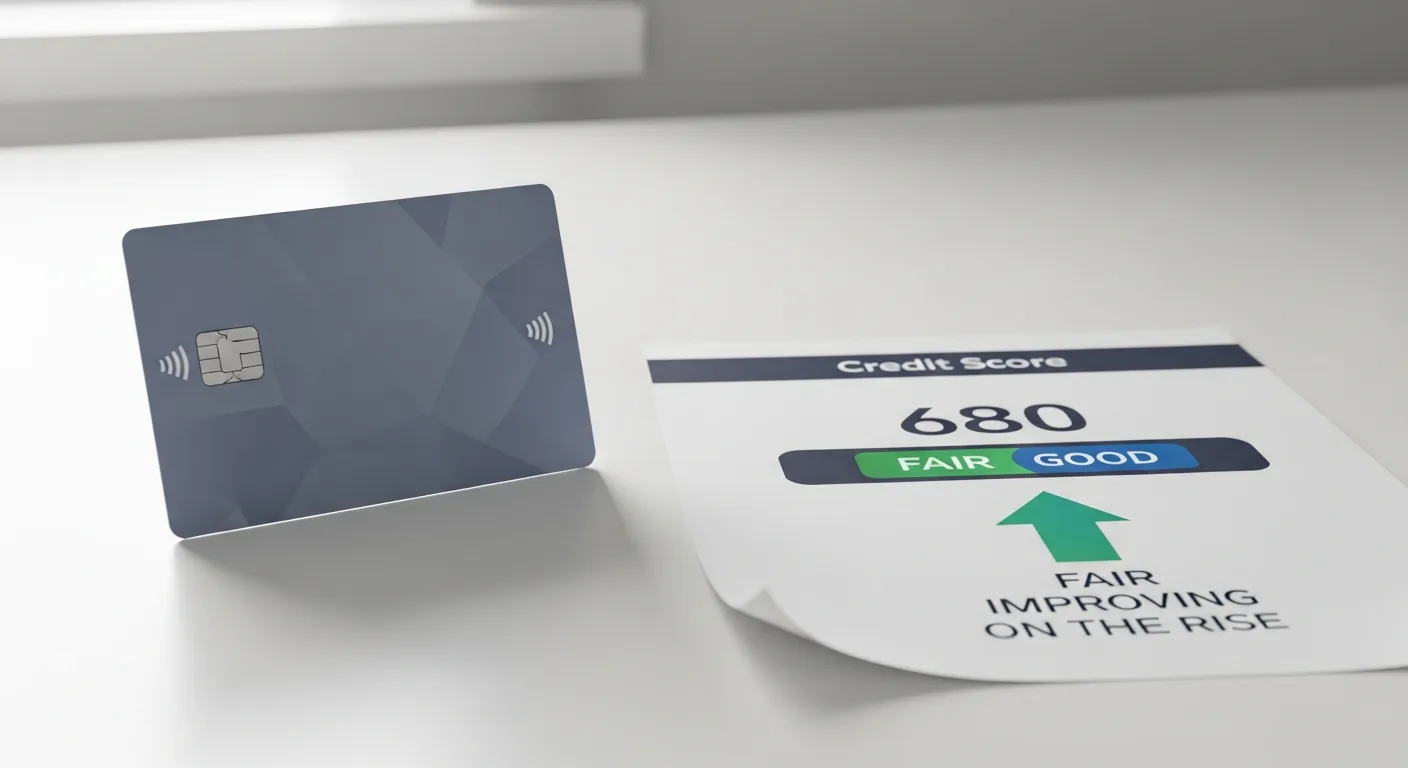
Once your score reaches 670 or higher, cards with real rewards are typically recommended for your range. Check out our guides on Flat-Rate vs. Category Cash Back: Which Earns More? and Is a Travel Credit Card Worth It If You Only Travel Once a Year? to plan your next card. If your score is in the fair range (580-669), you still have solid options — see our guide to Secured vs. Unsecured Cards for Fair Credit: Which Is Better? to find cards designed for exactly where you are right now.
What Mistakes Do Beginners Make with Credit?
- Applying for too many cards at once. Each application creates a hard inquiry on your report, which can temporarily lower your score. Space out applications by at least 3-6 months.
- Missing payments. Even one late payment can stay on your report for up to seven years. Set up autopay and calendar reminders.
- Maxing out your card. High utilization signals risk to lenders, even if you pay it off each month. The balance reported to bureaus is usually your statement balance, not your payoff.
- Closing your first card. The length of your credit history matters. Keep your first card open, even if you eventually upgrade to a better one.
When to Upgrade
Here's where things start to get exciting. After six to twelve months of paying on time and keeping your balances low, you'll probably notice card offers landing in your mailbox and your inbox. That's the system telling you it trusts you now. When you're ready, go ahead and apply for one upgraded card -- but whatever you do, keep your original starter card open. Even if it sits in a drawer, that account age is quietly working in your favor every single month.
If you're building credit with an eye toward starting a business or going freelance, it's worth thinking about your business credit profile early too. A strong personal score is the foundation most issuers look at when you apply for a business card. Our Can You Get a Business Credit Card Without an LLC? explains what you need to know when you're ready to take that step.
Compare Current Offers
See What Starter Cards Are Available Now
Browse top no annual fee cards for building credit and find one recommended for your credit range.
With responsible habits, you can build a good credit score within your first year.
Learn More About Top OffersFrequently Asked Questions
How long does it take to build credit from nothing?
What is a secured credit card and how does it work?
What credit utilization ratio should I maintain?
Does becoming an authorized user really help build credit?
Can you build credit without a credit card?
Does checking your credit score lower it?
The Bottom Line
Building credit isn't complicated, but it does take patience. Get a starter card, put a small recurring charge on it, pay the full balance every month, and let time work its magic. That's really all there is to it. Do this consistently for a year, and you'll have a score that opens doors you didn't even know were closed -- better financial products, lower borrowing costs, and a lot more flexibility in your everyday life.
If you ever carry a balance while building credit, your purchase grace period may not work the way it used to. Our guide on How Do You Get Your Credit Card Grace Period Back? explains how to reset after paying down debt.