Cash Back Credit Cards
Cash back cards pay you a percentage of what you spend, either a flat rate on everything or a higher rate in categories like groceries or gas. These guides help you match a card to how you actually spend.
How does cash back work?
Every time you buy something with a cash back card, you get a small percentage of the purchase back. The rewards add up on your account, and you can usually take them as a statement credit, a deposit to your bank account, or a gift card.
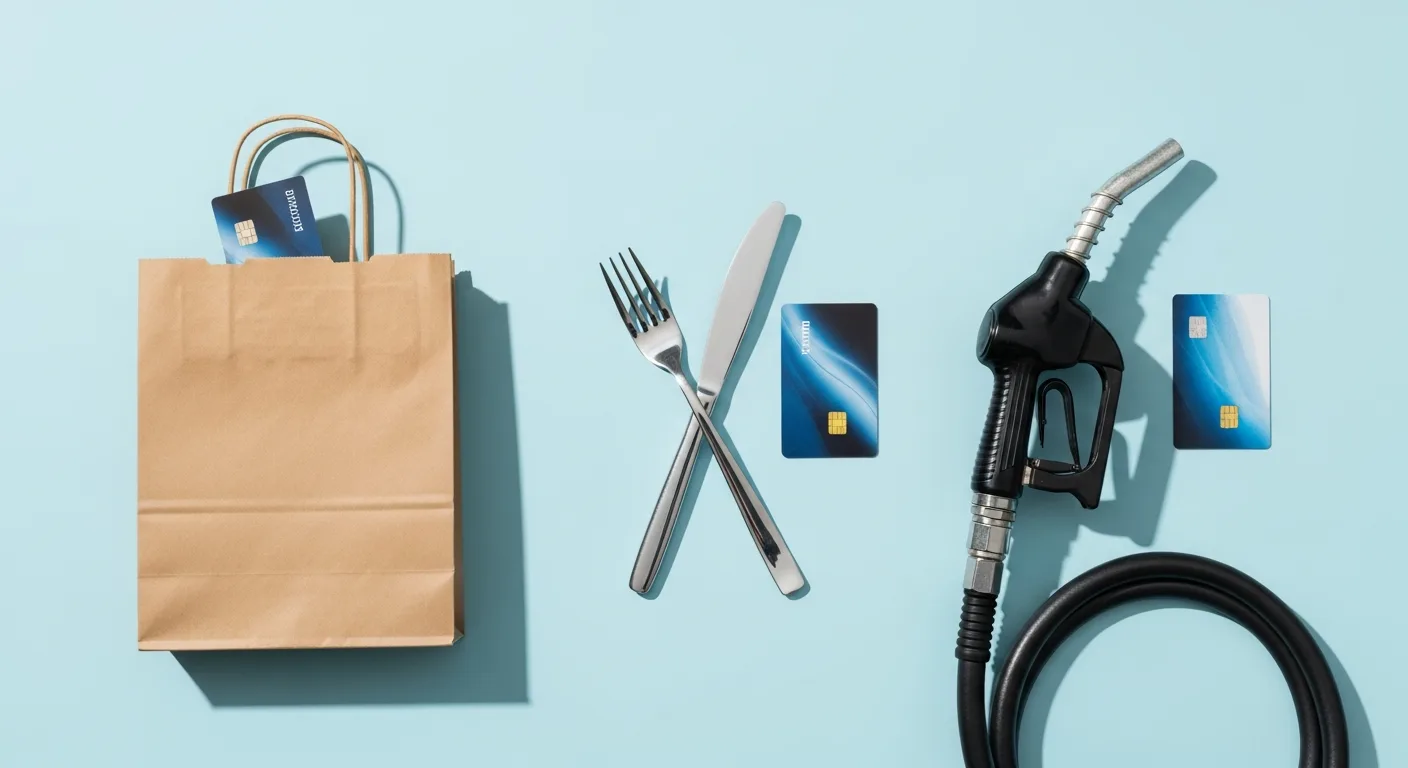
Cash back cards come in two main types. A flat-rate card pays the same percentage on everything you buy. A category card pays a higher rate in a few places, like groceries, gas or dining, and a lower rate on everything else. Some category cards change their bonus categories every few months and ask you to sign up each time.
Which type of cash back card fits you?
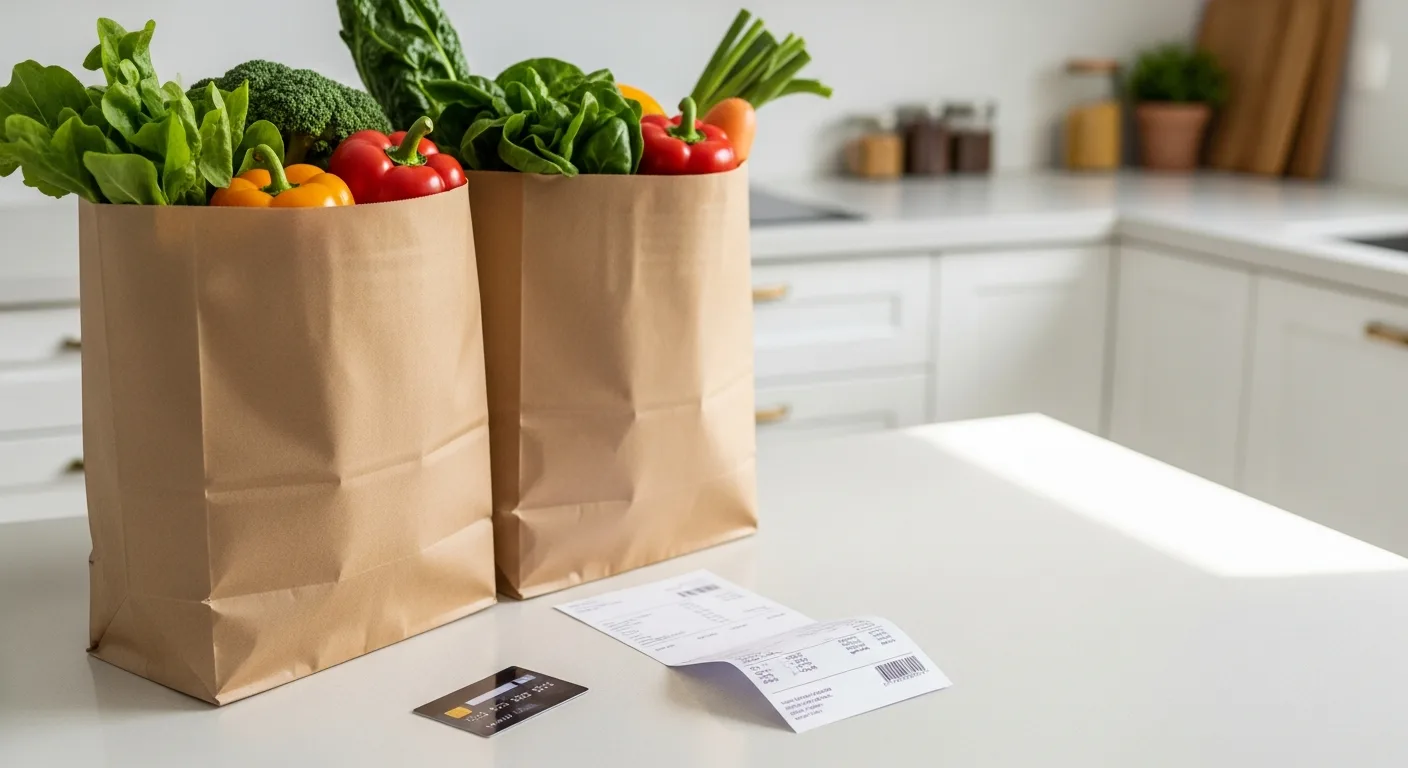
It comes down to where your money goes. Say your family spends $600 a month at the grocery store. That's $7,200 a year. A card that pays 3% on groceries would give you $216 back, while a flat 2% card would give you $144 on the same spending. The grocery card comes out $72 ahead.
If your spending is spread across lots of different places, a flat-rate card is often the better pick, because every purchase earns the same rate and there's nothing to track. Many people end up with one of each: a category card for their biggest expense and a flat-rate card for everything else.
Ready to compare? See top cash back card offers from our partner.
Learn MoreWhat should you watch out for?
Interest is the big one. Cash back cards earn a few percent, but carrying a balance costs you interest at the card's regular APR, which is far more than you earn back. Cash back only pays off if you pay your statement balance in full every month.
Also check the fine print on bonus categories. Some cards cap how much spending earns the higher rate each year, and some only count purchases at certain kinds of stores. And if a card charges an annual fee, the extra rewards need to be worth more than the fee for how you actually spend.
How do you pick the right one?
Pull up your last two or three statements and add up your biggest spending categories. If one category, like groceries or gas, makes up a big share, look at a card that pays more there. If nothing stands out, a flat-rate card keeps things simple.
Then pick the card that pays the most on the spending you already do, not on spending you'd have to add. The guides below walk through specific situations, from heavy grocery spending to streaming services and warehouse clubs.
Start here
Flat-Rate vs. Category Cash Back: Which Earns More?
Flat-rate or category cash back — which earns more for your spending? If groceries are your biggest expense, the answer might surprise you. Here's the math.
Read the guide →All Cash Back guides (30)