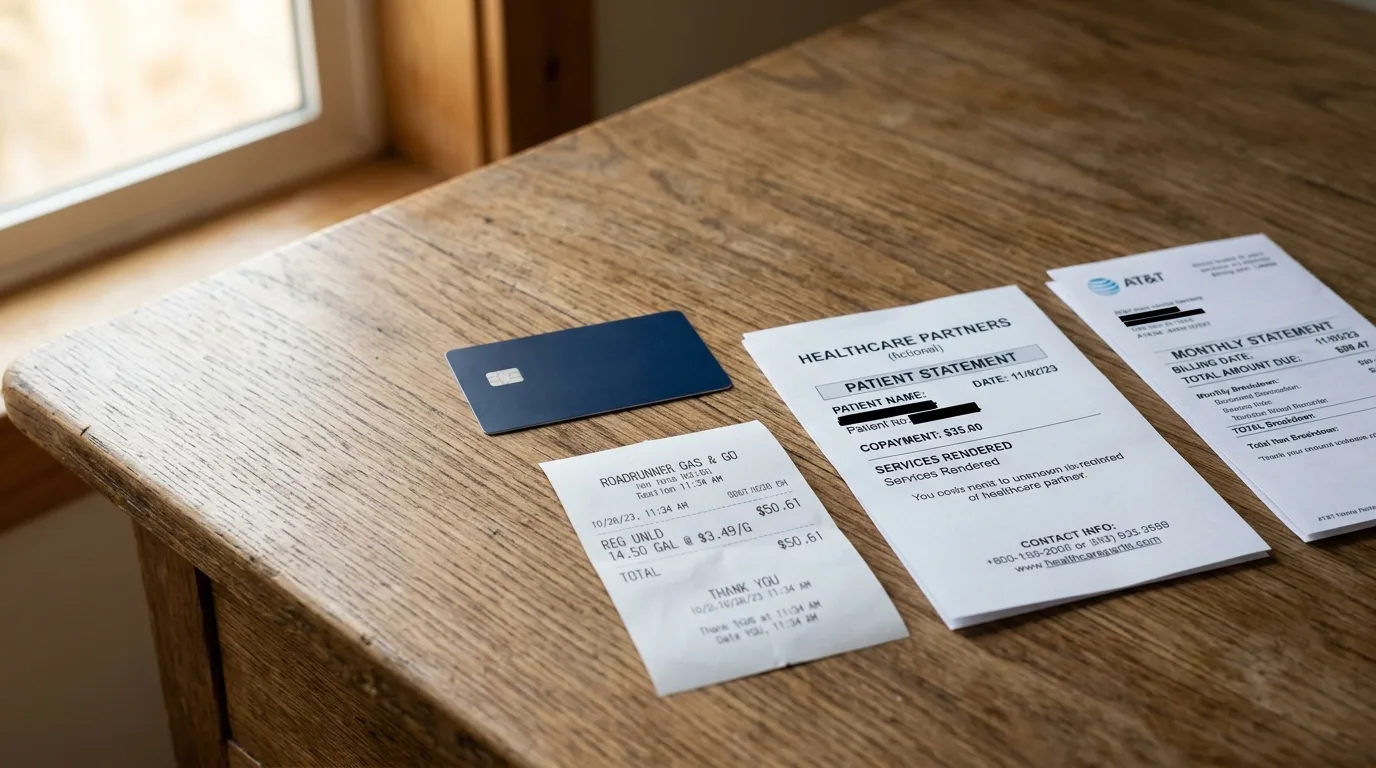
Yes. You don't need a special store or rewards card for gas, phone bills, and medical copays; a no-fee unsecured or secured card recommended for no credit history can work. Use it consistently for predictable bills and pay the statement balance in full each month. The card brand matters less than choosing one you can keep open and manage responsibly while building a credit history.
Key Takeaways
- A specific card name matters less than choosing one built for no credit history and using it for the same recurring bills every month.
- Credit cards limit fraud liability to $50 in most cases, and often $0 if only the account number is stolen — a real upgrade from debit.[4]
- The FDIC says at least one active tradeline in the previous six months is generally needed for a nationwide credit reporting agency to generate a credit score, so pick a card you'll keep open for years, not months.[2]
Do you need a special "gas and phone bill" card?
No. This is the myth worth busting first: there's no meaningful category of card built specifically for gas, phone bills, and medical copays. Those are just small, predictable, recurring charges — exactly the kind of spending any basic no-fee card handles fine. Compare current offers for building credit.
What actually matters when you have no credit score is different: does the issuer even consider applicants with no credit file, and will the card still exist and report normally five years from now? Chasing a card because it has a gas rewards category is putting the cart before the horse when your real goal is establishing a credit history.[1]
Picture this running example: gas fill-ups, a phone bill, and an occasional medical copay are predictable charges that can be tracked and paid in full. That makes them useful for building responsible payment habits without encouraging unnecessary spending.
Already know what you want? No credit file yet, small predictable bills, and a bad debit-card fraud experience — here's the framework, not just a name.
Learn MoreWhat should you actually look for with no credit score?
Look for cards explicitly recommended for no credit history or building credit—often labeled starter cards, student cards, or secured cards. Avoid applying for a card whose stated credit requirements don't match your situation; comparing current offers first can help you avoid unnecessary hard inquiries.
A secured card, where you put down a refundable deposit that becomes your credit limit, can be an entry point if unsecured starter cards aren't available to you. It may report to the bureaus like other cards; the deposit is how the issuer manages risk while you have limited credit history.
No annual fee is an important feature for a starter card. There's no reason to pay a fee to build credit when you're using the card for predictable spending. Also check whether the issuer reports to all three major credit bureaus—some products report to fewer, which can limit the credit history you're trying to build.
- No annual fee — you're building history, not chasing rewards yet
- Explicitly marketed for no credit history or as a starter/secured card
- Reports to all three major credit bureaus
- Secured cards should refund your deposit or auto-upgrade to unsecured after responsible use
The FDIC says at least one active tradeline in the previous six months is generally needed for a nationwide credit reporting agency to generate a credit score.[2] Applying for a second card too early may not speed this up and can add another hard inquiry to a thin file.
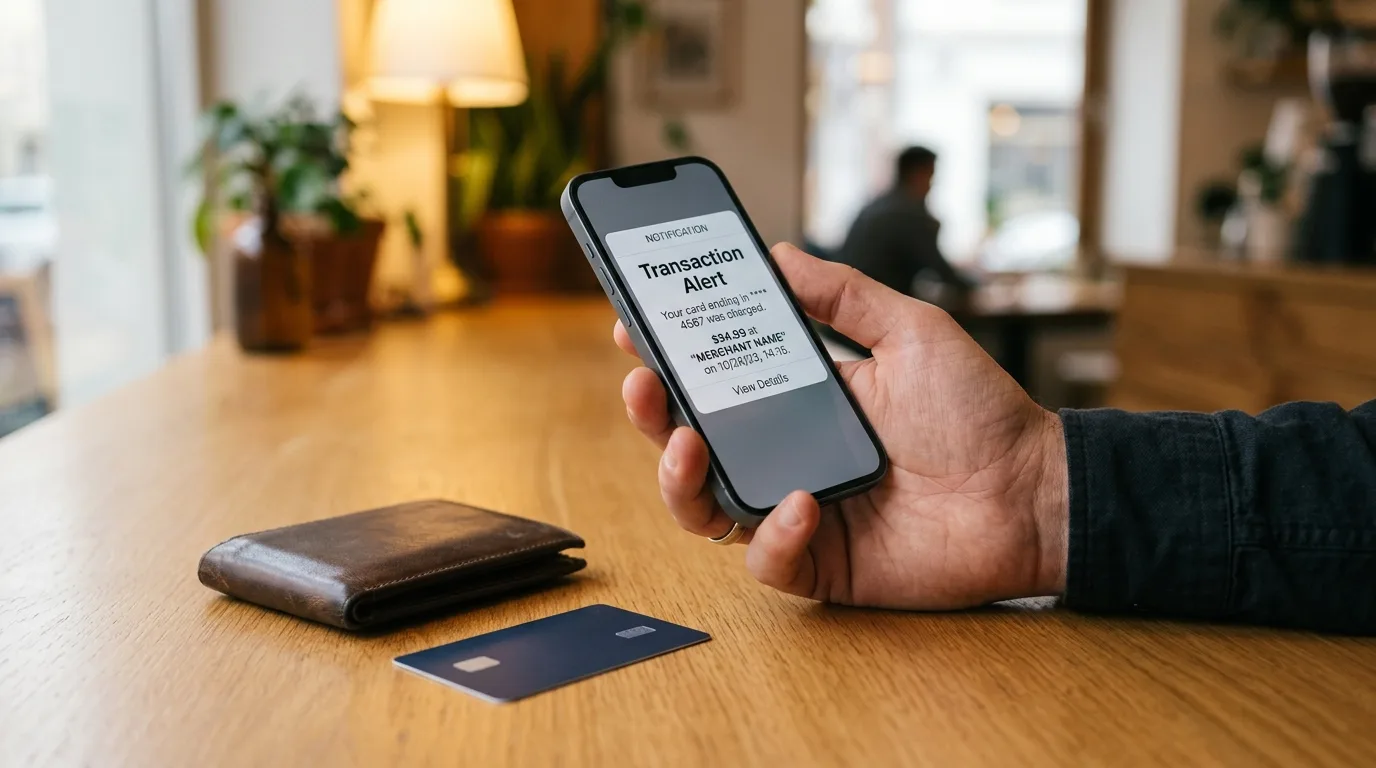
Weekly alert checks take seconds when you only have a few recurring charges to track.
Why does credit beat debit for fraud protection here?
You mentioned prior debit-card problems, and that's worth taking seriously—the data backs up your instinct. In the Atlanta Fed's 2024 payment survey, 10% of credit-card adopters and 8% of debit-card adopters reported card theft or fraud; consumers ranked credit cards as the most secure payment instrument.[3] The reason isn't that credit cards get stolen less often—it's what happens after.
With debit fraud, money can leave your actual bank account first, potentially affecting your access to funds while the bank investigates. With a credit card, the charge is generally disputed through the card account instead of immediately reducing your bank balance, though you should report suspected fraud promptly and follow the issuer's instructions.
Under federal rules, unauthorized credit-card use generally limits the cardholder's liability to $50, and a cardholder generally has no liability when only the account number—not the physical card—is stolen.[4] For someone who's already had a bad debit experience, that can be a meaningful reason to consider a credit card, apart from any rewards.
Practical habit: turn on transaction alerts and check them weekly against your gas, phone, and copay charges. With only three or four recurring charges a month, spotting something that doesn't belong takes seconds.
No Annual Fee Offers
Ready to see cards built for a first-time credit file?
How should you actually use the card month to month?
Run predictable gas, phone, and copay charges through the card, then pay the full statement balance every month—not just the minimum. Carrying a balance can make credit cards expensive, and it does not provide an extra scoring benefit; on-time payments and manageable utilization matter more than interest paid.
Utilization—the share of your limit you're using—is worth watching. If recurring charges use a large portion of your available limit when the balance is reported, paying down the balance before the statement closing date, not just the due date, can keep reported utilization lower.
Set up autopay for at least the minimum as a safety net, then manually pay in full whenever you can. Missed payments are the fastest way to damage a credit file that's just getting started, and they stay on your report for years.
What happens after you have a score?
Once this card has reported for a period of time and you have an actual score, you may have more options, including cash-back cards that reward gas and phone spending directly. But don't close the starter card the moment you consider another card. Keeping it open may preserve account age and available credit, depending on how the issuer and scoring model treat the account.
In 2023, 15.7% of U.S. households had no access to mainstream credit; the FDIC says these households likely did not have a credit score, which can make obtaining mainstream credit more difficult.[1] The path forward can be a modest card, real recurring bills, and full payments over time.
Compare Current Offers
Start your credit file the safer way
Compare no-fee cards designed for no credit history and see which one fits recurring bills like yours.

A secured card's deposit isn't a fee—it's a refundable stand-in for a credit history you haven't built yet.
Learn More About Top OffersFrequently Asked Questions
What kind of card should a first-timer with no credit score get?
Is a credit card really safer than debit for these bills?
How long should I keep this first card before switching to a rewards card?
Should I get a secured or unsecured starter card?
Will putting gas, phone, and copays on one card actually build my score?
How much of my limit should I use each month?
Is it risky that 15.7% of households have no access to mainstream credit?
The Bottom Line
For your situation, the specific card brand matters far less than three things: no annual fee, explicit suitability for no credit history, and reporting to all three bureaus. Run your gas, phone, and copay spending through it, pay it off in full, and give the account time to establish a payment history.[2]
The fraud protection can be a strong reason to consider moving some bills off debit—a generally $50 liability limit, with no liability in some account-number-only theft cases, may be preferable to waiting for access to bank funds to be restored.[4] Keep the card manageable, keep it open while it remains useful, and review its terms over time.