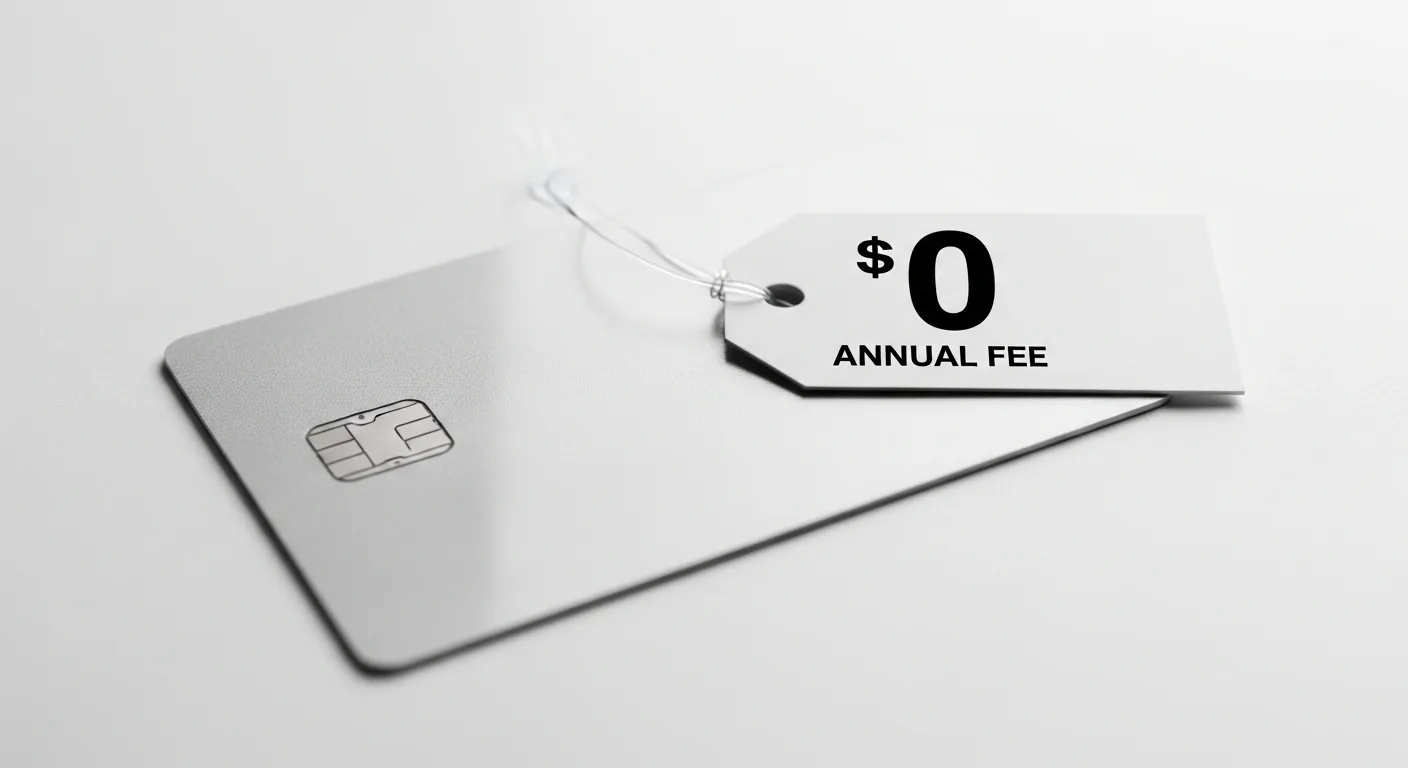
Yes — a no annual fee card makes a lot of sense for most stay-at-home parents, and the reason is simple: it can turn everyday household spending into rewards without adding a fee. Household grocery spending alone can be substantial, so even a modest rewards rate on a no-fee card can add up over time. The main nuance is whether your existing paid-off card already covers some of that ground, and whether it makes sense to keep it open while you add something new.
Key Takeaways
- no annual fee card costs nothing to hold, so any rewards you earn are upside.
- As the household's primary shopper, your recurring grocery and everyday spend often lines up well with category cash-back cards that have no annual fee.
- Keep your existing paid-off card open for credit history; add a no-fee rewards card on top rather than replacing the old one.
Why the Math Favors a No-Fee Card Right Now
When you're not drawing a paycheck, a fee-free card is especially smart because the break-even point is zero. A card with an annual fee has to earn back its cost before it comes out ahead. A no annual fee card starts rewarding you from dollar one. Compare current offers.
Run the numbers on a realistic grocery budget. U.S. consumer units spent an average of $6,224 on food at home in 2024.[1] A no-fee grocery rewards card can turn that spending into cash back without any annual fee to offset.
Compare that to a premium rewards card charging a hefty annual fee. You'd need to spend heavily across multiple bonus categories just to justify the cost — and if your spending is focused on groceries and household staples rather than travel and dining out, you're probably overpaying for benefits you're not using.
Annual-fee cards often advertise statement credits to soften the fee. But credits are only valuable if you'd spend that money anyway. A travel credit doesn't help if your travel plans are on pause. A no-fee card sidesteps the whole calculation.
Already know what you want? Groceries, household supplies, the occasional online order — that's real spending that deserves real rewards. A no annual fee card lets you earn on all of it without a fee eating into the gain.
Learn MoreWhat Should You Do With Your Existing Paid-Off Card?
Keep it open. Full stop. A paid-off card with no balance is a credit-score asset. It contributes to your credit history length — one of the factors that shapes your score — and it adds to your total available credit, keeping your utilization ratio (the percentage of your credit limit you're actually using) low.
The smartest move is a two-card setup: keep the old card active with one small recurring charge — a streaming subscription, a utility autopay — and pay it in full each month. Then add the new no-fee rewards card as your daily driver for groceries and household spending.
In 2024, 81% of U.S. adults had a credit card, but 46% of cardholders carried a balance at some point during the prior year.[2] The fact that your existing card is paid off puts you in a genuinely strong position. Don't disrupt that by closing an account unnecessarily.

Comparing reward structures before applying takes 15 minutes and could shape years of cash back.
Which Type of No-Fee Card Fits a Stay-at-Home Parent?
There are two main flavors: flat-rate cards that pay the same percentage on everything, and category cards that pay elevated rates on specific spending types like groceries, gas, or streaming. As the household's primary shopper, you may have a predictable spend pattern — and that often favors category cards.
Think about where your grocery budget actually lands. If most of it goes to one or two regular supermarket trips, a card with a high grocery bonus rate rewards your existing behavior without requiring you to change anything. You're not chasing a category — you're already in it.
Flat-rate cards shine when your spending is genuinely scattered or unpredictable. If you're buying groceries one week, home-improvement supplies the next, and kids' clothing after that with no dominant category, a consistent 1.5–2% on everything keeps life simple. The right choice depends on whether your spending has a clear center of gravity or not.
Cash back is the most practical reward type for this situation. Points and miles programs are designed around travel redemption, and many cardholders prefer cash back because it can be simpler and may come with lower or no annual fees.[4] Cash back hits your statement or account directly — no transfer partners, no blackout dates, no wondering if your points are worth anything.
- Heavy grocery spender: look for a no-fee card with a boosted grocery category rate
- Scattered everyday spending: a flat-rate 1.5–2% card keeps things simple
- Occasional online shopping: some no-fee cards bonus popular retail categories
- Uncertain travel plans: prioritize a card with no foreign transaction fees as a baseline
No Annual Fee Offers
Ready to See What's Available Now?
| Spending Pattern | Better Fit | Why |
|---|---|---|
| Mostly groceries and household staples | Category no-fee card | Elevated grocery rate rewards your dominant spend |
| Scattered across many categories | Flat-rate no-fee card | Consistent rate beats lower category bonuses on non-grocery spend |
| Uncertain or occasional travel | No-fee card with no foreign transaction fee | Covers travel basics without committing to an annual fee |
| Heavy travel + dining + multiple categories | Premium annual-fee card | Only makes sense if rewards net more than the fee after all categories |
What About Travel? Do No-Fee Cards Cover That?
More than people realize. The assumption that no annual fee means no travel benefits is outdated. Many no-fee cards now include no foreign transaction fees, basic trip-delay protections, and primary or secondary rental car coverage — without charging you anything to hold the card.
Here's the smarter framing for uncertain travel plans: a no-fee card is a low-risk placeholder. If your family ends up traveling twice this year, you're covered for the basics. If you don't travel at all, you lose nothing. A premium travel card charging a significant annual fee demands that you travel enough to justify it — and if life as a stay-at-home parent means your plans shift, you're stuck paying for benefits you didn't use.
Only 27% of large issuers' card products carried an annual fee in a recent CFPB analysis, compared with 9.5% of small issuers' products.[3] That means the no-fee market is wide, and there's genuine competition to include meaningful perks on fee-free cards. You're not settling for a bare-bones product — you're choosing from a large field of solid options.
One non-obvious angle: if travel eventually becomes a bigger priority, you can add a dedicated travel card at that point without closing the no-fee card. Your no-fee card stays open, maintaining your credit history, while the travel card handles flights and hotels. That's a cleaner strategy than betting on travel now and paying a fee in the meantime.
No foreign transaction fee is the single most valuable travel feature on a no-fee card. It means purchases abroad aren't hit with a surcharge — typically 2–3% per transaction — which adds up fast even on a short trip.
How to Evaluate Offers Before You Apply
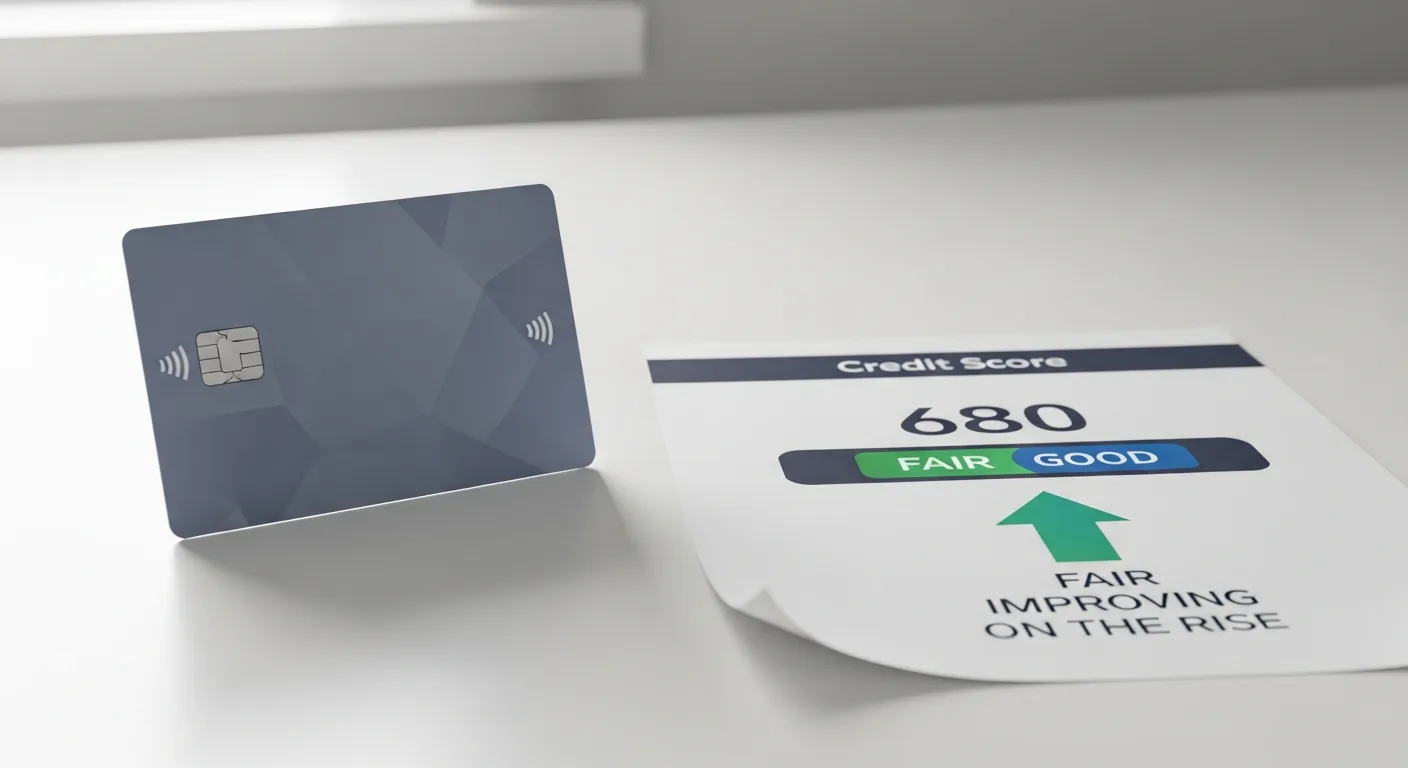
No-fee cards recommended for good to excellent credit tend to offer the strongest reward rates and the most useful perks. If your existing paid-off card has helped you build a solid history, a card in that range may be worth comparing — check your score before you compare current offers so you know where you stand.
Focus your comparison on three things: the rewards structure (does it match where you actually spend?), the sign-up bonus requirements (can you meet the minimum spend naturally, without manufactured spending?), and the benefits that matter to your life right now — not the ones that would matter if your life looked different.
One thing to watch: some cards offer elevated rewards only at specific merchants or through a card issuer's own portal. If you shop across multiple grocery chains or prefer flexibility, confirm the bonus applies broadly rather than at one designated retailer.
- Rewards rate on groceries and everyday categories
- Sign-up bonus minimum spend — can you hit it naturally in 3 months?
- No foreign transaction fee if travel is even a remote possibility
- Any useful protections: purchase protection, extended warranty, rental car coverage
- Redemption flexibility — cash back to statement, bank account, or check
Is There Ever a Reason to Choose an Annual-Fee Card Instead?
Rarely, in this situation — but here's when it could make sense. If a specific annual-fee card offers a grocery or household category bonus so high that it outpaces anything in the no-fee market by a large margin, and you spend enough in that category to cover the fee and then some, the math could tip in favor of paying the fee.
Run the specific numbers: (annual-fee card rewards on your actual spend) minus (annual fee) versus (no-fee card rewards on your same spend). If the difference is meaningful, the fee card wins. But for most stay-at-home parents with focused, moderate household spend rather than massive monthly grocery bills, a well-chosen no-fee card closes that gap.
The psychological cost is real too. An annual fee creates a mental obligation to spend enough to justify the card. A no-fee card removes that pressure entirely. You can use it exactly as much or as little as your household needs without feeling like you're wasting money.
Compare Current Offers
Find a No-Fee Card That Fits Your Household
Your grocery runs and everyday errands deserve to earn something. Check out top no annual fee cash back cards available now and find one that matches how your household actually spends.
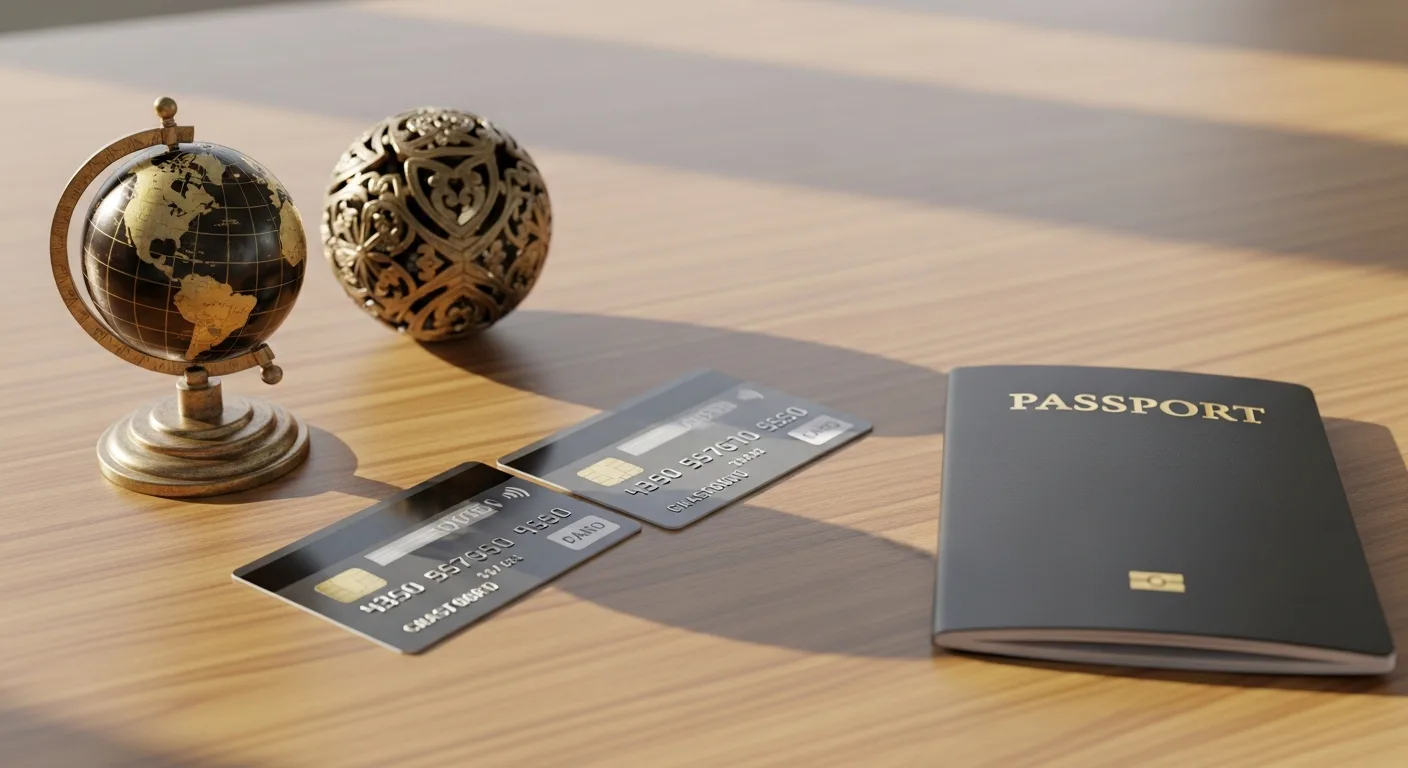
A no-fee card with no foreign transaction fees keeps future travel options open at zero ongoing cost.
Learn More About Top OffersFrequently Asked Questions
Is a no annual fee card worth it for a stay-at-home parent?
Should I close my old card when I get a new no-fee card?
What if I might travel again someday — will a no-fee card still work?
Can I apply for a card if I'm not currently earning income?
Flat-rate or category cash back — which is better for a stay-at-home parent?
How many no-fee cards should I have?
Will getting a new card hurt my credit score?
The Bottom Line
For a stay-at-home parent who's the household's primary shopper, a no annual fee card is a straightforward win. You're already spending on groceries and everyday essentials — a no-fee rewards card turns that existing behavior into cash back without adding any cost to hold it. The break-even point is zero, which means every reward you earn is net positive.
Keep your paid-off card open, add a no-fee card that matches your grocery and household spend, and don't over-engineer for travel until your plans are actually clearer. If and when travel becomes a real priority, you can layer in a dedicated travel card without disrupting what you've already built. Simple, practical, and no dollars wasted on fees you don't need.