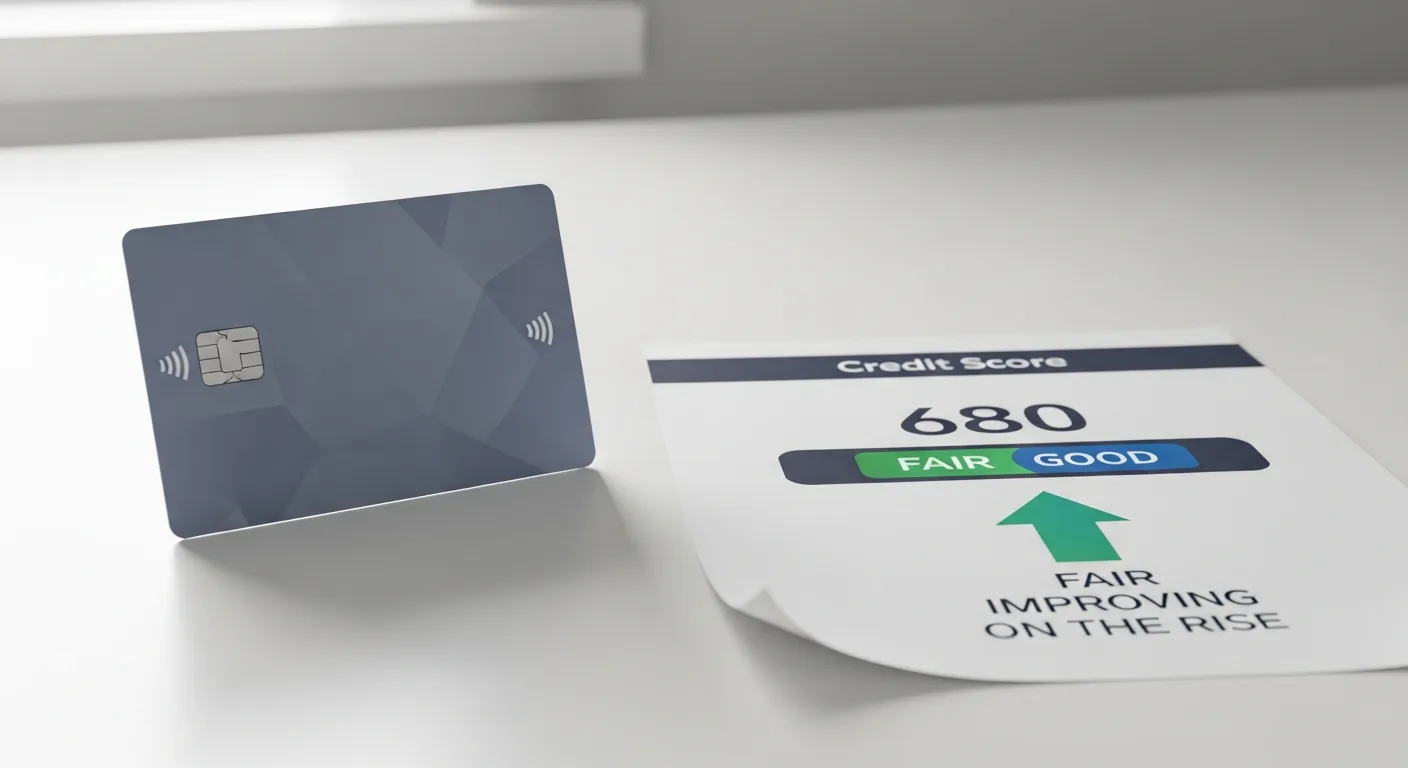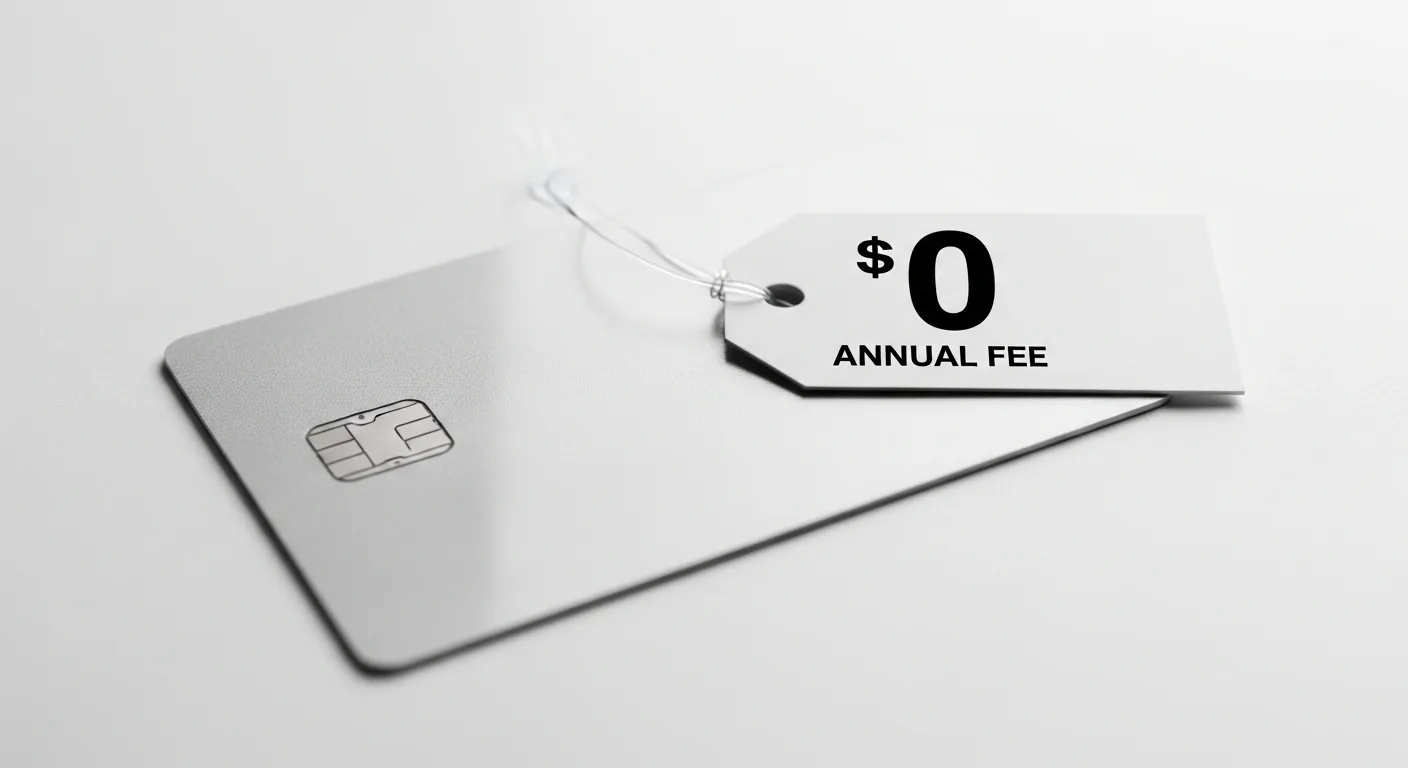
The best starter card after divorce is usually a no annual fee card, either secured or unsecured, that you use for one small bill and pay in full every month. That's because a score is built by on-time payments and low balances, not by fancy rewards or fees. If the joint accounts are gone and your credit report looks blank, you're not starting from behind. You're starting with a clean page, and a starter card is the simplest way to fill it.
Key Takeaways
- A starter card is a card meant for people with little or no credit history, and a no annual fee version costs nothing to keep for years.
- Secured cards use a refundable deposit as your limit, while unsecured starter cards skip the deposit. Either can build a score if you pay on time and keep balances low.
- Keep one card, one small recurring charge, and autopay on. Don't close old joint accounts until your own card is open and reporting.
What Is a Starter Credit Card, and Do You Need One After Divorce?
A starter credit card is just a first card for someone with little or no credit history. It usually has a lower limit and simpler features than a rewards card, because its main job is to get your payments reported to the credit bureaus. Compare current no annual fee starter cards.
If your ex handled most of the credit during the marriage, or the joint accounts closed with the divorce, your own file may be thin or empty. Credit experts call this a thin file or no file. It's different from bad credit. You have no late payments or collections to repair, just no history yet.
That's why a starter card fits so well here. You don't need to undo anything. You only need to add a few months of on-time payments in your own name.
Shared accounts are less common than they used to be, too. The average number of joint credit accounts per couple fell from 1.47 in 2014 to 1.20 in 2023.[1] So if your file is thinner than you expected, you're far from the only one.
Already know what you want? Starting your credit file from scratch after divorce? Here's how to pick a starter card and build a score without paying an annual fee.
Learn MoreSecured or Unsecured: Which Starter Card Should You Get?
A secured card asks for a deposit, often a few hundred dollars, and that deposit becomes your credit limit. You use the card like any other, and the issuer reports your payments. When you close the card or move up to a regular one in good standing, the deposit is typically returned.
An unsecured starter card has no deposit. Some issuers will consider people with little history by looking at income and other details, though they decide case by case. Choose one recommended for your credit range and with no annual fee, and it builds your file exactly the same way.
Secured cards are built for people in your spot. More than two-thirds of secured-card recipients in 2021 had very low credit scores or no credit score, compared with 7% of unsecured-card recipients.[2]
My straight recommendation: try an unsecured no annual fee starter card first if you'd rather skip the deposit. If it doesn't work out, a secured card is a perfectly good plan B. The card type matters less than how you use it.
A secured card deposit is refundable when the account is closed or upgraded in good standing. Think of it as money parked while it helps you build a score.

Putting one small recurring bill on your card is enough to start building payment history.
Why No Annual Fee Is the Right Call Right Now
Cards with annual fees can offer travel perks and richer rewards, but they only make sense when the perks clearly beat the fee. After a divorce, your income and spending may be changing. A fee on a card you barely use is just a drag.
A no annual fee card builds your score just as well as one that charges a fee. Your score responds to on-time payments and how much of your limit you use, not to what the card costs.
It also lets you keep the card for years. Your first card will eventually be your oldest account, and a longer history helps your score. If you had to close it to avoid a fee, you'd lose that benefit.
If you want a simple rule: during a rebuild, don't pay for the privilege of building credit. Add rewards later, once your habits and budget are steady.
No Annual Fee Offers
Ready to Pick Your Starter Card?
How Do You Use a Starter Card to Build Credit?
The method is almost boring. Put one small recurring bill on the card, pay the full statement balance every month, and leave the rest of the limit alone.
Here's an example with real numbers. Say you open a card with a $300 limit and put a $30 streaming subscription on it. You pay the $30 when the statement arrives. You use 10% of your limit, well under the common guideline of keeping utilization below 30%, and you never pay interest.
Set autopay for the full statement balance on day one. A missed payment is the biggest setback for a new file, and autopay removes that risk.
You don't need to carry a balance to build credit. That's a myth. Carrying one only costs you interest.
One timing note: issuers often report your balance around the statement closing date, not the due date. If you want your reported balance to look low, pay it down before the statement closes.
- Use the card for one or two small, regular bills
- Pay the full statement balance every month
- Keep your balance under 30% of your limit, lower if you can
- Turn on autopay so you never miss a due date
What Should You Do With Old Joint Accounts?
Don't rush to close joint cards before your own card is open. Closing an account can shrink your total available credit, which can push your utilization up. Open your starter card first, let it report for a billing cycle or two, then work out how to close or separate the joint accounts.
Remember that a joint account is shared liability. If your ex misses a payment on an account that still has your name on it, it can show up on your report. Check your credit reports and make sure each shared account is either closed to new charges or moved to one name.
If you're not sure what's on your file, you can review your reports for free before you apply for anything.
What Comes After Your Starter Card?
After several months of clean payments, you can look at stronger no annual fee cards, such as a flat-rate cash back card. If your budget is still shifting after the divorce, flat-rate is the simplest option because it earns the same on every purchase.
Many of these cards are recommended for good to excellent credit, so patience helps. Keep the first card open, since it anchors your account age. A small charge every few months can keep the issuer from closing it for inactivity.
One card is enough at first. Add another only when you have the time to track a second due date and your spending has settled.
If a secured card is your route, check whether the issuer reviews accounts for an upgrade to an unsecured card. That would let you move up without opening a brand-new account.
Compare Current Offers
Start Your Credit File the Simple Way
A no annual fee starter card costs nothing to hold and gets your credit history started. Check out top offers available now.

Reviewing your credit reports after a divorce shows which accounts are still tied to your name.
Learn More About Top OffersFrequently Asked Questions
What is a starter credit card?
What card should I get after divorce if I have no credit?
How long does it take to build credit after divorce?
Should I close our joint credit cards after the divorce?
Does carrying a balance help build credit faster?
Is a secured card worth it if I'm starting from zero?
Will applying for a card hurt my score if I have none?
The Bottom Line
After divorce, the best first card is a no annual fee starter card you'll use well. Choose an unsecured card recommended for your credit range, or a secured card if you need the deposit route, and run one small bill through it every month.
Pay the full balance, keep your utilization low, and leave the card open. Over time you'll have a real credit file in your own name. Check out top offers available now when you're ready to compare.