The math here is blunt: most mainstream rewards cards are recommended for good to excellent credit, which usually means a FICO score of 670 or higher. If you've just arrived in the U.S., you likely have no FICO score at all — not a bad one, simply no score — and that alone is often enough to get a mainstream application declined. The smarter move is usually to spend six to twelve months with a starter card first, build a thin-but-real U.S. credit file, then apply for the card you actually want with a real score behind you.
Key Takeaways
- Mainstream rewards cards are recommended for good to excellent credit — a profile most new immigrants don't yet have, not because of bad behavior, but simply because U.S. credit history takes time to build.
- A secured card or a card designed for newcomers can establish a scoreable credit file in as little as six months, which then opens the door to no annual fee rewards cards.
- Credit cards are the most common first credit product for new-to-credit consumers, so choosing the right first card matters more than rushing to a flagship rewards card too soon.
Why mainstream cards are hard to get with no U.S. credit history
The CFPB estimated that 2.7% of U.S. adults were credit invisible in December 2020, and 9.8% had an unscored credit record.[1] 'Credit invisible' means the credit bureaus have no file on you at all. 'Unscored' means there's a file, but not enough data to generate a number. Both outcomes look the same to an issuer reviewing a mainstream card application: no score, no approval. Compare starter cards for newcomers.
Around 30% of consumers entered the credit bureau data after age 30, and the Federal Reserve notes that late entry could reflect recent immigration to the United States and receipt of a Social Security number.[2] In other words, you're far from alone. But mainstream card issuers use automated scoring systems that can't distinguish between 'bad risk' and 'brand new to the U.S.' — they just see a blank file and may decline.
This isn't a permanent wall. It's a timing problem. The fix is straightforward: open an account that reports to all three major credit bureaus, use it responsibly for six to twelve months, and you'll have the kind of profile a mainstream card looks for.
Already know what you want? No U.S. credit score yet? Here's why the mainstream card you want is probably a step ahead — and how to close that gap.
Learn MoreThe real starting point: what 'building credit' actually means
Imagine you arrived six months ago and opened a secured card with a $500 deposit — that deposit becomes your credit limit. You use the card for one or two regular purchases a month, keep your balance well under $150 (that's 30% utilization, meaning 30% of your $500 limit used — utilization is the share of your available credit you're actually using), and pay in full every month. Six months later, you have a FICO score. That's the whole game.
Credit cards are generally the first credit product opened by most new-to-credit borrowers in the U.S., and TransUnion found that 54% of new-to-credit consumers got a credit product from the very first institution where they applied.[4] That last number matters: your first application is your best shot, so applying to a card that suits your current profile — not one that's too far out of reach — is the highest-percentage move.
One non-obvious detail: the account age starts the day you open it. Every month you wait to open that starter card is a month you're delaying the clock. Opening a secured card today and waiting twelve months is almost always better than applying for a mainstream card today and getting declined, then opening a secured card anyway.
Each hard inquiry from a declined application can trim a few points off a score you don't yet have — and can signal to future issuers that you've been turned down. Applying to a card matched to your current credit profile avoids that friction entirely.

A secured card deposit is often the first step for newcomers building U.S. credit.
Which type of starter card actually fits a newcomer?
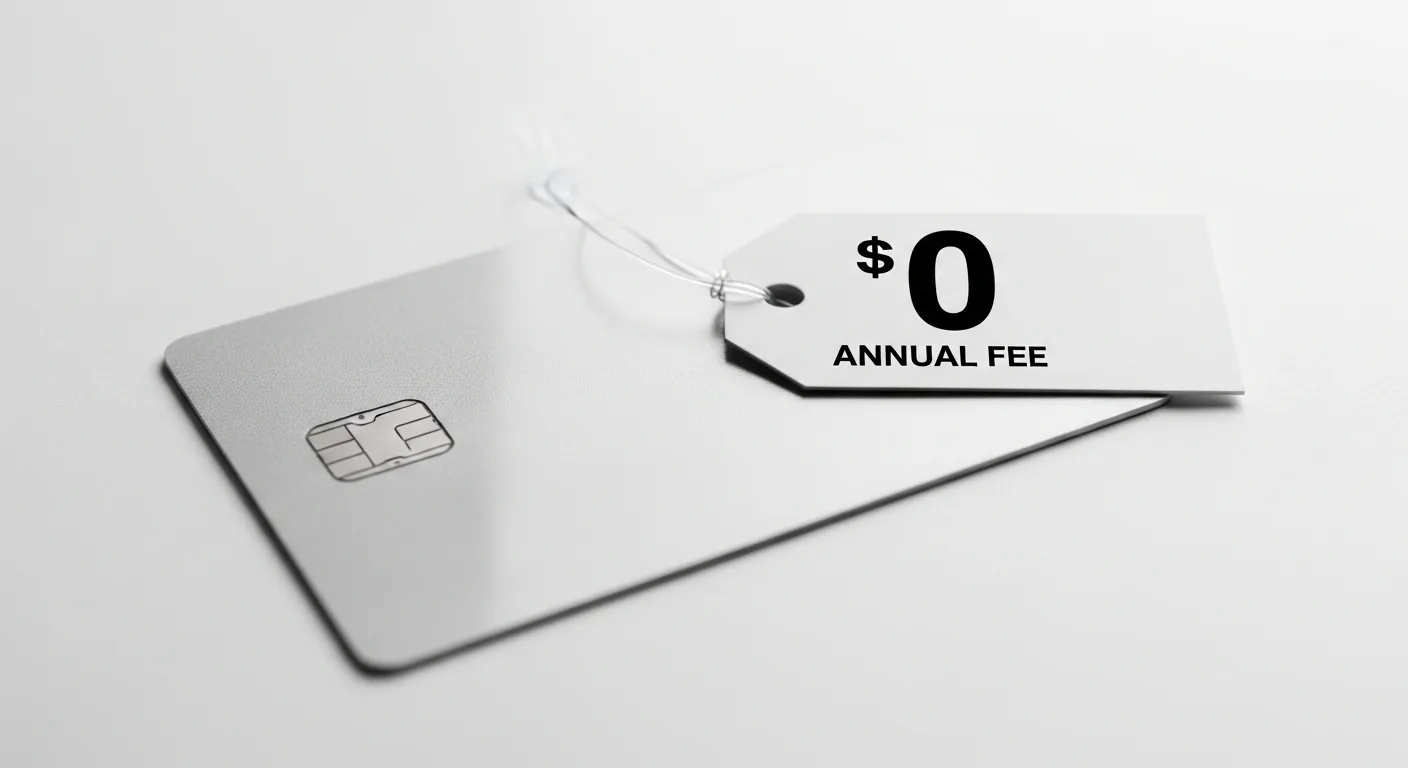
Two card types are commonly recommended for thin or no credit files: secured cards and cards specifically designed for newcomers or students. Both typically have no annual fee, or a very low one, and both report your payment history to the major bureaus — which is what builds your score.
A secured card requires an upfront deposit, usually equal to your credit limit. Think of the $500 example from before: you put $500 in, get a $500 limit, use it lightly, pay it off monthly. After several months of good behavior, many issuers will upgrade you to an unsecured card and return your deposit. Some cards designed specifically for immigrants and newcomers skip the deposit requirement and use alternative data — like bank account history or employment records — to evaluate your application instead of a U.S. credit score.
In 2023, foreign-born noncitizen households had a 16.1% unbanked rate, compared with 1.0% for U.S.-born households.[3] If you don't yet have a U.S. bank account, securing one first can help — both because it's required for most card applications and because it builds the financial footprint some newcomer-focused card issuers use to evaluate you.
- Secured cards: deposit-backed, widely available for no-credit profiles, most upgrade to unsecured after consistent use
- Newcomer/immigrant-focused cards: may use alternative data instead of a U.S. credit score, sometimes no deposit required
- Student cards: designed for thin files, often no annual fee — only relevant if you're enrolled in a U.S. college
- Authorized user status: being added to a trusted family member's or partner's card can help seed your file faster, though it shouldn't replace your own account
No Annual Fee Offers
Ready to find the right first card?
How long until you can realistically apply for a mainstream rewards card?
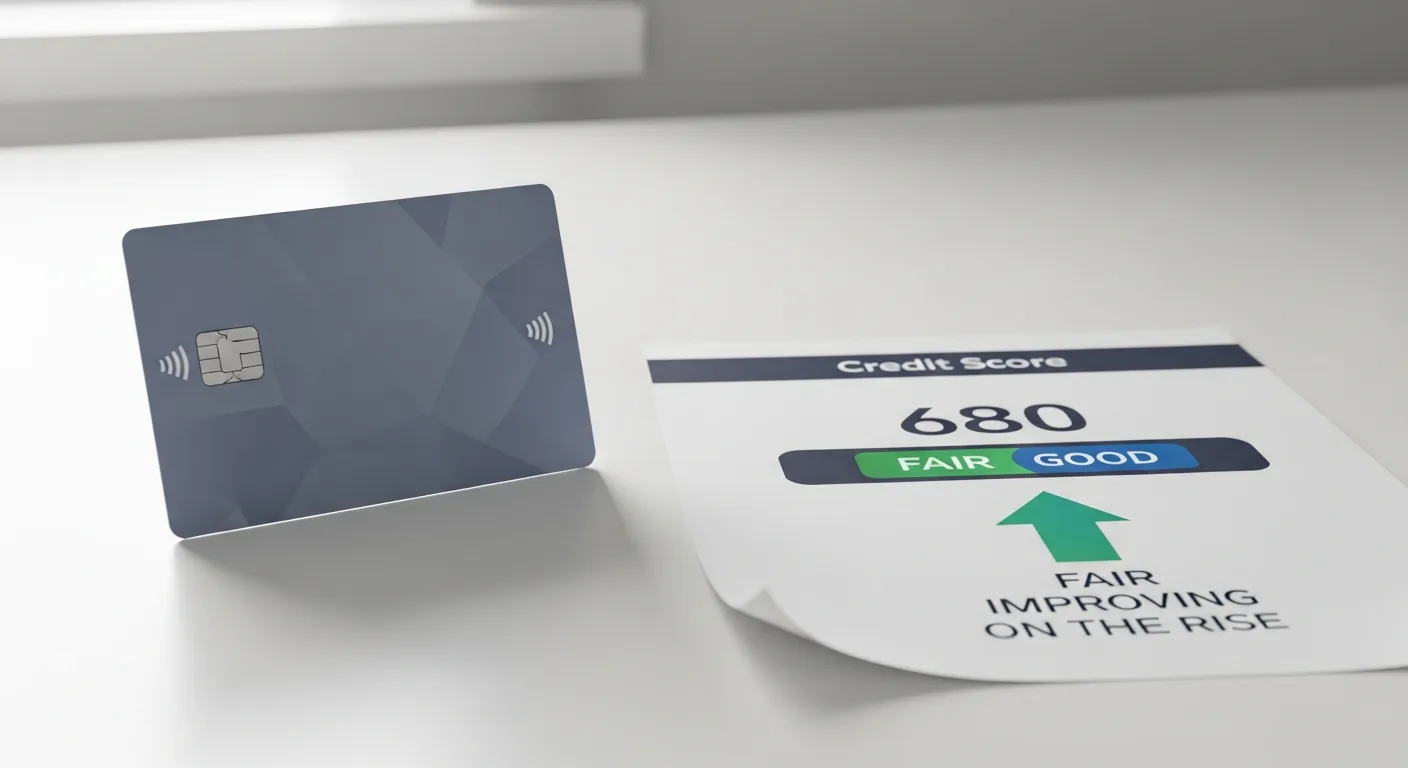
Back to the running example: you open a secured card with a $500 limit on your first month in the U.S. You charge groceries and a transit card — maybe $100 to $120 a month — and pay the full balance before the due date. At month six, you have a FICO score, typically somewhere in the fair-to-good range depending on a few factors. At month twelve, your score is usually solidly in the good range if you haven't missed a payment.
no annual fee rewards card — flat-rate cash back, for example — is typically recommended for good credit, roughly 670 and above. Twelve months of clean history on your starter card will often get you there. At that point, applying for a no annual fee rewards card and keeping your starter card open (to preserve the account age and available credit) is the move.
The mainstream card you were originally eyeing — with better rewards, purchase protections, and no annual fee — may still be there in twelve months. The difference is that you'll have a stronger application profile, rather than burning a hard inquiry on a near-certain decline.
Closing your first card the moment you get a better one shortens your average account age and reduces your available credit — both of which can nudge your score down. Keep it open, use it occasionally, and pay it off. The $0 balance does quiet work for your credit profile.
What to look for in a no annual fee card once you're ready
After twelve months of on-time payments, you're in a position to think about the card you actually want long-term. For most newcomers, a no annual fee card makes the most sense at this stage — there's no cost to holding it, no annual math about whether the rewards cover a fee, and it keeps your costs low while your financial life in the U.S. is still taking shape.
Flat-rate cash back cards typically earn the same percentage on every purchase — simple, no tracking categories. Category cash back cards earn more in specific areas (groceries, gas, dining) but require some attention. Either type can work well; the right one depends on where you actually spend. A card that earns well on groceries and transit, for instance, would suit someone commuting in a city. Look for no foreign transaction fees if you travel back to your home country or send money overseas.
Once you're comparing specific options, focus on: no annual fee, no foreign transaction fee if relevant, a solid flat or category cash back rate, and ideally some form of free credit score monitoring so you can watch your score continue to grow.
- No annual fee — no math required to justify keeping it
- No foreign transaction fee — important if you travel internationally or make purchases in foreign currencies
- Flat-rate or category cash back — pick based on your actual spending patterns
- Free credit score access — helps you track your progress and time your next application well
- A clear upgrade path — some issuers make it easy to move to a better product without a new application
Compare Current Offers
Build your score, then upgrade
The right starter card today is what makes the rewards card possible in twelve months. Check out top offers available now for newcomers and thin-file applicants.

Watching your score climb over 12 months can be straightforward with the right starter card.
Learn More About Top OffersFrequently Asked Questions
Can a new immigrant with little credit history get a mainstream rewards card?
How long does it take to build enough credit to qualify for a mainstream card?
What kind of card should a new immigrant start with?
Does having a credit history from another country help?
Will applying for a mainstream card and getting declined hurt my chances later?
Should I close my secured card once I get a better one?
Do I need a Social Security number to apply for a credit card?
The Bottom Line
The honest answer is that a mainstream rewards card is probably a step ahead of where you are right now — and that's completely fine. Start with a secured card or a newcomer-focused card, keep your balance under 30% of your limit, and pay in full every month. Six to twelve months later, you'll have a stronger profile for a no annual fee rewards card you actually want.
The path isn't complicated. It just requires patience and one good first card. Check out top offers available now for newcomers and thin-file applicants, and think of the starter card not as a consolation prize but as the foundation everything else is built on.