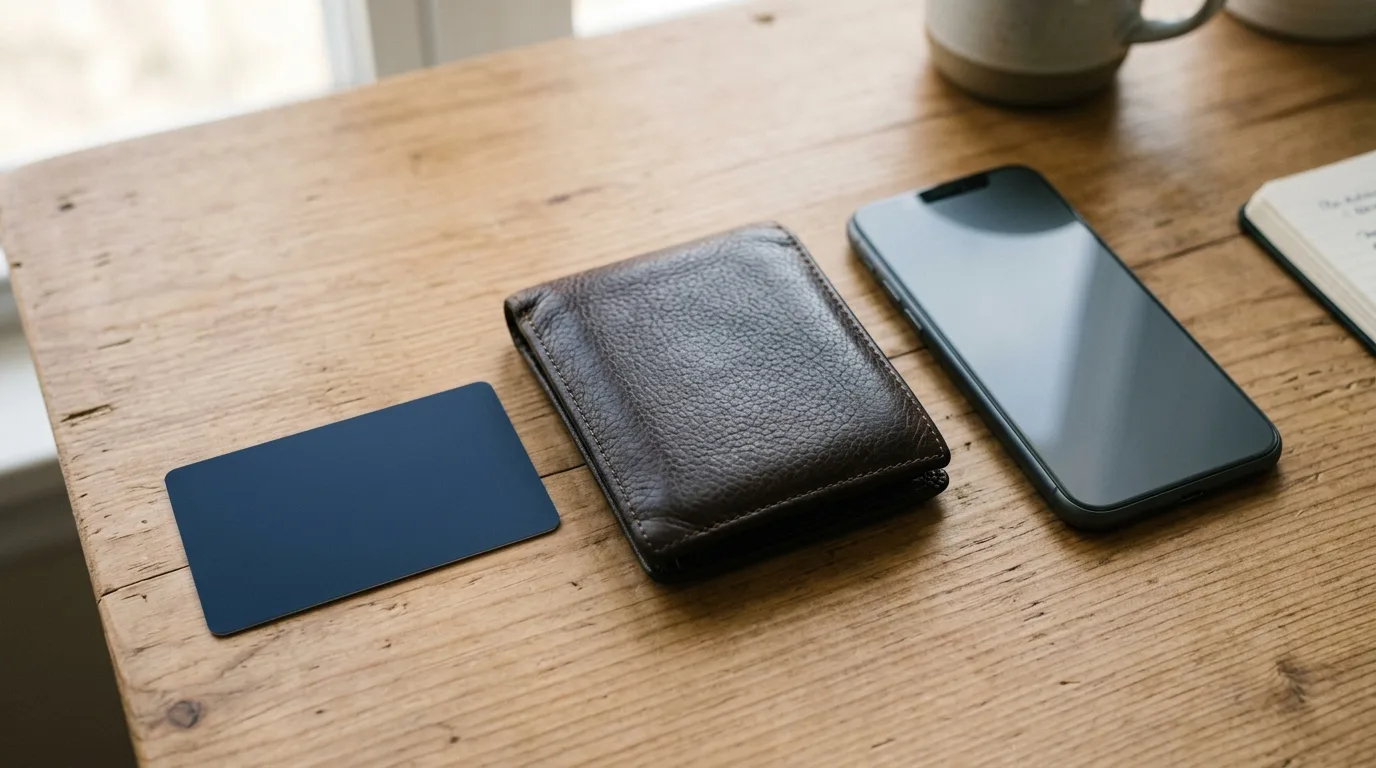
Yes, a no annual fee backup card can be a smart move if your main card is the only way you pay for things, because it gives you a second way to pay while the first one is replaced. The reason is simple: when a card is stolen, frozen, or stuck in the mail, you can be without it for days, and a backup means gas, groceries, and bills don't stop. It only makes sense if the card truly costs nothing to keep and you're willing to use it now and then so it stays open.
Key Takeaways
- A no annual fee backup card gives you a way to pay while your main card is stolen, frozen, or being replaced.
- It costs nothing to hold, but you should still use it for a small purchase every so often and keep it safe.
- If you rarely spend on cards or already have two cards, you probably don't need a third just for emergencies.
What actually happens when your main card is stolen or frozen?
When you report a card stolen, the issuer shuts it off right away. That's good news for fraud protection, but it also means the card stops working at the register, on your phone, and on every site where you've saved it. Compare current no annual fee offers.
A replacement card usually comes by mail, and that can take several days. Some issuers offer faster shipping or let you add a new card number to a phone wallet quickly, but not every situation works that way. A frozen account after suspicious activity can also take a while to sort out.
Card trouble is not rare. Consumers filed 108,881 fraud reports involving credit cards in 2024 and reported $275 million in losses.[1] Most people will deal with a lost card or a fraud alert at some point, even if it's only a hassle.
Already know what you want? A second no-fee card can keep you paying for essentials when your main card disappears. Here's how to tell whether it's worth opening one.
Learn MoreIs a backup card worth it if you have a debit card?
A debit card can fill in for a few days, but it pulls money straight from your checking account. If someone steals the debit card number, unauthorized charges can reduce your available balance while your rent or bills are still due.
A credit card works differently. You're using the issuer's money, and you can dispute unauthorized charges. That's one reason many people like keeping everyday spending on credit and their bank account out of the line of fire.
A backup credit card also helps when something unexpected happens. When asked how they would cover a $400 emergency expense, 38% of U.S. adults said they would use a credit card and pay it off in full at the next statement.[2] If your only card is out of service at that moment, you have no way to do that.
Store the backup card somewhere other than your wallet, like a drawer at home or a bag you carry separately. If your wallet is stolen, you want the backup to still be safe.
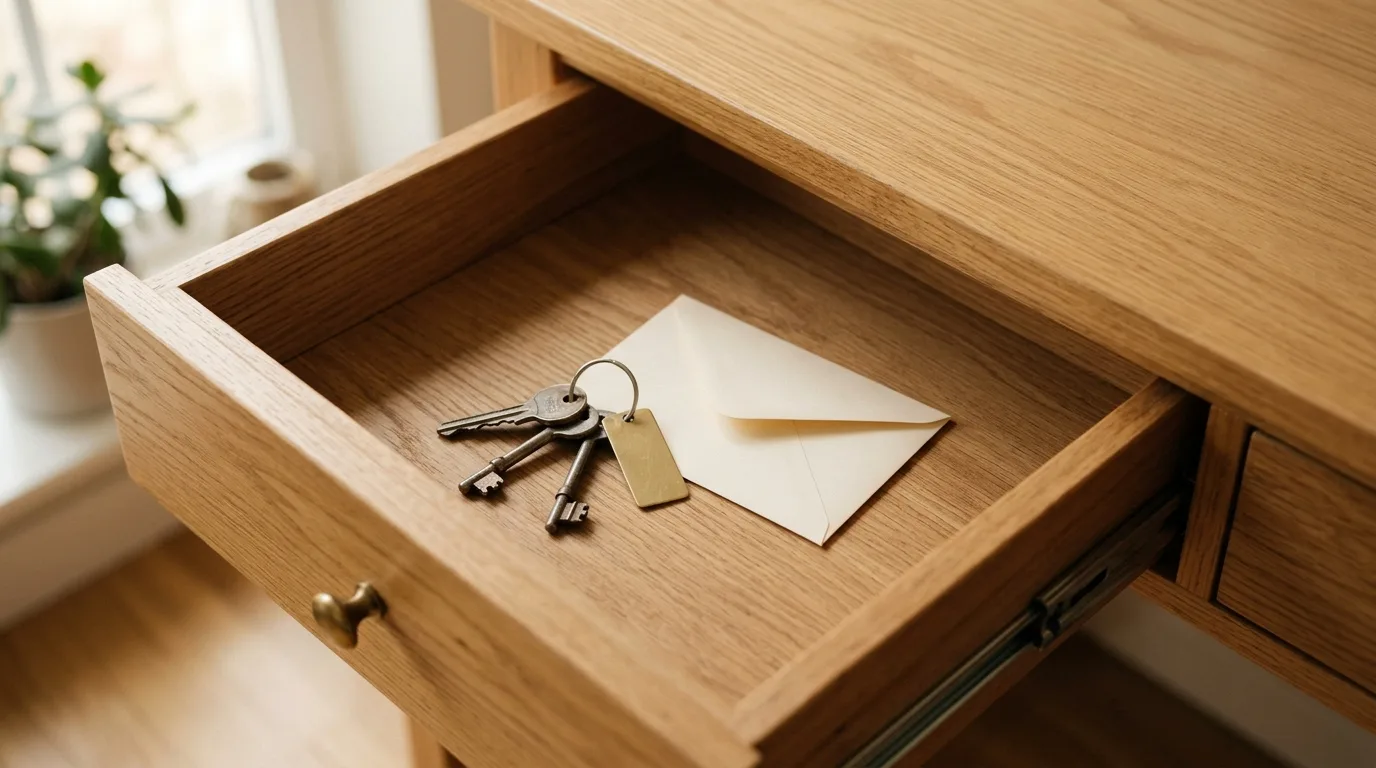
Keeping a backup card at home instead of in your wallet means one theft won't take out both.
What should a good backup card look like?
The goal here is boring on purpose. You don't need big rewards or fancy perks. You need a card that costs nothing to keep, works almost everywhere, and has an app that lets you lock the card and see charges quickly.
Look for these basics when you compare cards. Rewards are a nice bonus, but they aren't the point. These cards are generally recommended for good to excellent credit, so check what credit range a card is aimed at before you apply.
- No annual fee, so holding it costs nothing
- A good mobile app with card lock and instant alerts
- Easy way to add the card to a phone wallet
- Simple flat-rate rewards if you want something back
- A fair regular APR in case you ever need to carry a balance
No Annual Fee Offers
Want to see no annual fee cards side by side?
| Situation | Backup card helpful? | Why |
|---|---|---|
| One card is your only way to pay | Yes | A stolen or frozen card would leave you with nothing |
| You have two cards from different issuers | Probably not | You already have a fallback |
| You mostly use a debit card | Maybe | Credit adds fraud protection and a fallback |
| You're applying for a big loan soon | Wait | A new inquiry could be unwelcome timing |
| You tend to carry balances | Be careful | Extra credit can lead to extra interest |
What are the downsides of opening a second card?
The first downside is the credit check. When you apply, the issuer does a hard inquiry, which can lower your score by a small amount for a short time. A new account also lowers the average age of your accounts a little.
The second is the temptation to spend. If a backup card comes with a bigger limit than you're used to, it can be easy to run up a balance you didn't plan on. Interest on a carried balance can cost far more than any reward is worth.
The third is the work of keeping it alive. If you never use it, an issuer could close it for inactivity. A small recurring charge paid in full each month usually solves that, and autopay makes it painless.
Who should skip the backup card?
If you already carry two cards from different issuers, you have a backup built in. Adding a third mostly adds one more thing to track.
You may also want to wait if you're about to apply for a mortgage or auto loan. A new account and hard inquiry right before that could be unwelcome timing. And if you tend to overspend on credit, a backup card may do more harm than good.
For everyone else, a no annual fee card is a low-cost way to avoid being stuck. If you want to compare options, you can compare current no annual fee offers and choose the plainest one.
Compare Current Offers
Ready to look at no annual fee options?
Check out top no annual fee offers available now and pick a simple card to keep in a drawer for emergencies.

Most card apps let you lock a card in seconds, which is handy when you're not sure if it's lost or stolen.
Learn More About Top OffersFrequently Asked Questions
Should I open a no annual fee backup card?
Will a backup card cost me anything?
How do I keep a backup card from closing on me?
How common is credit card fraud?
How long does a replacement card take?
Is a debit card a good enough backup?
Where should I keep a backup card?
The Bottom Line
A no annual fee backup card is worth considering if you rely on one card for everything. It costs nothing to hold, and it could save you real stress when a card is stolen, frozen, or slow to be replaced.
Keep it simple: pick a no-fee card with a good app, store it away from your wallet, use it for one small bill each month, and pay it in full. If you already have two cards, you can skip it.