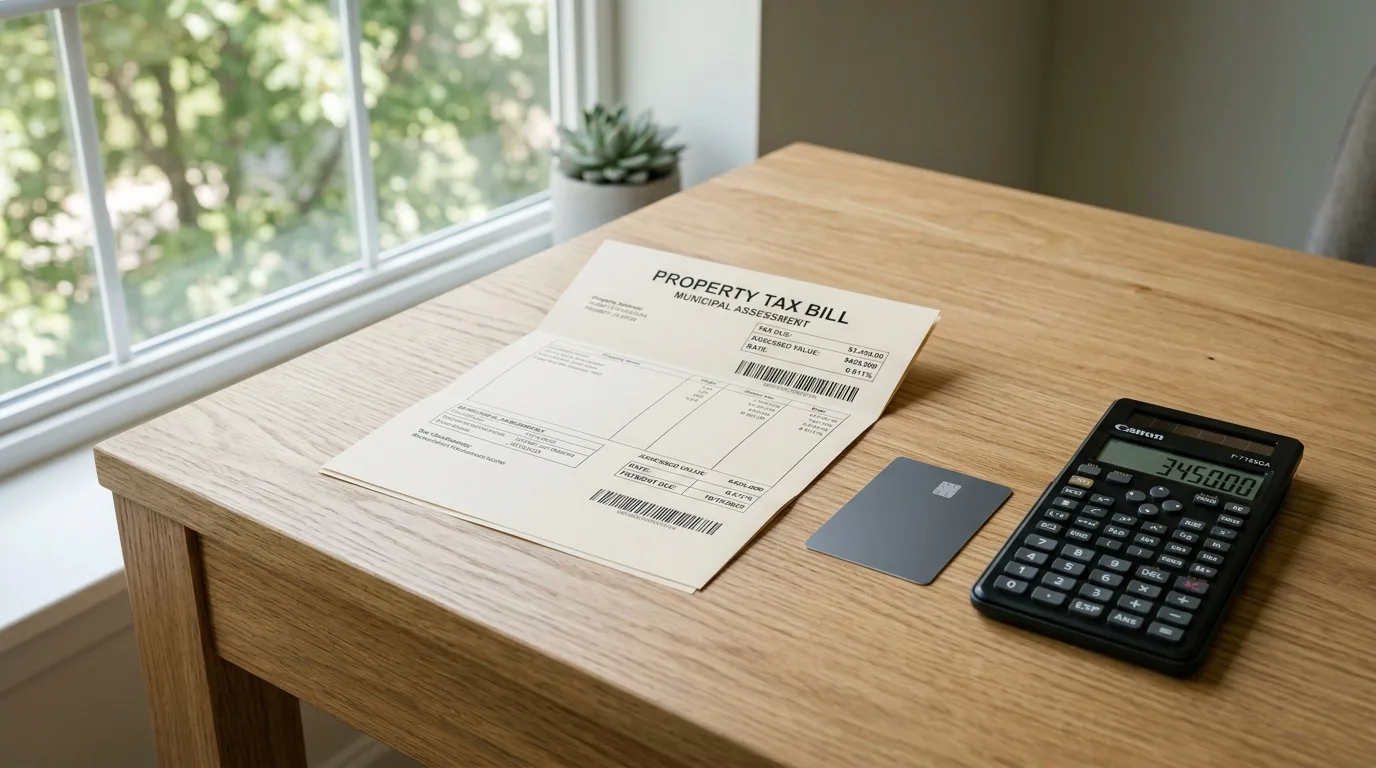
The myth is that you should always pay big recurring bills with a rewards credit card. For most expenses, that's true. For daycare with a convenience fee attached, it often isn't — and blindly swiping could cost you more than you earn. Whether a no annual fee rewards card makes sense for $30,000 a year in daycare payments comes down to one number: the fee your provider charges to accept cards. If that fee exceeds your rewards rate, you're paying for the privilege of losing money.
Key Takeaways
- A 2.5% convenience fee on $30k/yr in daycare costs $750 — more than most flat-rate no annual fee cards earn back in rewards.
- The math only works in your favor if your rewards rate clearly exceeds the convenience fee, or if the card offers a specific category bonus on childcare or everyday spending that pushes past 2.5%.
- If your daycare accepts ACH/bank transfers at no charge, using that for daycare and reserving your card for other spending is usually the better financial move.
The myth: always pay big bills with a rewards card
Most personal finance advice tells you to put every expense on a rewards card and pay it off monthly. That logic holds when merchants absorb the cost of card acceptance. Daycare providers often don't. Many pass the processing cost directly to you as a convenience fee — and at 2.5%, that fee is large enough to change the entire calculation. Compare current no annual fee cash back offers.
Here's the core problem. On $30,000 a year in daycare payments, a 2.5% convenience fee adds up to $750 you're paying out of pocket just to use a card. A flat-rate no annual fee card earning 2% cash back on that same $30k returns $600. You'd be paying $750 to earn $600 — a net loss of $150 every year.
This isn't a rounding error. It's a structural mismatch, and it catches a lot of families off guard because the fee feels small (it's just 2.5%) while the spend is large ($30k). Small percentages on big numbers move real money.
Already know what you want? Thirty thousand dollars a year in daycare is a serious budget line. Before you reach for your rewards card, run the fee math — it could flip the answer entirely.
Learn MoreWhat rewards rate do you need to break even?
The break-even point is simple: your effective rewards rate on daycare spending must exceed 2.5%. If it doesn't, you're losing money on every payment.
Most flat-rate no annual fee cards fall in the 1.5%–2% range. On our $30k example, that's $450–$600 back versus $750 out the door in fees. The shortfall is real. To clear the bar with a flat-rate card, you'd need a card earning at least 2.6% on all purchases — and no annual fee card currently does that consistently.
The better route is a card with a category bonus. Some no annual fee cards offer 3% or more back on everyday categories like groceries, dining, or general purchases. If your daycare payments fall into one of those bonus categories — or if the card offers a broad 'all purchases' elevated rate — you could edge past 2.5%. The key word is 'if.' Check exactly how your card would code a daycare payment before assuming you'll earn a bonus rate.
- Flat-rate 1.5% card: earns $450 on $30k, fee costs $750 — net loss of $300/yr
- Flat-rate 2% card: earns $600 on $30k, fee costs $750 — net loss of $150/yr
- Category 3% card (if daycare qualifies): earns $900 on $30k, fee costs $750 — net gain of $150/yr
- Category 5% card (rotating, if daycare qualifies): earns $1,500 on $30k, fee costs $750 — net gain of $750/yr
Daycare providers typically code as 'educational services' or 'child care services.' Most cards don't have a dedicated bonus category for either. Your payment will usually earn the base rate unless your card's bonus explicitly covers broad everyday spending. When in doubt, call your card issuer and ask how a childcare merchant codes before committing to a year of payments.

Running the numbers before setting up autopay can save hundreds per year.
The sign-up bonus exception: when the math flips
There's one scenario where paying the convenience fee can absolutely make sense: you're working toward a sign-up bonus and daycare is your fastest path to hitting the minimum spend requirement.
Say a card requires spending a certain amount in the first three months to unlock a substantial welcome bonus. Your daycare bill alone could get you there in weeks. If the bonus's value clearly outpaces the convenience fees you'd pay during those months, it's a rational trade. You pay $200–$300 in fees over two or three months, you unlock a bonus worth significantly more, and then you stop putting daycare on that card.
This is a one-time play, not a recurring strategy. Run it once per card, then revert to the smarter long-term approach. According to the CFPB's 2024 issue spotlight, approximately three-in-four general-purpose credit card accounts are rewards cards — competition for sign-up bonuses is fierce, and issuers design them knowing consumers will stretch their spending to hit the threshold. Use that to your advantage, deliberately.
No Annual Fee Offers
See which no annual fee card fits your real spending
The smartest setup: split your payment methods
The cleanest solution isn't about finding the perfect card for daycare. It's about not using a card for daycare at all — and using a card for everything else.
Most daycare centers accept ACH bank transfers (direct debit from your checking account) at no charge. Ask your provider. If they do, set up autopay via ACH for the daycare bill, and redirect your no annual fee rewards card to every other spending category: groceries, gas, subscriptions, dining, household expenses. You capture rewards on all of that spending without handing back a fee on your single largest expense.
On $30k in annual daycare costs avoided as a card expense, even a 2% flat-rate card still earns you rewards on the rest of your budget — and none of those earnings get eroded by a convenience fee. The opportunity cost of not putting daycare on a card is zero if ACH is free. The opportunity cost of putting it on the wrong card is hundreds of dollars a year.
Call or email your provider and ask: 'Do you accept ACH bank transfers, and is there a fee?' Many centers prefer ACH because it reduces their own processing costs. You may already be eligible for fee-free payments and just haven't switched.
Which type of no annual fee card fits best — if you do pay by card
If your daycare doesn't accept ACH, or if you've run the numbers and a category bonus still clears the break-even point, here's how to think about card types.
A flat-rate cash back card is the simplest choice. You earn the same rate on every purchase, so there's no guessing about how daycare will code. The downside is that flat rates rarely top 2%, which means you're likely still underwater on the fee math at 2.5%. These cards work best as the foundation of your wallet — reliable on all the other spending once daycare is routed to ACH.
A category cash back card could work if childcare or a broad everyday category earns 3% or more and your daycare qualifies. Test it on one month's payment before committing. A rotating-category card that occasionally features childcare or 'bills' as a 5% category is another angle, though the rotating schedule makes it unreliable as a primary strategy for a year-round expense like daycare.
One warning worth taking seriously: the CFPB's 2024 data found that cardholders who revolve (carry a balance) pay 94% of total interest and fees but receive less than 30% of rewards benefits. If there's any chance you'd carry a balance on a large monthly daycare charge, rewards cards stop making financial sense entirely. The interest would dwarf any cash back earned.
- Flat-rate card: simplest, but 1.5%–2% usually doesn't clear a 2.5% fee
- Category card with 3%+ on relevant spend: can break even, but verify how daycare codes
- Rotating 5% category card: high upside in the right quarter, unreliable year-round
- Store/co-brand card: rarely useful for childcare, skip it here
How to make the final call for your situation
The decision tree is short. Start with one question: does your daycare accept ACH at no charge? If yes, use ACH for daycare and a flat-rate or category no annual fee card for everything else. Done.
If ACH isn't an option, calculate your exact net reward. Multiply your annual daycare spend by your card's reward rate, then subtract the annual convenience fee total. If the result is negative, you're losing money. If it's positive — likely only with a 3%+ category bonus — then using the card makes sense.
Finally, if you're opening a new card anyway, use the first few months' daycare payments to hit a sign-up bonus minimum, capture that one-time value, then switch to ACH. That sequence — bonus play, then fee avoidance — extracts the most value from both strategies without locking you into an ongoing losing trade.
Compare Current Offers
Ready to find the right no annual fee card?
The best card for your daycare setup depends on your provider's payment options and your overall monthly spend. Compare current no annual fee offers and focus on reward rates, not just names.
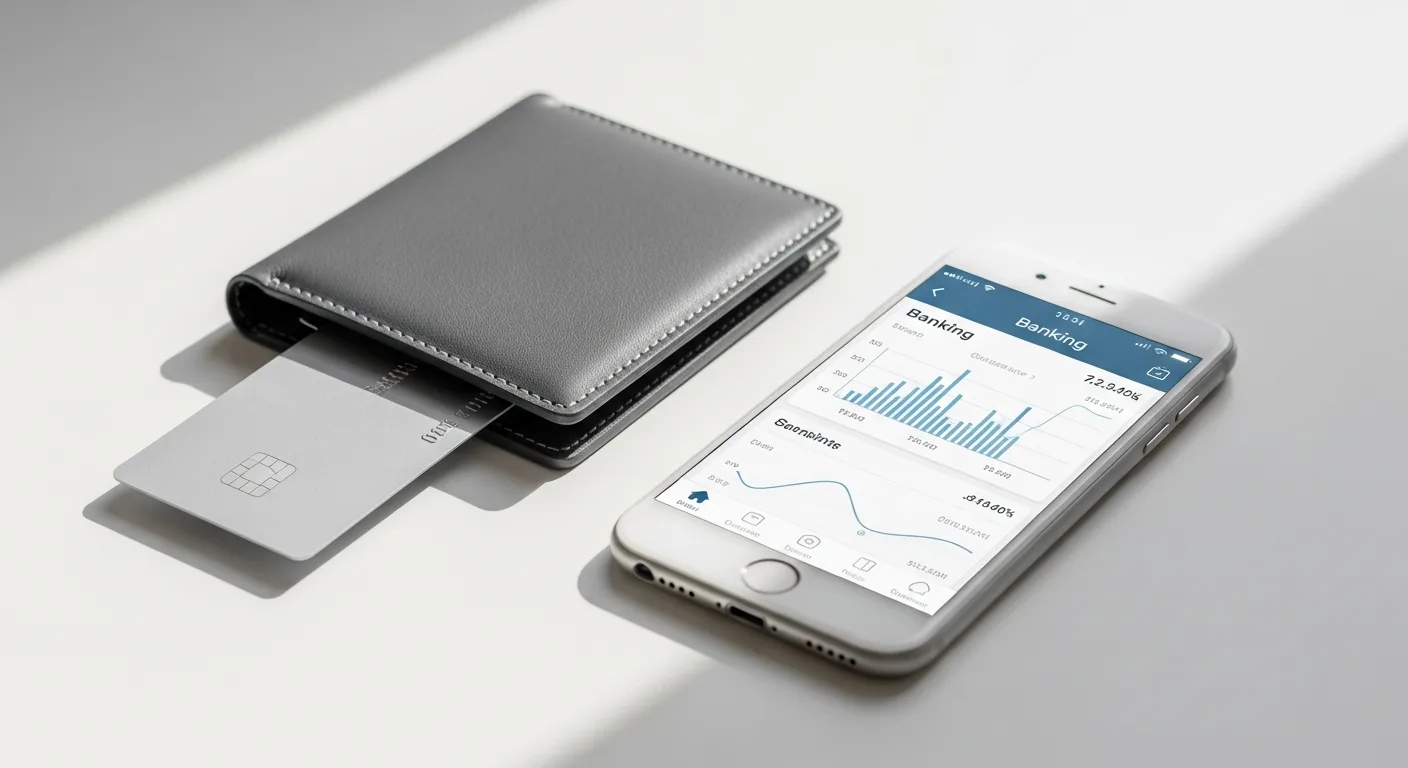
Splitting payment methods — ACH for daycare, card for everything else — is often the highest-earning setup.
Learn More About Top OffersFrequently Asked Questions
Is a no annual fee rewards card worth using for daycare with a 2.5% convenience fee?
What rewards rate do you need to break even on a 2.5% daycare convenience fee?
What's the smartest way to handle a $30k/yr daycare bill on a no annual fee card?
Do daycare payments earn bonus category rewards on most cards?
Can I use the sign-up bonus strategy just for the minimum spend period?
Does carrying a balance change the rewards math for daycare?
Is a no annual fee card better than a paid annual fee card for daycare spend?
The Bottom Line
A no annual fee rewards card is a great tool — just not automatically the right one for every expense. On $30,000 a year in daycare payments with a 2.5% convenience fee attached, most flat-rate cards leave you in the red. The convenience fee costs more than the rewards pay back, and that gap compounds quietly over a full year.
The highest-value move for most families is simple: pay daycare via ACH, use a no annual fee cash back card on everything else, and run a sign-up bonus play once if you're opening a new card anyway. That combination captures rewards where they make sense and eliminates the fee where they don't. Check out current no annual fee cash back offers and focus on the cards that reward your heaviest non-daycare spend categories.