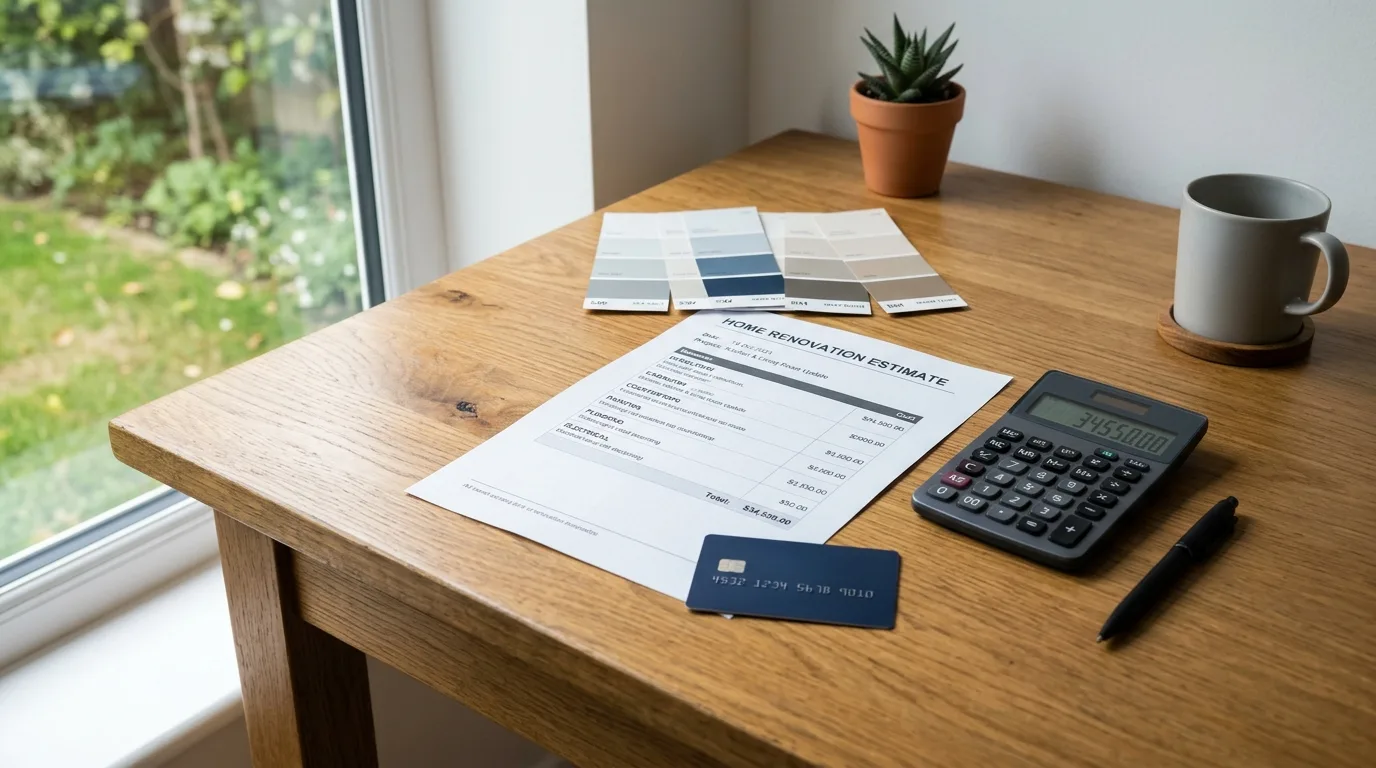
A 0% intro APR card can be a smart way to pay for a wedding, but only if you have a plan to pay the whole balance before the intro period ends. The reason is simple: the card doesn't make the wedding cheaper, it just delays the interest. The average U.S. wedding cost $33,000 in 2024,[1] so a long wedding bill on a card with no payoff plan can get expensive quickly. This guide covers how a true 0% intro APR on purchases differs from rewards cards and vendor financing, and how to handle deposits, card-processing fees, and gift money that may or may not show up.
Is a 0% intro APR card a good way to pay for a wedding?
It can be, in one specific situation: you know where the money will come from, and you know when it arrives. If you earn enough each month to pay off the wedding in equal chunks before the intro period ends, a 0% intro APR card could help you avoid interest while you spread the cost out. Compare current offers.
Here's how the math works. Say you charge $9,000 in wedding costs and your card has a 15-month 0% intro APR on purchases. You'd need to pay $600 a month to clear it in time. Pay $400 a month instead, and you'd still owe $3,000 when the intro period ends. That $3,000 then starts collecting interest at the card's regular APR.
That last part is the risk. Across accounts whose introductory promotions expired in 2024, 79% still carried a balance after the promotion ended.[2] Weddings are exactly the kind of one-time, emotional spending where it's easy to charge more than you planned and then run out of runway.
So the question isn't whether the card is a good card. It's whether your payoff plan works on paper today, with no help from anyone else's wallet.
Divide your expected card spending by the number of intro months. If that monthly payment would strain your budget, charge less, or use a different way to pay for part of the wedding.
Already know what you want? Planning a wedding on a card? Learn how the intro period, vendor fees, and gift timing fit together before you charge anything.
Learn MoreHow is a 0% intro APR different from a rewards card or vendor financing?
These three get lumped together, but they work differently, and each one fits a different kind of wedding spender.
A 0% intro APR on purchases means the card charges no interest on new purchases for a set number of months. It's a timing tool. Many of these cards earn little or no rewards, and that's fine, because the point is the interest-free window.
A rewards card earns cash back or points, but it usually charges a regular APR from day one if you don't pay in full. If you'd carry a balance for months, the interest could easily cost more than the rewards earn. The logic works best when you pay the statement in full every month.
Vendor financing, such as a payment plan from a venue or a financing offer from a jeweler or dress shop, is a separate loan or credit line. Some offers are plain installment plans. Others use deferred interest, where interest is added back from the original purchase date if you don't clear the balance in time. Read the terms closely and look for the difference between a true 0% intro APR and deferred interest. Our guide on how to tell the two apart walks through it.
A quick side-by-side may help:

Small wedding costs like invitations and postage add up, so it helps to track every charge against one total.
How should you handle wedding deposits and card-processing fees?
Deposits are the first place a wedding plan can go wrong, because they come early. A venue, photographer, and caterer may all want money many months before the wedding. If you charge those deposits right after opening the card, you're using up your intro months while the big bills are still ahead.
A simple fix is to open the card close to when your largest charges begin, not the day you get engaged. If you've already charged some deposits on another card, it can make sense to keep those there and use the new card for the later, larger bills.
Next, ask about fees. Some vendors add a card-processing surcharge, and some give a discount for paying by check or bank transfer. On a $5,000 deposit, every 1% a vendor adds is $50. If a vendor adds a few percent, the surcharge alone could cost you more than a few months of interest would have.
When a vendor charges a fee, compare two options. One is to pay with the card and eat the fee. The other is to pay by check or bank transfer and use your cash flow to cover it. For small vendors, the fee often isn't worth it. For a large bill that you couldn't otherwise pay without borrowing, the fee could be the cheaper option.
- Ask each vendor, in plain words, whether they charge extra for cards.
- Get the answer in your contract or email, so there are no surprises on the final bill.
- Avoid payment methods that your card might treat as a cash advance. Those usually come with fees and may not get the intro rate. Check your card's terms first.
- Keep deposits and final balances in a simple list so you know what's charged and what's still due.
0% Intro APR Offers
Want to see what's out there? Check out top offers available now
What if family gifts and wedding cash don't arrive on time?
Many couples plan to pay down the card with wedding gifts or contributions from family. That plan feels safe, but it isn't one. Gifts come in different amounts, on different dates, and some may come after the wedding. Some family help is promised and then changes.
In 2024, 37% of U.S. adults said they could not cover a $400 emergency using cash, savings, or a credit card paid off with the next statement.[3] If a surprise cost hits during your payoff months, such as a car repair, a medical bill, or a job change, your wedding payments don't pause.
The safer approach is to build the plan with no gift money in it. Work out the monthly payment from your income alone. If gifts do show up, use them to pay the balance down faster, or move them to savings. Treat them as a bonus, not a foundation.
Also leave a cushion between your last planned payment and the end of the intro period. If your intro period is 15 months and your plan finishes in month 12, you have room for a missed month or a late invoice. Check your card's terms on late payments as well, since some cards can end an intro rate after a missed payment.
Wedding-related cash often dries up fast: the gifts are in, the honeymoon is over, and you're back to normal bills. Try to schedule your payoff so most of the balance is cleared by then, not after.
How do you build a payoff plan that fits the intro period?
Start with the date you'd open the card, not the wedding date. Your intro months begin at account opening. Say you open the card 10 months before the wedding and it has a 15-month intro period. You'd only have about 5 months after the wedding to finish paying it off.
Then set a total you're comfortable charging. A good rule is to charge only what you can pay off with your own income by the last month of the intro period, minus a one-month safety buffer. If you charge $12,000 and the intro period is 18 months, that's about $667 a month. With a 17-month plan to leave a buffer, it's closer to $706 a month.
Keep the card's limit in mind too. A big wedding bill can take up most of a new card's limit, which pushes your credit utilization up. That could lower your credit score while the balance is high. If you expect to use more than a third of the limit, consider splitting costs between a few payment methods.
Finally, set up automatic payments for at least the minimum, and add a calendar reminder for the extra payment you've planned. Check your card's terms for how long the intro rate lasts and whether it applies to purchases, since some offers apply only to balance transfers. Cards with a long 0% intro APR on purchases are typically recommended for good to excellent credit, so it's worth comparing current offers before you decide.
If the numbers don't work, that's useful information too. A smaller guest list, a different venue, or a longer engagement can be cheaper than any card.
Compare Current Offers
Ready to compare cards for your wedding budget?
Look for a 0% intro APR on purchases with an intro period long enough to cover your payoff plan. These cards are generally recommended for good to excellent credit. Check out top offers available now.

Venue and rental bills tend to come due before the event, which is why deposits can use up intro months early.
Learn More About Top OffersFrequently Asked Questions
Should I use a 0% intro APR card for wedding expenses?
Is a 0% intro APR card better than a rewards card for a wedding?
Should I put wedding deposits on a card?
What happens if I still owe money when the intro period ends?
Should I count on wedding gifts to pay off the card?
Is vendor financing the same as a 0% intro APR card?
What credit is a 0% intro APR card usually recommended for?
The Bottom Line
A 0% intro APR card is a good wedding tool when your payoff plan is already solid. It's a bad fit when the plan depends on gifts, a raise, or a lucky break. Build the monthly payment from your own income, count your intro months from the day you open the card, and leave a one-month buffer.
Keep rewards cards and vendor financing in their own lanes: rewards if you'll pay in full, vendor plans only if the terms are clear and not deferred interest. If you're ready to see what's available, compare current offers and pick an intro period that fits your payoff schedule.