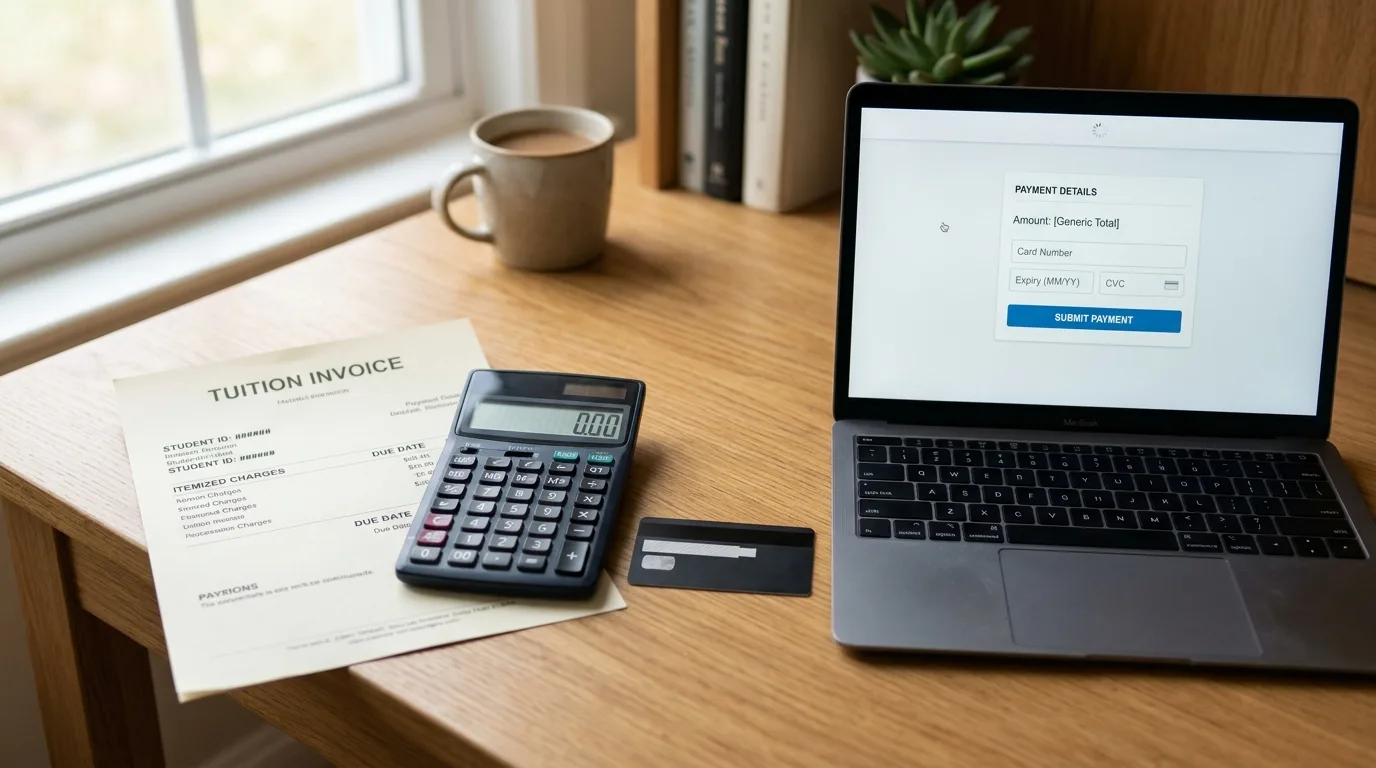
Yes, applying for a 0% intro APR card before a layoff can be a smart move, as long as you treat it as an emergency backup and not as extra spending money. The main reason is timing: card issuers look at your income when you apply, and that income is easiest to show while you're still getting paychecks. Once the paychecks stop, applying gets harder, and a backup is hardest to get at the moment you need it most.
Key Takeaways
- Apply while you still have a paycheck, because income is easiest to document before a layoff, not after.
- An unused credit line is a safety net; money borrowed to spend or invest is debt. Keep the two separate.
- Set a strict rule: use the card only for true essentials, and know your plan for the end of the intro period.
Why does timing matter when a layoff may be coming?
When you apply for a credit card, the issuer asks about your income and looks at your credit history. If you're still employed, you can report your pay and the application tells a clear story. If you apply after a layoff, your income may be lower or uncertain, and that can affect the application. Compare current offers.
Credit applications don't always go the way people expect. In 2024, 62% of U.S. adults said they were very confident a credit-card application would be approved, while 33% of adults who applied for credit were denied or received less credit than requested.[1] Confidence and results don't always match, which is one more reason not to wait until you're desperate.
Rejection is common enough that it also changes behavior. In 2024, 21.0% of U.S. consumers who applied for any type of credit reported being rejected, up from 18.0% in 2022.[2] And 6.0% said they were discouraged from applying because they expected rejection.[3] If you suspect your situation is about to get tougher, applying earlier is simpler than trying later.
Already know what you want? Thinking ahead about a possible layoff? Here's how a 0% intro APR card could work as a backup, and the rules that keep it from becoming a problem.
Learn MoreWhat's the difference between an emergency credit line and borrowing?
This is the most important idea in the whole article. A credit line you never touch is like a fire extinguisher. It sits on the wall, costs nothing, and you're glad it's there if something goes wrong. Borrowing is what happens when you actually spend on the card.
Here's an example. Say you get a card with a $5,000 limit and never use it. You owe nothing and pay no interest. Now say you spend $1,200 on rent during a rough month. You now owe $1,200, and during the 0% intro APR period that balance doesn't collect interest, but you still need to pay it back.
The trouble starts when people treat the open limit as extra income. Using the card to invest, to cover a vacation, or to keep your lifestyle the same while you wait for a new job turns a safety net into debt. A job loss is already stressful. Adding a growing balance you can't pay makes it worse.

An emergency card works best when it stays put away until a real need comes up.
What rule should you set for using the card?
The best backup cards come with rules you decide on while things are calm. Don't make the decision in the middle of a stressful week.
Start by writing a short list of what the card is for. Keep it to true essentials, and decide ahead of time that everything else stays off it.
Then set a ceiling. You don't have to use the full limit. If you'd rather cap yourself at, say, two months of basic bills, write that number down and stick to it.
- Allowed: rent or mortgage, utilities, groceries, insurance, medical bills, transportation to work or interviews.
- Not allowed: investing, travel, shopping, or paying for things you'd normally skip when money is tight.
- Check your cash and savings first. Use the card only after those run short, not before.
- Track every charge in one place so you can see the total at a glance.
Store the card away from your wallet and don't add it to any auto-pay or shopping app. If it takes a little effort to use, you're less likely to reach for it when it isn't an emergency.
0% Intro APR Offers
Want to see what's out there before your income changes?
How do you plan for the end of the intro period?
A 0% intro APR period is temporary. When it ends, any balance left starts collecting interest at the card's regular APR. That's the part that can catch people off guard, especially if they're still looking for work.
Do the math before you spend. If you charge $1,500 and the card has a 12-month intro period, you'd need to pay $125 a month to clear it before interest begins. If you only expect to be able to pay $50 a month, you'd still owe about $900 when the intro period ends.
Also look at the minimum payment. Even during the intro period you generally still need to make at least the minimum payment each month, and missing one could cost you the intro rate. Put the payment due date on your calendar the day the card arrives.
It helps to compare the exact terms of different offers, including how long the intro period lasts and whether there's a fee for balance transfers or an annual fee. Read the fine print for any deferred-interest language too.
Should you apply for a card if you're already laid off?
You can still apply, but it will likely feel different. Without current pay, you'll need to show other income you can legally list, such as severance, unemployment benefits, a partner's income you have reasonable access to, or other regular sources. Check the application's rules about what counts.
If you're not sure a new card is worth it, there are other pieces of a backup plan. A cash cushion, even a small one, is more flexible than any card. You can also ask existing lenders about hardship programs before you miss a payment.
The simplest advice is this. If you can see a layoff coming and your credit is in good shape, these cards may be worth considering. These cards are typically recommended for good to excellent credit.
Is a credit card a good substitute for an emergency fund?
No, but it can fill a gap. In 2024, 63% of U.S. adults said they could cover a hypothetical $400 emergency expense using cash, savings, or a credit card paid off with the next statement.[4] That means plenty of people rely on a card as part of their cushion, but notice the key phrase: paid off with the next statement.
A 0% intro APR card gives you more time to pay, but not forever. Use your cash first, keep the card for the gap, and make rebuilding your savings the first goal once new income starts.
Compare Current Offers
Check out top offers available now
If you're planning ahead, compare 0% intro APR cards while your income is still easy to show. These are recommended for good to excellent credit.

Marking the end of the intro period on a calendar helps you plan your payments in advance.
Learn More About Top OffersFrequently Asked Questions
Should I apply for a 0% intro APR card before I lose my job?
Is an unused credit line the same as borrowing money?
What rule should I set for an emergency backup card?
Can I use the card to invest while I'm between jobs?
What happens if I still owe a balance when the intro period ends?
Do I have to make payments during the 0% intro APR period?
Are there alternatives to a credit card for job-loss backup?
The Bottom Line
A 0% intro APR card can be a sensible backup before a layoff, mainly because applying while your income is still verifiable is easier than applying later. The card only helps if you treat it as a safety net and not as spending money.
Before you apply, write down your use-only-if-needed rule and the date the intro period ends. If you can commit to that, check out top offers available now and pick the terms that fit your plan.