
Yes, using a 0% intro APR card for furniture after a move can make sense if it preserves a genuine emergency reserve and you have a firm plan to pay off the balance before the promotional period ends. It becomes a poor choice when it merely delays a purchase you could comfortably pay for without protecting cash. Mike and his wife closed on a new house in June, and by July their living room was four walls and an area rug. They had about $6,000 sitting in savings — enough to buy a couch, a bed frame, and a TV outright — but they'd also just paid a down payment, movers, and a security deposit, and their cash cushion felt thinner than it had in years. Used as a deliberate way to keep cash on hand for emergencies, the card can be a smart liquidity move; used as a way to put off a bill they could already afford, it's just delayed spending with a ticking clock attached.
Why this is a liquidity question, not a furniture question
The furniture isn't really the issue. Mike can afford the couch. The real question is what his $6,000 in savings is *for* right after a move — and whether spending a big chunk of it on furniture leaves him exposed if something else goes wrong in the next few months. compare current 0% intro APR offers
Moves are expensive in ways that don't show up on the original budget: a deposit that takes weeks to get back, a first utility bill that's higher than expected, a car repair triggered by the move itself. If Mike pays cash for furniture and then his transmission goes, he's pulling from a much smaller cushion, or reaching for a card at a much worse rate.
This is exactly the pattern behind carrying debt in general. People with little or no emergency savings are far more likely to carry an unpaid credit card balance after their statement is due, compared with people who have at least a month of income saved.[2] Keeping a reserve isn't abstract caution — it's the difference between paying a bill and financing an emergency at a much higher cost.
Already know what you want? A move drains cash fast. Here's how to tell if financing furniture protects your reserve — or just delays a bill you could already pay.
Learn MoreWhen financing the furniture is the smart move
If Mike opens a 0% intro APR card, pays the minimum or a bit more each month, and keeps the $6,000 sitting untouched in a savings account as his post-move emergency fund, that's a deliberate cash-reserve strategy. He's essentially renting the furniture's cost from the card issuer for free, in exchange for keeping his own money liquid and accessible.
This only works if two things are true. First, he actually leaves the cash alone — it doesn't slowly get spent on a housewarming party and a new grill. Second, he has a firm date circled on the calendar for when the promotional period ends, and a plan to have the balance paid off by then, not just an intention to 'get to it eventually.'
Done this way, the card is a tool for sequencing money, not for spending more than he otherwise would. He's not buying more furniture because it's financed. He's buying the same furniture and choosing where the cash sits in the meantime.
Before opening the card, ask: if I paid cash today, would I still have at least three months of expenses in savings? If yes, financing is optional, not necessary. If no, financing to preserve that cushion is the more defensible choice.
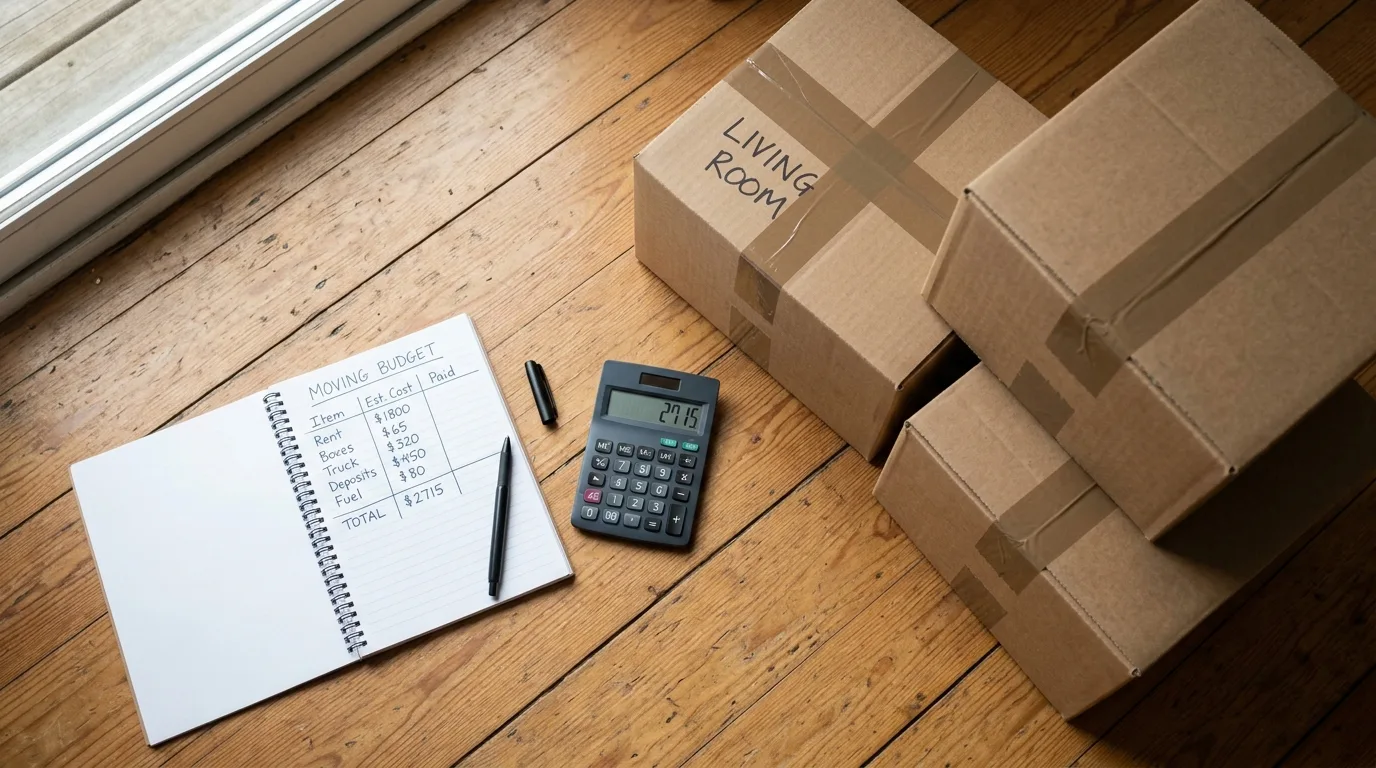
Running the numbers before financing helps confirm whether it's a reserve strategy or just a delay.
When it's just delaying an expense you already could pay
If Mike has $6,000, buys $3,000 of furniture, and would still have $5,000 left in savings after paying cash — the case for financing gets a lot weaker. In that scenario, he's not protecting a cash reserve, because he never needed to touch it. He's just adding a monthly payment and a countdown clock to a purchase that was already comfortably affordable.
This distinction matters because financing isn't free even when the advertised rate is zero. It adds a new account to track, a new due date to hit, and a real risk if life gets busy and the payoff date slips. Deferred-interest promotions in particular can be unforgiving: about one-fifth of deferred-interest promotional balances end up hit with interest charged retroactively on the whole original balance, not just what's left unpaid.[3]
If the money was never actually at risk of being needed elsewhere, the promo card doesn't create value — it just creates a new obligation to manage for no real benefit.
0% Intro APR Offers
Ready to see if a 0% intro APR card fits your move?
| Scenario | Pay cash | Finance on 0% intro APR card |
|---|---|---|
| Savings left after furniture purchase | Drops close to bare minimum | Stays intact as emergency reserve |
| Monthly obligation | None | Fixed payment until payoff date |
| Risk if plans slip | None — already paid | Retroactive interest possible if unpaid by deadline[3] |
| Best when | Cash left over still covers 3-6 months expenses | Cash left over would fall short of that |
How to actually run the numbers before deciding
Start with what you'd have left in savings if you paid cash today, after every recent moving cost is accounted for — deposits, movers, cleaning, the inevitable extra trip to the hardware store. If that leftover number covers three to six months of expenses, cash is fine.
If paying cash would leave you under that line, financing on a 0% intro APR card is worth comparing. Divide the furniture and electronics total by the number of months in the promotional period, and check that the required payment fits comfortably in your monthly budget alongside everything else that's new after a move — higher utilities, a new commute, maybe new insurance costs.
Then write down the exact end date of the promotional period somewhere you'll actually see it — a calendar reminder, not a mental note. Missing that date is the single biggest way this strategy backfires.
- Total moving-related cash outflow so far (deposit, movers, deposits, setup costs)
- Savings remaining if furniture is paid in cash today
- Savings remaining if furniture is financed instead
- Monthly payment required to clear the balance before the promo ends
- A calendar reminder set at least one full billing cycle before the promo end date
What credit range and card features actually matter here
Cards with longer 0% intro APR periods on purchases are generally recommended for good to excellent credit, since issuers reserve the longest promotional windows and most competitive terms for stronger applicants. If your credit is still building, a shorter promotional period or a smaller purchase card may be more realistic, and it's worth factoring that into whether financing is worth doing at all.
Look past the promo period itself. Check what the rate becomes afterward, whether the offer is true 0% intro APR or deferred interest (a structure where interest accrues the whole time and gets charged retroactively if you don't pay in full by the deadline), and whether there's an annual fee that eats into the benefit.
The math only works in your favor if the promo period is long enough that your planned payments actually clear the balance — not just close to it.
Compare Current Offers
Keep your cash reserve intact
Compare current 0% intro APR offers built for large purchases like furniture and electronics.
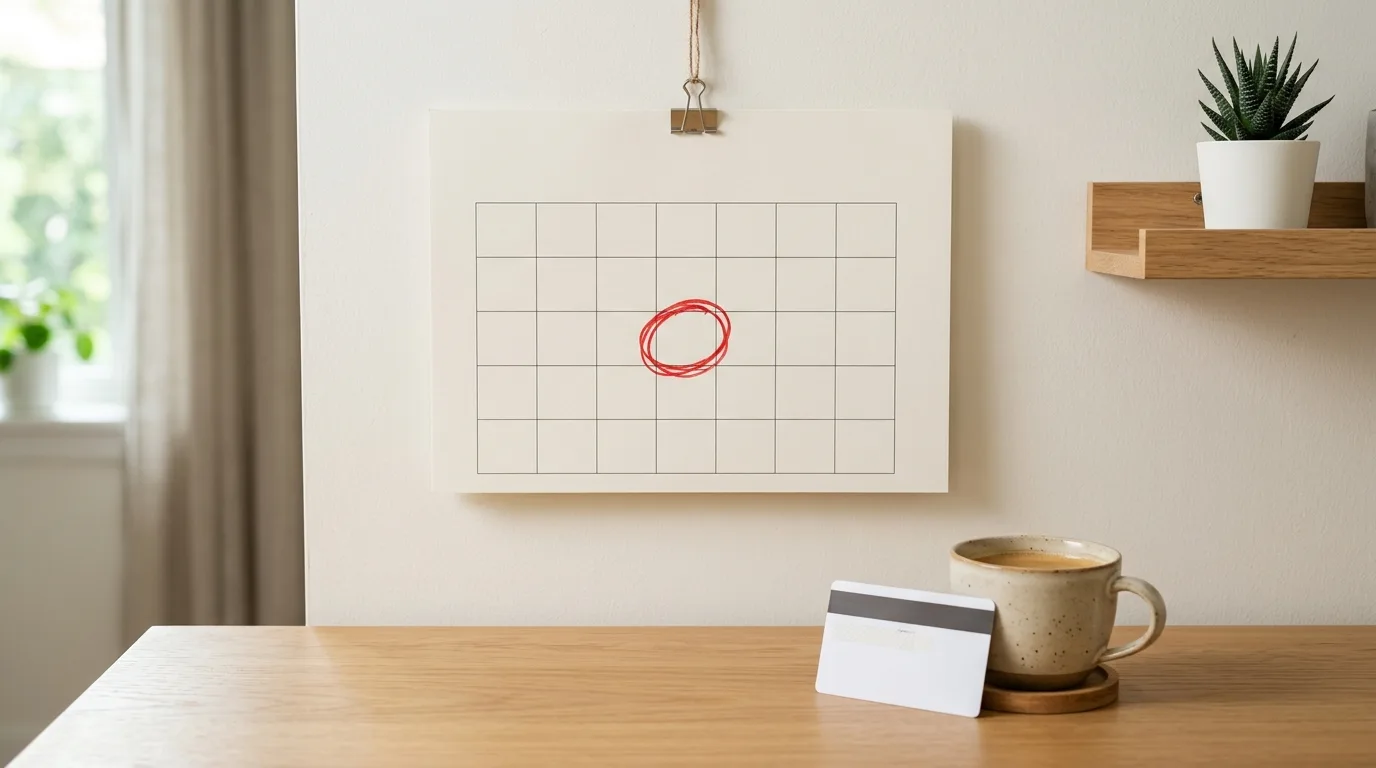
Marking the exact end of a promotional period is the single most important step in this strategy.
Learn More About Top OffersFrequently Asked Questions
Should I use a 0% intro APR card for furniture if I can afford to pay cash?
What's the real risk of financing furniture on a promo card?
How much cash should I keep on hand after a move?
Is 0% intro APR financing the same as deferred interest?
What credit score do I need for a 0% intro APR card?
Does financing furniture instead of paying cash hurt my credit?
What if I can't pay off the balance before the promo ends?
The Bottom Line
Financing furniture on a 0% intro APR card after a move isn't about whether you can afford the purchase — it's about what your cash is protecting you from in the weeks right after you've drained your account on movers and deposits. If keeping that cash liquid gives you real breathing room, financing the furniture is a deliberate, defensible choice, not a shortcut.
If you'd still have a comfortable cushion after paying cash outright, there's less to gain and a new due date to manage for no real upside. Either way, the deciding factor isn't the promo rate — it's whether you have a firm plan to clear the balance before the promotional period ends.