It depends: a 2.25% tuition card fee could be worth paying if a 0% intro APR card lets you spread a large bill over several months without interest and you can clear the balance before the promotion ends. The fee is a real cost, so compare it with the interest you'd otherwise pay and check that your credit limit can handle the charge. Let's run the numbers.
Key Takeaways
- A 2.25% fee is a fixed cost you pay once; compare it against the interest you'd otherwise pay, not against the full tuition amount alone
- Check your current credit limit first — a $6,013 average limit[4] may not leave much room for a large tuition charge without pushing utilization past the recommended 30%[3]
- 0% intro APR only pays off if you have a realistic plan to clear the balance before the promo ends; otherwise deferred interest or standard rates erase the benefit
What does the 2.25% fee actually cost you?
Say your tuition bill is $4,000. A 2.25% processing fee adds $90. That's the full cost of using a card — it doesn't go up or down based on how long you take to pay it off. Compare that flat $90 to what you'd pay in interest if you financed the same $4,000 on a regular card at the standard variable APR[1]. The fee may be less than the interest you'd pay over several months, but the comparison depends on your balance and payoff timeline. compare current 0% intro APR offers
That's the real comparison most people skip: they look at the 2.25% fee and think 'that's a waste,' without asking what the alternative actually costs. If the alternative is a 0% intro APR period with no interest for, say, 15 months, the $90 fee is the entire price of borrowing $4,000 interest-free for over a year. Paid in cash from savings, there's no fee at all — but if you don't have the cash, this combination could cost less than other borrowing options, depending on the terms and your payoff plan.
Already know what you want? Run the actual math on the fee versus the financing before you decide — it's not as obvious as it looks.
Learn MoreWhen does the fee outweigh the benefit?
The math flips if you can pay the bill off quickly anyway. If you've got $4,000 sitting in savings and just didn't want to drain the account, paying by card to 'float' it for one month isn't worth a $90 fee — you're not avoiding meaningful interest, just adding a fee for convenience.
It also flips if you're not confident you'll clear the balance before the 0% introductory period ends. At that point you're paying the 2.25% fee now, and then the standard rate kicks in later — possibly deferred interest that applies retroactively to the whole balance, depending on how the card structures the promotion. Stacking a fee on top of interest you didn't plan for turns a decent idea into an expensive one.
If you can't write down a specific month you expect to have the balance at zero, you're not ready to use the card for this — park the plan and build a payoff calendar first.

A written payoff calendar is what separates a smart 0% intro APR plan from a risky one.
Does your credit limit even allow this?
Before comparing fees and interest, check whether your card can actually absorb the charge. The average bankcard credit limit was $6,013 as of September 2025[4]. A $4,000 tuition charge on a card with that kind of limit would use roughly two-thirds of it — above the 30% level credit-scoring experts advise keeping credit-card use below[3].
High utilization can affect your credit score right when you might need good credit for other things — a car loan, an apartment, or a second line of credit for next semester's tuition. If your limit is lower than average, the math gets worse: a $4,000 charge on a $3,000 limit isn't possible at all without hitting the cap, and even getting close to it can trigger a decline or a fraud hold.
If your limit is tight, consider whether opening a second card with its own 0% introductory period could help avoid putting the entire charge on one line. This may spread the balance across two credit limits, though you should compare the terms and consider the effect on your credit before applying.
0% Intro APR Offers
See if a 0% intro APR card fits your tuition plan
| Scenario | Cost to consider | Likely better option |
|---|---|---|
| Cash on hand covers tuition | 2.25% fee with no offsetting benefit | Pay directly, skip the card |
| No cash, confident payoff plan within intro period | Flat 2.25% fee vs. interest at the standard variable APR[1] | 0% intro APR card often cheaper |
| No cash, uncertain payoff timeline | Fee now, plus possible deferred or standard interest later | Reconsider, or look at a lower-balance partial charge |
| Tuition charge near your full credit limit | Utilization above the advised 30% level[3], compared with a $6,013 average limit[4] | Split across two cards or lower the charged amount |
How does a modest income change the calculation?
Income doesn't change the arithmetic of the fee, but it can change how risky the plan is. In 2025, 52% of cardholders with family income below $25,000 and 57% of those with income of $25,000–$49,999 reported carrying a balance, compared with 37% of all adults[2]. A tight budget can leave less room to pay down a big charge before a promotional rate expires.
If your income is modest, build the payoff math around your actual monthly surplus, not the best-case scenario. Using the $4,000 example: if your 0% intro APR period runs 15 months, you'd need roughly $267 a month to clear it in time. If your budget realistically has $150 a month free after essentials, the promotion will end before the balance does — and that's when the 2.25% fee becomes the least of your costs.
A simple way to decide
Work through these in order before you charge the tuition bill.
- Check your current limit and confirm the charge keeps utilization under roughly 30% [3]
- Calculate the flat dollar cost of the 2.25% fee on your specific balance
- Estimate the interest you'd pay on a regular card at the standard variable APR[1] if you carried the balance for your expected payoff period
- If the 0% intro APR option costs less than that estimated interest, and you have a specific monthly payment that clears it before the promo ends, it's likely the cheaper path
- If you can't commit to a payoff date, treat the card as a fallback, not the primary plan
Compare Current Offers
Compare 0% intro APR cards before you charge tuition
Check your credit limit and payoff timeline first, then compare current offers to see what actually saves you money.
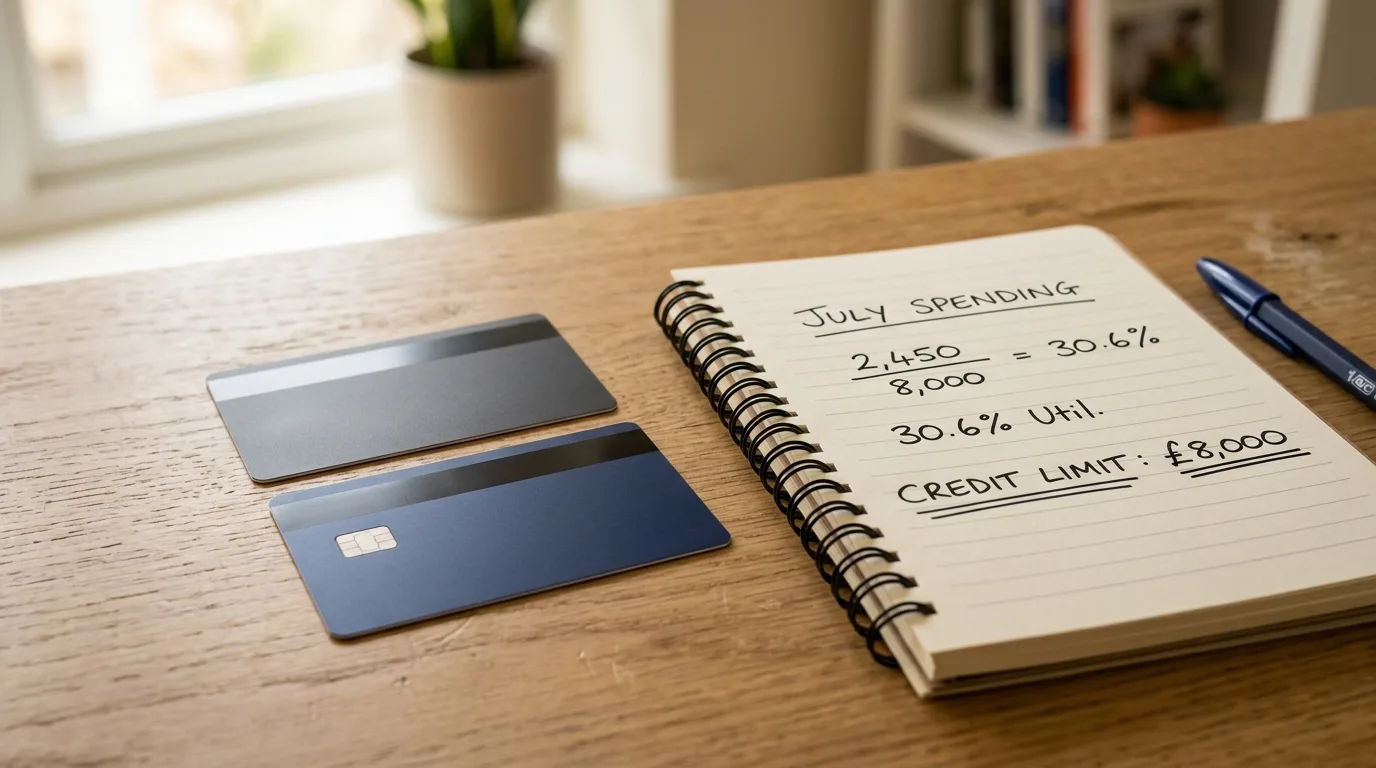
Splitting a large tuition charge across two cards can help keep utilization in check.
Learn More About Top OffersFrequently Asked Questions
Is a 2.25% tuition card fee ever worth paying?
How much tuition can I put on a 0% intro APR card given average credit limits?
What's the biggest risk with financing tuition on a 0% intro APR card?
Should I charge the whole tuition bill or just part of it?
Does the card's rewards rate make up for the 2.25% fee?
What happens if I don't pay off the balance before the 0% intro APR ends?
Is it better to use a school payment plan instead of a card?
The Bottom Line
A 2.25% fee isn't automatically a dealbreaker — it's a fixed price for access to months of interest-free financing, and it could cost less than carrying the same balance on a regular card. The decision comes down to three checks: whether your credit limit can absorb the charge without sharply raising utilization, whether your monthly budget can realistically clear the balance before the 0% introductory period ends, and whether the fee is smaller than the interest you'd otherwise pay.
If all three line up, the card could be a lower-cost way to spread out a tuition bill. If any one of them doesn't, it's worth pausing — a payment plan directly through the school, a personal loan, or simply charging a smaller portion of the bill may serve you better than forcing the whole balance onto one card.