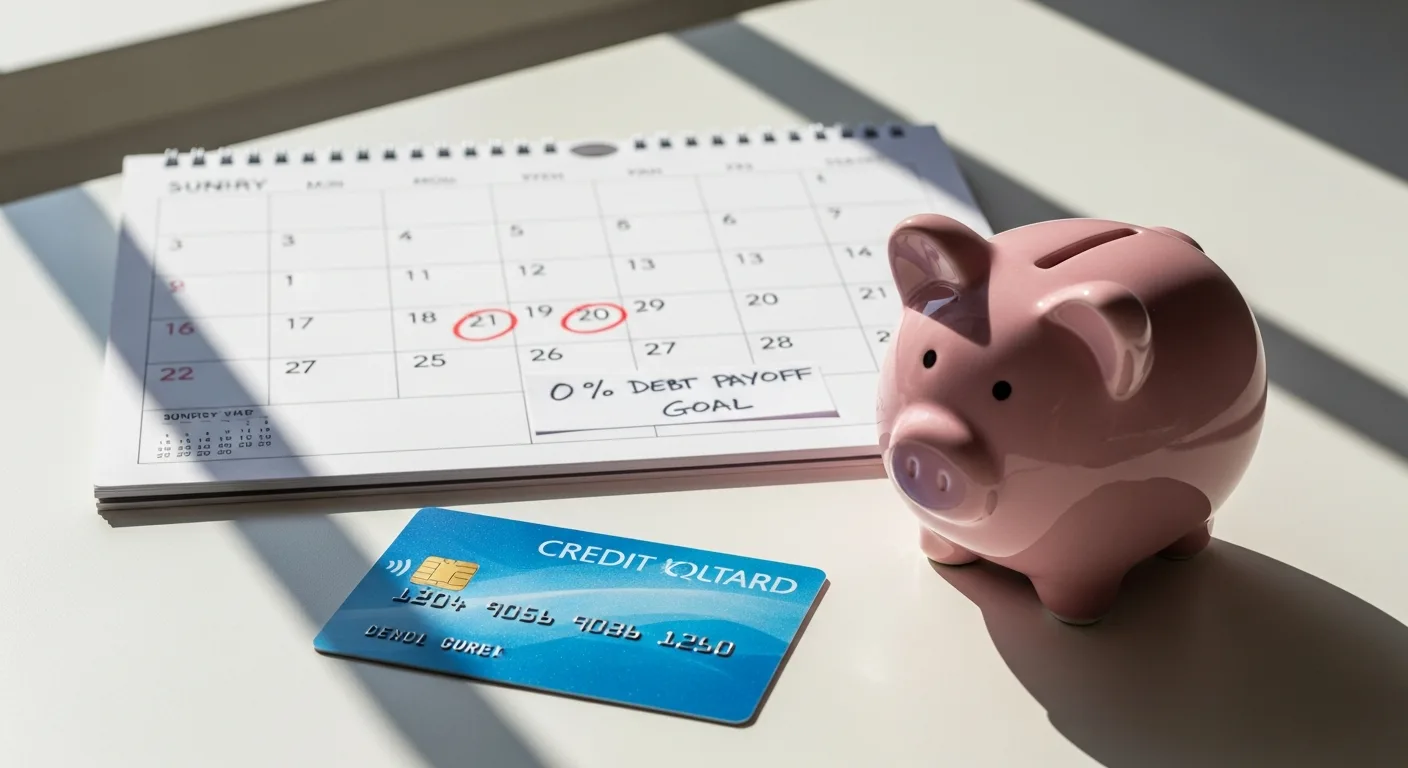
Yes, a 0% intro APR card can be a smart place for a large purchase, as long as you can pay it off before the intro period ends. During the intro period, you pay no interest on new purchases, so every dollar you pay goes toward the balance itself. The risk is the end date: whatever you still owe then starts collecting interest at the card's regular APR. This guide explains how the offer works, how long it lasts, how to build a payoff plan, and what to do if the clock runs low.
Key Takeaways
- A 0% intro APR means no interest on purchases for a set period, but the clock starts when you open the account, not when you buy.
- Divide the purchase by the number of intro months to find the monthly payment you need to finish on time.
- Any balance left when the intro period ends starts collecting interest at the regular APR, so plan the payoff before you apply.
What Is a 0% intro APR, and How Does It Work?
APR is the yearly rate a card charges when you carry a balance from month to month. A 0% intro APR means the card charges no interest on certain balances for a set time. Once that time is up, the card's regular APR takes over. Compare current 0% intro APR offers.
Here's the part people miss: you still owe the money. The offer doesn't make the purchase cheaper. It gives you time to pay it off without interest adding to the bill. You also still have to make at least the minimum payment every month, and missing payments can put the offer at risk.
Also check what the intro rate applies to. Some cards cover new purchases, some cover balance transfers, and some cover both. For a large purchase, you want a card with a 0% intro APR on purchases.
Already know what you want? Planning a big purchase? Check out top 0% intro APR offers available now.
Learn MoreHow Long Does a 0% intro APR Last?
Almost every promotional rate offer is a 0% intro APR that runs between six and 21 months.[1] Longer periods give you more time, which means a smaller monthly payment, but the length of the offer isn't the only thing to compare.
The clock usually starts when you open the account, not when you make your first purchase. If you open a card in January and buy a couch in April, you've already used three months. Buy the big item soon after the account opens so you get the full window.
Look for the exact length in the card's terms before you apply, and note whether the length is counted in months from account opening.
Find out whether the intro period counts from account opening, and whether it covers purchases. Then write down the exact end date the day you open the card.
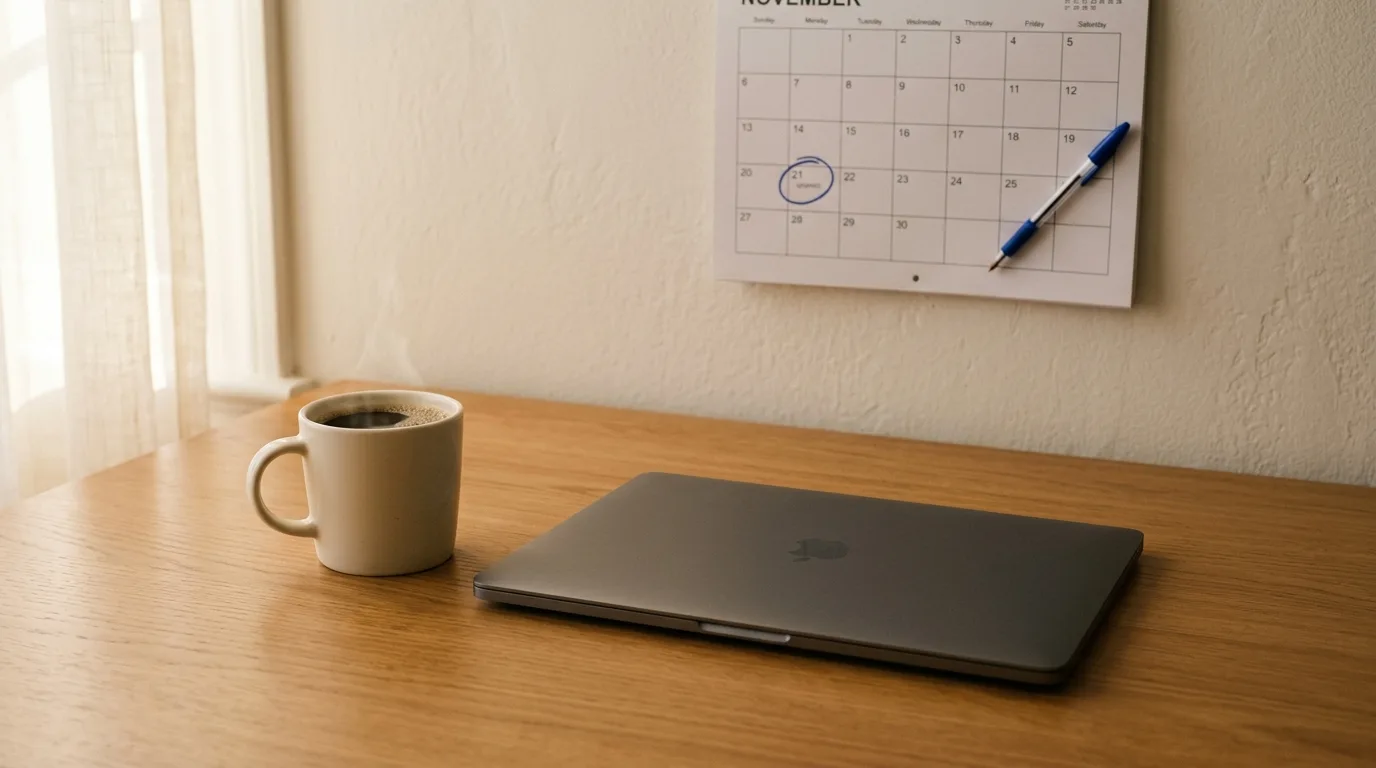
Marking the intro end date and a reminder two months earlier keeps the deadline from sneaking up on you.
How Do You Plan the Payoff? A Simple Example
The math is simple. Divide the purchase by the number of intro months, and that's your monthly payment.
Say you buy a $2,400 laptop and workstation setup on a card with an 18-month 0% intro APR. $2,400 divided by 18 is about $133 a month. Pay that every month and you'd finish right as the intro period ends, with no interest.
Now say you only pay $100 a month. After 18 months you've paid $1,800 and still owe $600. That $600 starts collecting interest at the regular APR the next month.
So before you apply, ask whether the payment fits your budget. If it doesn't, you have two safer options: buy something smaller, or look for a card with a longer intro period. It also helps to aim to finish a month or two early, so a missed payment or a late-posting charge doesn't leave you short.
- Divide the purchase by the intro months to get your monthly target.
- Set up autopay for that amount, not just the minimum.
- Put the end date in your calendar, plus a reminder two months before.
- Pay extra when you can so you finish early.
0% Intro APR Offers
See 0% intro APR Offers for Big Purchases
What Happens When the 0% intro APR Ends?
When the intro period ends, the card's regular APR applies to any balance you still have. Interest is charged on what's left from that point on, so a small leftover balance costs you little and a large one costs more.
It's also easy to keep spending. In one 2025 survey cited by the CFPB, 52% of cardholders kept spending on a card after the intro period ended.[2] If your goal is to pay off a purchase, it helps to stop adding new charges to the card, or at least keep them small enough that you're not undoing your progress.
If you're running short with a few months left, you can increase your payments, pay down as much as possible before the end date, or look at whether another offer makes sense. For the exact timing question, see our guide on paying the statement balance or the current balance before the intro period ends.
Is a 0% intro APR Card the Right Move for You?
It could make sense if the purchase is planned, you know the monthly payment, and you can realistically pay it off in time. It's a poor fit if you're counting on the end date to "sort itself out" or if you can't afford the monthly payment.
Keep your credit in mind too. Applying causes a hard inquiry, and a large balance on a new card raises your utilization. Average U.S. card utilization was 29.1% in September 2025, and utilization above 30% generally has a bigger negative effect on credit scores.[3] A big purchase on a card with a small limit could push your utilization up, which is one more reason to pay it down steadily.
These cards are generally recommended for good to excellent credit. One more thing: not every no-interest offer works like a true 0% intro APR. Some store financing deals charge back interest on the whole purchase if you don't finish in time. Our page on 0% intro APR vs. deferred interest explains the difference before you rely on an offer.
Compare Current Offers
Ready to Compare 0% intro APR Cards?
Check out top 0% intro APR offers available now and compare intro lengths side by side.

Large planned purchases like furniture are the kind of expense a payoff plan is built for.
Learn More About Top OffersFrequently Asked Questions
How do I use a 0% intro APR period to pay for a large purchase interest-free?
How long does a 0% intro APR last?
What happens when the 0% intro APR ends?
Does the intro period start when I open the card or when I buy?
Do I still have to make payments during the intro period?
Will a big purchase affect my credit score?
Is a 0% intro APR card better than a personal loan for a big purchase?
The Bottom Line
A 0% intro APR card can be a good way to spread out a large purchase without paying interest, but only if you treat the end date as a deadline. Do the division first: purchase price divided by intro months. If that payment fits your budget, the plan is workable.
If it doesn't fit, choose a smaller purchase or a longer intro period. When you're ready, compare current offers and look for a purchase 0% intro APR that gives you enough time.