If your spending is spread across groceries, gas, dining, and general purchases with no single dominant category — a flat-rate no annual fee cash back card wins. It earns the same rate on everything, costs nothing to manage, and there's no way to leave money on the table by spending in the wrong category. But if your spending is concentrated — say, the bulk of your monthly budget goes to groceries or gas — a category no-fee card will almost always earn you more in those areas than a flat-rate card will across all of them. That's the core of this decision, and it applies before you even look at a single card offer.
This guide breaks down why each structure wins in its use case, how to calculate which earns you more based on your actual habits, and a two-card approach that captures the best of both without ever paying a yearly fee.
Key Takeaways
- No annual fee cash back cards are genuinely competitive with fee cards on ongoing earn rates
- Flat-rate cards work best for varied spending; category cards win when your spending is concentrated
- The two-card strategy — one category card plus one flat-rate card — maximizes cash back at zero annual cost
Already know what you want? See top cash back cards available right now.
Learn MoreQuick Answers
Short answers for the most common questions before you get into the details.
Can you earn good cash back without paying an annual fee?
Yes. Several no annual fee cards offer competitive cash back rates — some earning flat rates on all purchases, others earning higher rates in specific categories like groceries, gas, and dining. The best no-fee cash back card for you depends on where you spend the most money each month.
Is a flat-rate or category cash back card better with no annual fee?
It depends on your spending habits. A flat-rate no-fee card earns the same rate on everything and works best if your spending is spread across many categories. A category no-fee card earns more in specific areas but less on everything else — it wins if your spending is concentrated in the bonus categories.
What is the two-card strategy for no annual fee cash back?
The two-card strategy pairs a category cash back card (for your top spending areas) with a flat-rate card (for everything else). Because both cards have no annual fee, the combination costs nothing to maintain year-round, and you earn higher rates across more of your spending than either card could deliver alone.
Do No Annual Fee Cards Actually Earn Good Cash Back?
Short answer: yes. The gap between no-fee and fee cash back cards has narrowed considerably. Fee cards still tend to offer richer sign-up bonuses and premium category rates, but on the core question of ongoing earning — how much cash back do you earn per dollar spent — no-fee cards are genuinely competitive. Some flat-rate no-fee cards earn at rates that match or beat the base rate on popular fee cards.
The practical difference shows up in two places: earn rates on specific high-value categories like dining and travel, and redemption flexibility. Premium fee cards often earn more on those categories and give you more ways to redeem. For everyday purchases — groceries, gas, online shopping, general spending — no-fee cards hold their own.
Before assuming a fee card earns more, calculate the break-even: if a card charges an annual fee, you need to earn that much more in rewards just to match a no-fee card at the same rate. A no-fee card starts ahead on day one.
Flat-Rate vs. Category Cash Back: Which Earns More Without a Fee?
No annual fee cash back cards fall into two main camps, and picking the right one depends almost entirely on where your money goes each month.
- Flat-rate cards earn the same percentage on every purchase — no categories, no activation, no caps to track. Best for people with varied spending or those who want simplicity. You always know exactly what you're earning.
- Category cards earn a higher rate in specific areas — often groceries, gas, dining, streaming, or online purchases — and a lower base rate on everything else. Best if your spending is concentrated in one or two areas the card bonuses.
The math usually works out like this: if your top spending category earns a meaningfully higher rate on a category card, that card wins on total cash back. If your spending is spread across categories that don't align with any single card's bonuses, a flat-rate card earns more overall. Our Flat-Rate vs. Category Cash Back: Which Earns More? walks through how to calculate this for your actual spending in detail.
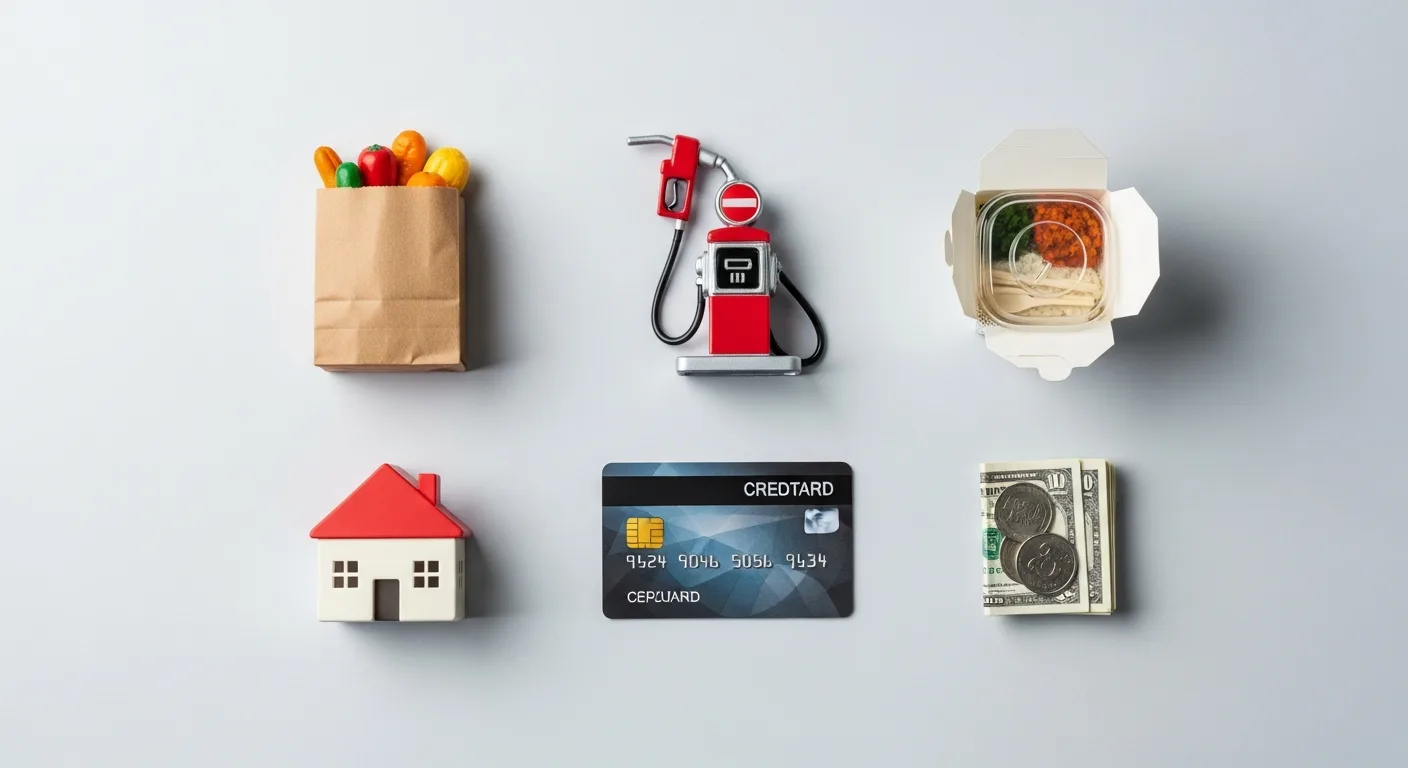
The best no-fee cash back card depends on which spending categories make up the bulk of your monthly budget.
How Much Cash Back Can You Actually Earn With No Annual Fee?
Let's put some rough numbers on it. Say you spend $2,000 a month — a realistic household budget spread across groceries, gas, dining, and general purchases. At a flat cash back rate, that spending could generate meaningful rewards annually with no fee eating into the return. A category card with a higher rate on your top spending area could generate more, but only if your spending actually falls in those bonus categories.
The point isn't a specific number — card terms change and your spending varies. The point is that no-fee cash back is a real earning strategy, not a consolation prize. When you're not paying a fee, every dollar of cash back is pure return.
Cash Back Offers
See the top no annual fee cash back cards available right now.
The Two-Card Strategy: More Cash Back, Still No Annual Fee
The most effective no-fee cash back setup isn't one card — it's two. Here's how it works: you use a category card for your top one or two spending areas (the categories where it earns a higher rate), and a flat-rate card for everything else. Both cards have no annual fee, so the combination costs you nothing to hold year-round.
The result is a higher effective earn rate across your total spending than either card could deliver alone. You're capturing the bonus rate where it matters most and not leaving money on the table on the rest. Of course, this only works if you pay in full each month — carrying a balance wipes out cash back gains through interest charges and can even cost you your grace period. If you have ever lost your grace period by carrying a balance, here's How Do You Get Your Credit Card Grace Period Back?.
- Card 1: Category card — use it at the grocery store, gas station, or wherever your top spending category is
- Card 2: Flat-rate card — use it everywhere else, every time
- Annual cost: Zero. Both cards have no annual fee.
This pairs naturally with the broader no-annual-fee strategy. For more on how to build this kind of no-fee card setup from scratch, see our guide on How to Pick a No Annual Fee Card Based on Your Spending.
What to Watch Out For With No Annual Fee Cash Back Cards
A few things trip people up when using no-fee cash back cards:
- Category caps: Some category no-fee cards cap the bonus earning each quarter or year. Once you hit the cap, spending in that category earns the base rate. If you're a heavy spender in a capped category, check the limits before relying on that card for all your spending there.
- Minimum redemption thresholds: Some cards require a minimum cash back balance before you can redeem. Check redemption terms so your rewards don't sit idle longer than expected.
- Foreign transaction fees: Many cash back cards — including some no-fee ones — charge a foreign transaction fee on international purchases. If you travel or shop from international sites, look for a card that waives this. See our Is a No Foreign Transaction Fee Card Worth It for One Trip? for options.
- Credit score requirements: The best no-fee cash back cards typically recommend good credit (670+). If your score is in the fair range, your options are more limited but not zero — see our guide to Secured vs. Unsecured Cards for Fair Credit: Which Is Better?.
Compare Current Offers
Ready to Find Your No Annual Fee Cash Back Card?
Browse top cash back card offers available right now — no annual fee, real rewards.
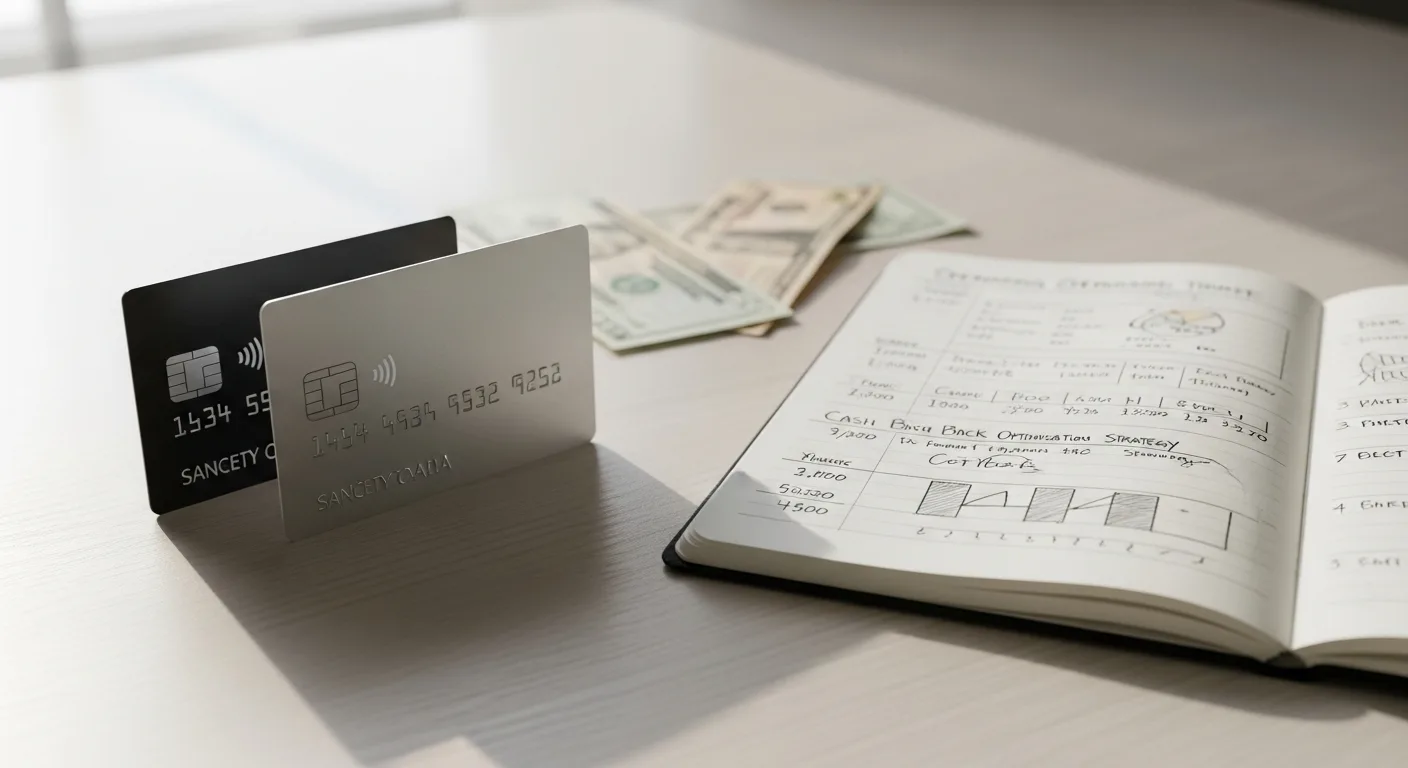
A flat-rate card and a category card together — both no annual fee — can earn more than either card alone.
Learn More About Top OffersFrequently Asked Questions
Can you earn good cash back without paying an annual fee?
Is a flat-rate or category cash back card better with no annual fee?
What is the two-card strategy for no annual fee cash back?
Do no annual fee cash back cards have spending caps?
What is the best no annual fee cash back card strategy?
Do no annual fee cash back cards have spending caps?
The Bottom Line
No annual fee cash back cards are a serious earning option — not a fallback. The right one depends on your spending pattern: flat-rate for varied spending, category card for concentrated spending, or both together for maximum return. Since neither costs you anything to hold, there's no reason not to build the setup that earns you the most. Start with your actual spending data, pick the structure that matches it, and let your everyday purchases work for you.