A cash back card can be worth it for Target groceries, but a card with a supermarket bonus category may not pay that bonus there, so a flat-rate cash back card is often the safer pick. Card issuers usually decide rewards by how a store is categorized, not by what's in your cart, and superstores like Target are often sorted as general merchandise instead of grocery. Before you pick a card, you need to know which category your Target trips will land in.
Key Takeaways
- Grocery bonus categories are usually based on the store's merchant category, and a superstore may be coded as general merchandise instead of a supermarket.
- A flat-rate cash back card pays the same rate on Target as on everything else, so there's no coding surprise. A retailer-specific card could pay more but usually only works at that one store.
- If you also shop at a regular supermarket, a grocery category card and a flat-rate card can work well together. Read the card's terms on superstores before you apply.
Do Target groceries earn a card's supermarket bonus?
Often they don't, and that surprises a lot of people. You see milk, eggs, and chicken in the cart, so it feels like a grocery trip. Your card doesn't see the cart, though. It sees the store. Compare current cash back offers.
Every merchant that accepts cards is assigned a category by its payment processor. When a card says 'bonus cash back at supermarkets,' it usually means purchases at merchants coded as grocery stores. A superstore that sells clothes, electronics, home goods, and food may be coded as a general merchandise or discount store instead.
Some card terms also name superstores, warehouse clubs, and discount stores as excluded from the grocery category. Others are looser. The only way to know is to read the card's rewards terms.
If you're thinking about a grocery card because of your Target runs, check the terms first. A card that pays a high rate on supermarkets could pay only its base rate on a lot of your Target spending.
Already know what you want? Shopping at Target for groceries doesn't always earn the supermarket rewards you might expect. Here's how to match your card to the way you really shop.
Learn MoreWhy does a superstore get coded differently from a supermarket?
It comes down to what the store mostly sells. The card network standard that sorts merchants treats a store as a grocery store or supermarket when perishable items make up at least 45% of its monthly sales volume. General merchandise sellers are classified separately.[1]
Target's own annual report shows why this matters. Food and beverage made up 24% of its merchandise sales in fiscal 2025, and the other 76% came from non-food categories.[2] Food and beverage includes shelf-stable items, so that's not a perfect match for the perishables test. Still, it shows that Target is mostly a general merchandise store that happens to sell a lot of food.
That doesn't mean every Target purchase is coded the same way, and I can't tell you how any one card handles it. It does mean you shouldn't assume a grocery bonus will apply. Treat it as unconfirmed until the card's terms or your first statement say otherwise.
This isn't unusual shopping behavior, either. In 2025, grocery stores accounted for 56.2% of U.S. food-at-home spending, while warehouse clubs and supercenters accounted for 26.4%.[3] Plenty of households buy a real share of their food outside traditional supermarkets, and the card market doesn't always treat those stores like supermarkets.
In a card's rewards terms, look for 'superstores,' 'warehouse clubs,' 'discount stores,' and 'general merchandise.' If any appear next to the grocery category as exclusions, assume Target may not earn the bonus.
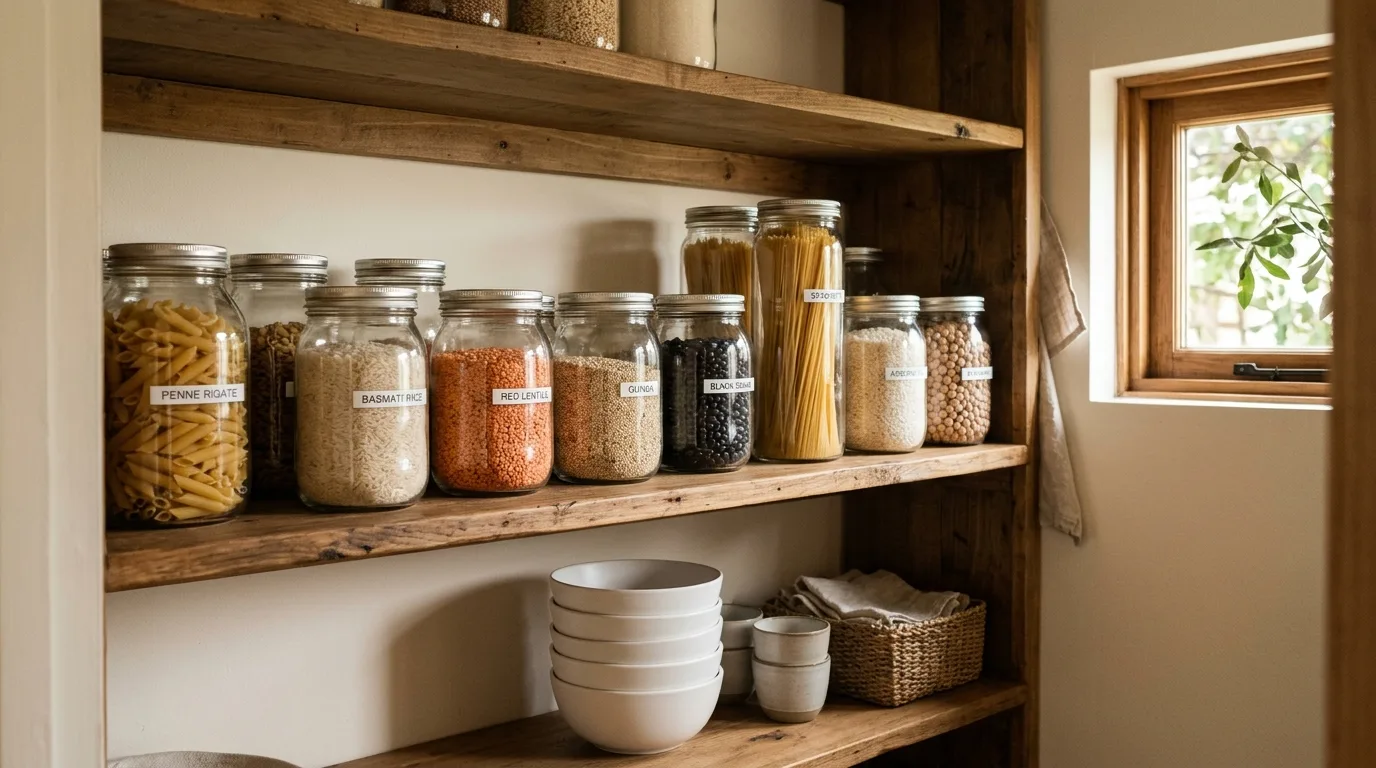
Pantry staples are the kind of regular purchases where a steady flat rate can add up over a year.
Retailer-specific card or broader cash back card: which fits?
A retailer-specific card ties its rewards to one store. It could pay a higher rate or give a discount at that retailer, and it avoids the coding question because the store sets the rules. The tradeoff is that the card usually works well only at that store, and you'd want another card for everything else.
A broader cash back card works the other way. A flat-rate card pays the same percentage on every purchase, so the Target category doesn't matter. A grocery category card pays more at supermarkets but may pay only a base rate on superstore spending.
Here's how the three compare for a household that buys groceries at Target.
Cash Back Offers
Ready to compare cash back cards?
What does the math look like on a $400 monthly Target grocery bill?
Let's use round numbers. Say you spend $400 a month on groceries at Target. These rates are made-up examples to show the math, not rates from any real card.
A flat-rate card paying 2% earns $8 a month, or $96 a year. A grocery category card paying 3% would earn $12 a month, or $144 a year, but only if Target is coded as a grocery store. If it isn't, and the card pays a 1% base rate elsewhere, you'd earn $4 a month, or $48 a year. That's half of what the flat-rate card pays.
A retailer-specific card paying 3% at that store would earn $12 a month, or $144 a year, on the same spending. That's a fair result, but only for purchases at that store.
The pattern is clear. The grocery card wins only if the coding works in your favor. The flat-rate card gives a steady result either way. The retailer card could win if you spend a lot at that one retailer and don't mind carrying a second card for everything else.
How should you decide before you apply?
Start with how you actually shop. Look at the last few months of spending and split it into Target, regular supermarkets, and everything else. That shows you whether Target is your main store or just one of several.
Then use these rules of thumb:
- If Target is most of your grocery spending, a flat-rate cash back card is the simplest choice. A retailer-specific card could also be worth a look if its terms fit your habits.
- If you split your shopping between Target and a supermarket, consider pairing a grocery category card for the supermarket with a flat-rate card for Target.
- If you shop mostly at supermarkets and only occasionally at Target, a grocery category card could make sense, and Target purchases would simply earn the base rate.
- Whichever card you pick, pay the full balance each month. Interest on a carried balance can wipe out the rewards you earn on groceries.
What should you check before you commit?
Read the rewards section, not the marketing page. Look for superstore exclusions, spending caps on bonus categories, and whether the bonus category is limited to certain stores.
Also look at the annual fee, if there is one, and the card's regular APR. A no annual fee card is the easiest to justify for everyday grocery spending, since you don't need to earn back a fee before the card pays off. You can [compare current cash back offers](#offers) to see how the terms differ.
Cash back cards are generally recommended for good to excellent credit. Check each card's stated credit range before you apply.
Once you have the card, run a test. Make one typical Target purchase and check how it earned on your statement. That tells you how that merchant is coded for that card, and you can adjust where you shop or which card you use.
Don't wait for months of statements. After your first Target purchase posts, check the rewards earned. If it earned the base rate only, move your Target spending to your flat-rate card and keep the grocery card for supermarkets.
Compare Current Offers
See cash back cards that fit how you shop
Check out top cash back offers available now and read each card's terms on superstores and grocery categories before you choose.

A superstore cart mixes food with household goods, which is why these stores are often coded as general merchandise.
Learn More About Top OffersFrequently Asked Questions
Will Target purchases earn a card's grocery bonus cash back?
Is a retailer-specific card or a broader cash back card better for Target groceries?
How can I find out how a Target purchase will be categorized?
Does it matter what I buy at Target, or only where I buy it?
Should I open a new card just for Target groceries?
Can I use both a grocery card and a flat-rate card?
What credit range are cash back cards recommended for?
The Bottom Line
For Target groceries, a flat-rate cash back card is usually the safer choice. It pays the same rate on every purchase, so you don't have to guess whether a superstore will be coded as a supermarket. If you also shop at regular supermarkets, a grocery category card could be a good partner for those trips.
A retailer-specific card could make sense if nearly all of your spending happens at that one store. Whichever way you go, read the terms on superstores, test one purchase, and pay your balance in full each month.