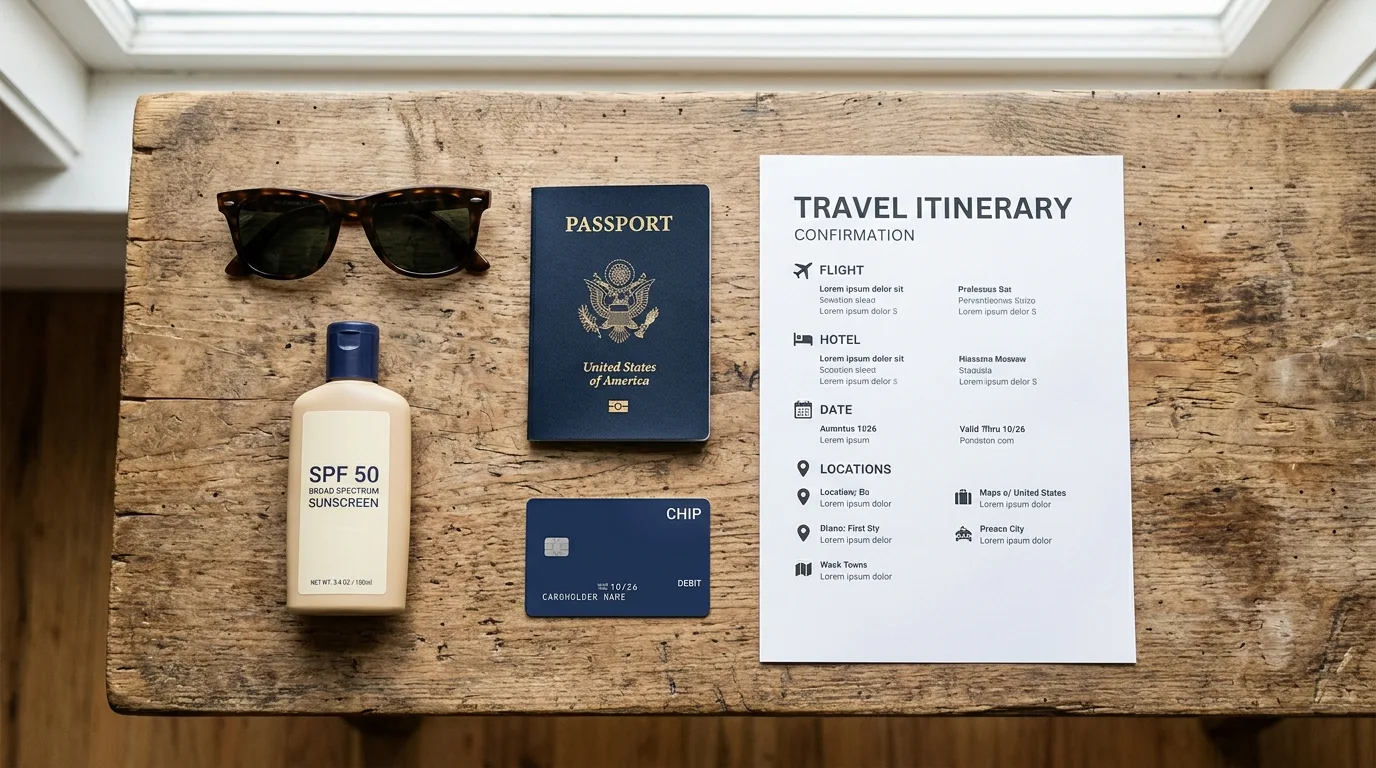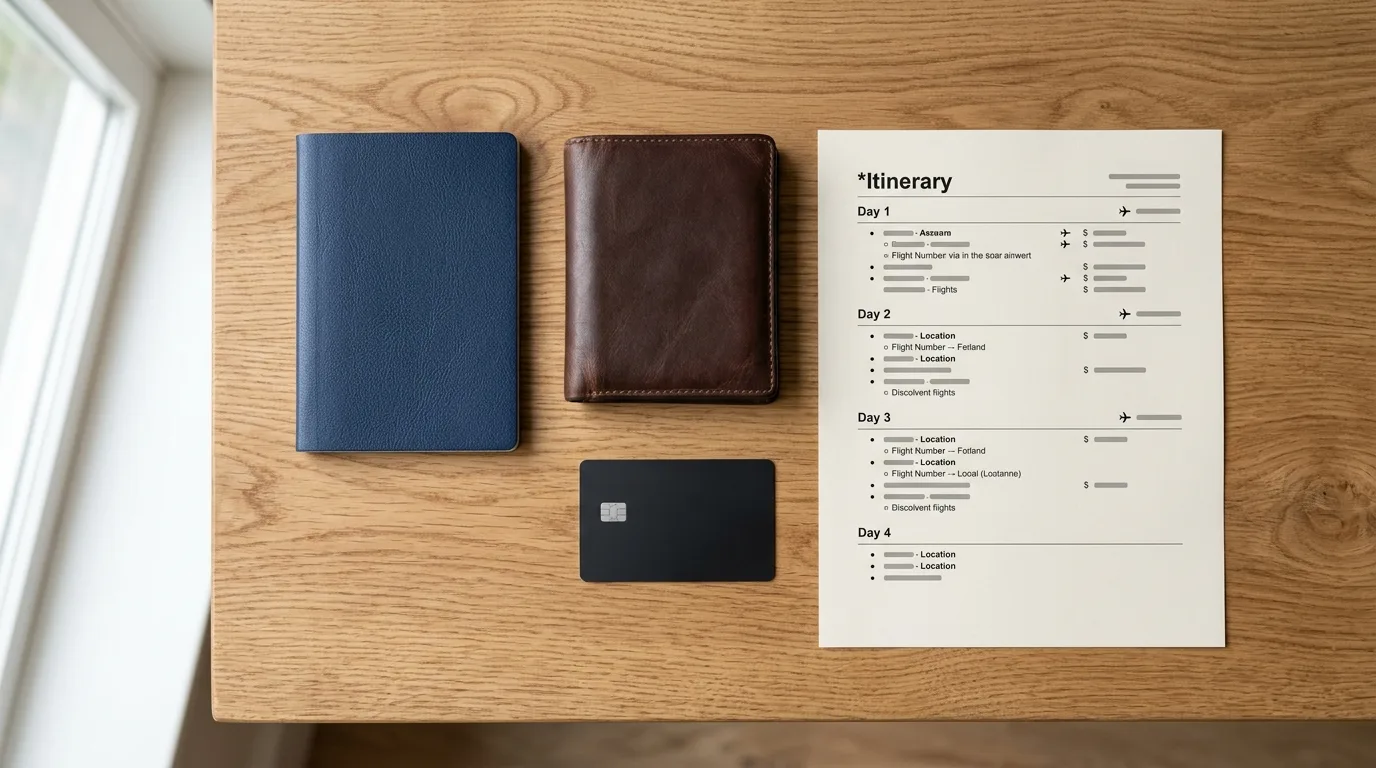
A hotel card can make sense if you pay the hotel directly for a few weeks of stays each year, but it's much less useful if the conference portal charges your card at booking. The deciding factor is who actually takes your payment and whether the stay gets credited to your loyalty account. If the hotel runs your card at checkout and your member number is on the reservation, a co-branded card could earn you rewards on the room, plus extra perks. If the portal charges you, the hotel card may only earn everyday rewards on that spend.
Key Takeaways
- A hotel card pays off most when the hotel itself charges your card at checkout and your loyalty number is attached to the stay.
- If the conference portal charges you up front, the card usually earns little more than a basic rate, so a flat-rate card could be a better fit.
- Two to three weeks of stays a year is enough for a no annual fee hotel card to be worth a look, but run the numbers first.
Why does it matter who charges your card?
With conference travel, there are usually two steps. You reserve a room through the event's booking page, and then you pay somewhere. Sometimes the portal takes your card number. Sometimes it only holds the room, and you settle the bill at the front desk. Compare current offers.
That second step is what a hotel card cares about. A co-branded hotel card typically gives its top earning rate when the hotel brand itself processes the charge. If a third party takes the payment, your card might see it as a general travel or online purchase and pay a lower rate.
Conference portals are very common. In one survey of 750 U.S. business travelers attending conventions, 45% used a conference website to help plan the trip.[1] So this setup isn't unusual. It just isn't spelled out on most card pages.
Look for wording like 'pay at hotel' or 'guarantee with a card.' That usually means the hotel will charge you at checkout, which is the situation where a hotel card works best.
Already know what you want? Not sure a hotel card fits the way your conference stays are billed? Here's how to tell, with a simple example.
Learn MoreWhen does a hotel card still make sense if you pay at the hotel?
If the hotel charges you directly, the card can earn its bonus rate on the room rate and often on food and extras billed to your room. Add your loyalty number to the reservation so the stay also earns points as a member. Those two things stack: points from the stay, and points from the card.
Say you spend about 15 nights a year at $200 a night. That's $3,000. If a hotel card earned 5 points per dollar, you'd collect 15,000 card points. A flat 2% back card would earn $60 on the same spend. The hotel card is worth more only if you'd value those 15,000 points above $60, which depends on how you'd redeem them.
Hotel cards may also come with perks like elite status or free-night certificates. Those can be valuable if you'd use them, but look at what the card offers before counting on them.
- You pay the hotel, not the portal, at checkout
- You stay with the same brand most of the time
- You can attach your loyalty number to the reservation
- You'd actually use the points for free nights
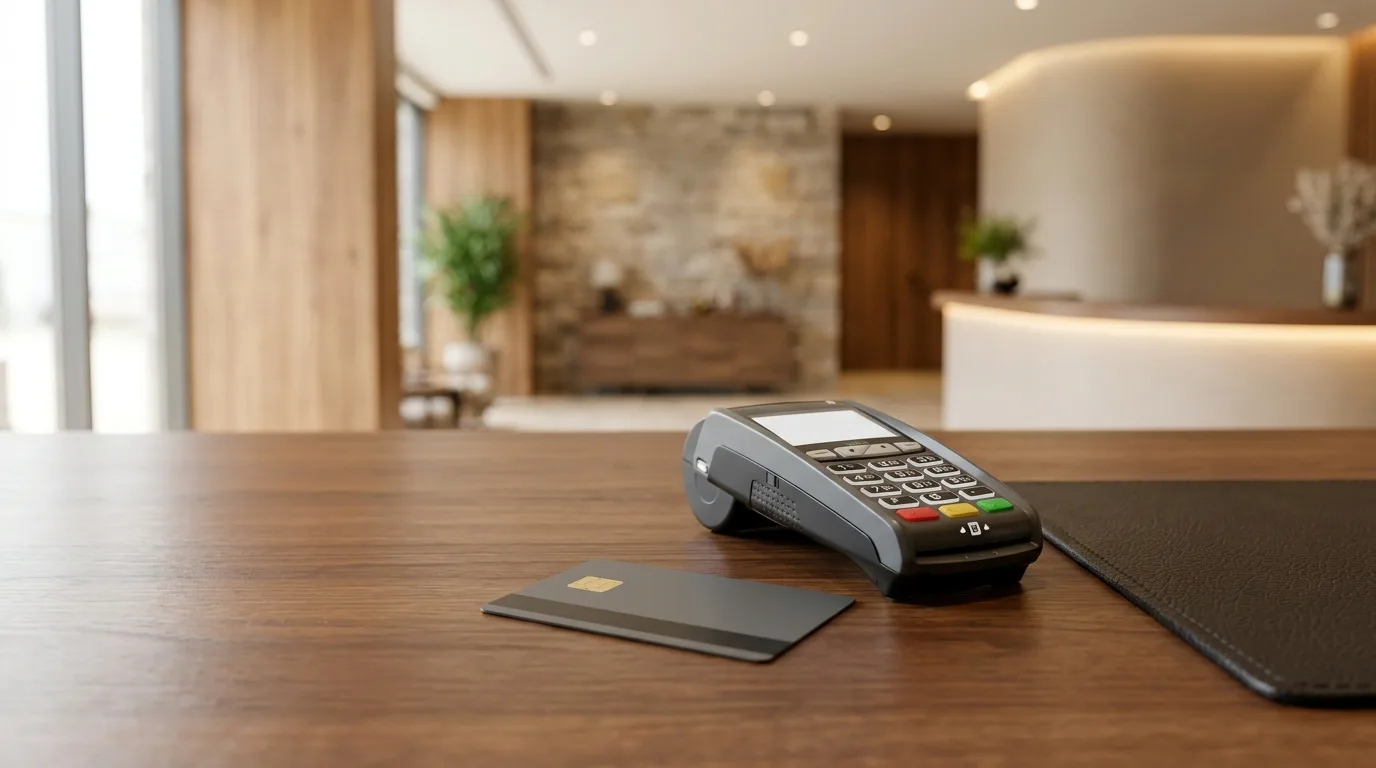
Paying at the front desk is the setup where a co-branded hotel card tends to work best.
When does portal booking get in the way?
Portal booking can get in the way in three ways. First, the portal may charge your card, so you don't get the hotel-specific rate. Second, some group or event rates don't earn loyalty points at all. Third, the room block may put you at a different property than your usual brand.
Sticking with the event's booking tool is often still the smart move. About half of the surveyed attendees booked within the room block through its preferred tool, and two-thirds of those who booked outside it paid more for lodging than they would have through the event-approved service.[2] A lower room price can be worth more than a few extra points.
So don't skip the room block just to chase rewards. Pick the cheaper stay, then choose the card that earns the most on how you end up paying.
Travel Rewards Offers
See Which Travel Cards Fit Your Stays
| How the stay is billed | Hotel card | Flat-rate card |
|---|---|---|
| Hotel charges you at checkout | Could earn its top hotel rate plus perks | Earns its flat rate |
| Portal charges you at booking | Often a lower, general rate | Earns its flat rate |
| Mixed billing, several brands | Inconsistent | Simple and steady |
| One brand, frequent stays | Often strongest | May earn less overall |
Hotel card or flat-rate card: how do you decide?
Start with last year's stays. Add up how many nights were billed by the hotel and how many were charged by a portal. If most were paid at the hotel, and you stick with one brand, a hotel card is worth a closer look.
If your billing is mixed, or you also use other hotel brands, a flat-rate card is simpler. It earns the same rate no matter who charges you, and the rewards are easy to use. If your employer reimburses you, consider that too. Check that the points and perks are yours to keep under your company's travel policy.
A no annual fee hotel card is the lowest-risk way to test the idea. If the fee is high, you'd need to use the perks enough to make up for it.
What should you check before you apply?
Before applying, make a short list. Does the hotel actually charge your card at checkout? Will your member number attach to the reservation? Does the event rate earn points? How much would you spend a year?
Also plan to pay the card in full each month. Rewards are worth much less if interest cancels them out. Hotel cards are generally recommended for good to excellent credit.
When you're ready, you can compare current offers and see which travel card matches how you pay.
Compare Current Offers
Ready to Compare Travel Cards?
Check out top offers available now and see which card matches how you actually pay for hotels. These are recommended for good to excellent credit.

A quick comparison of yearly hotel spend can show whether points or a flat rate comes out ahead.
Learn More About Top OffersFrequently Asked Questions
Should I get a hotel card if I book through a conference portal?
Do I earn hotel points when I book through a conference portal?
Is a hotel card or a flat-rate card better for conference travel?
Is it worth skipping the room block to earn more points?
Will the hotel card earn rewards on food and extras?
Does a no annual fee hotel card make sense for 2-3 weeks of stays?
The Bottom Line
Get a hotel card if the hotel charges you directly, you stay with one brand, and you'd use the points. Skip it if a portal charges you up front or your stays are spread across brands. A flat-rate card is the safer pick in that case.
Before you decide, look at your last few confirmations and add up the yearly spend. That math will tell you more than any card's marketing.