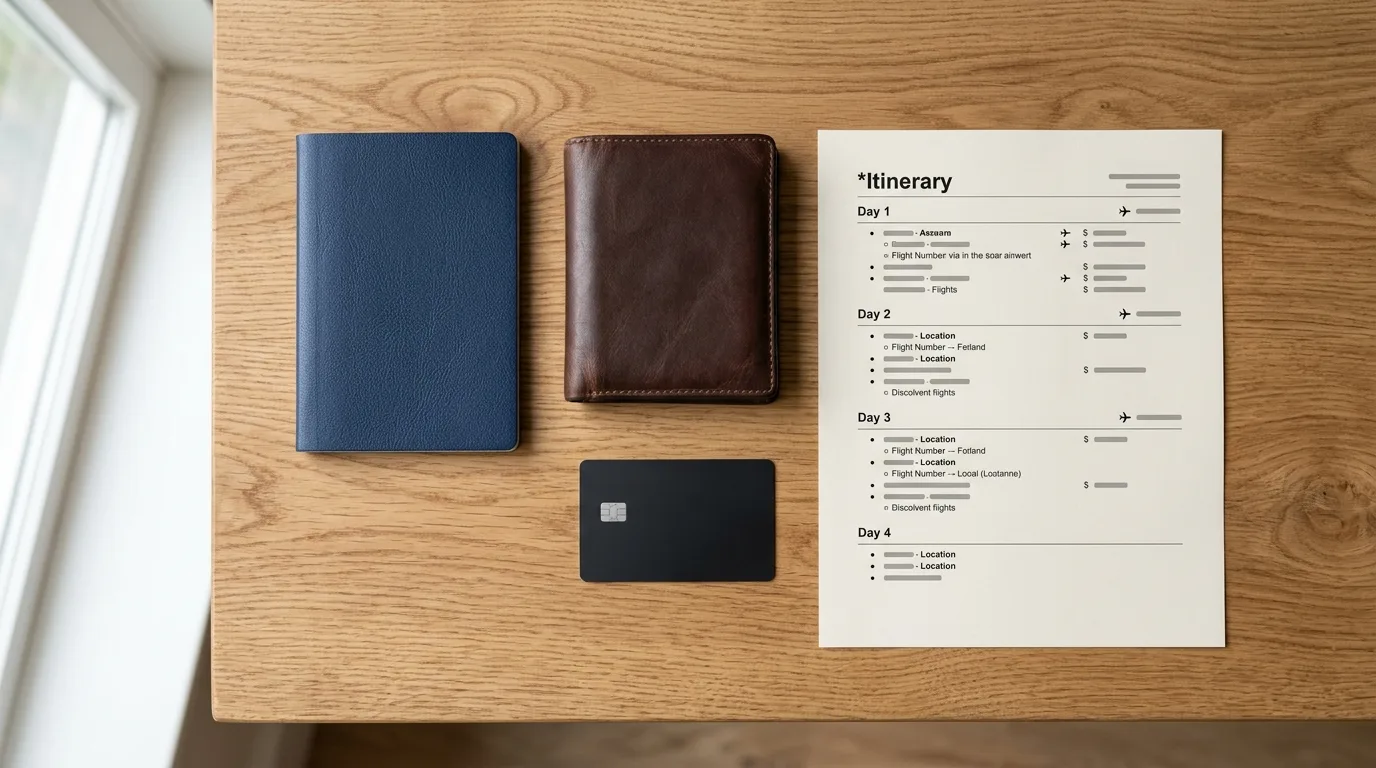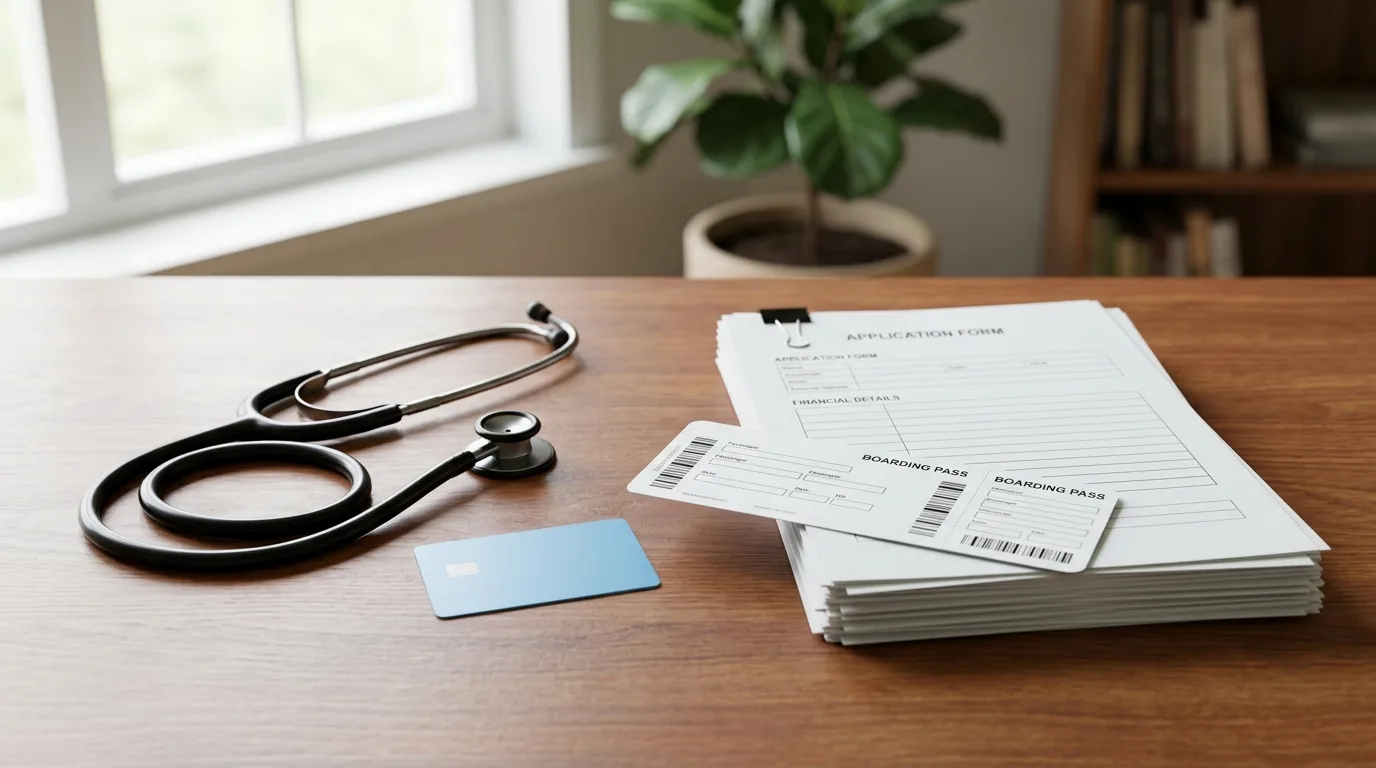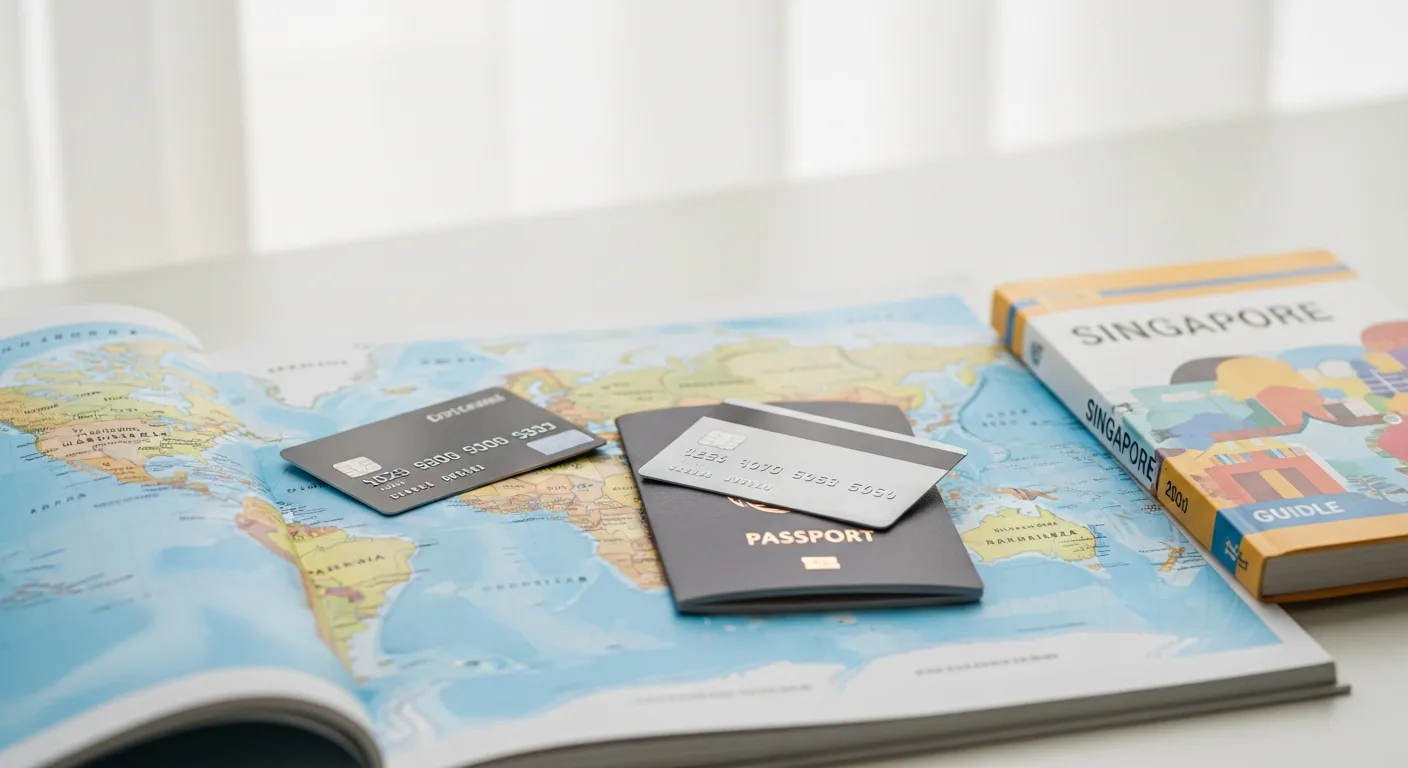
Keep your main US card and add a second one from a different bank, and make sure both have no foreign transaction fees. That pairing protects you if one card is frozen, lost or simply not accepted, and it keeps your US credit history active while you have no local credit in your new country. Whether you're headed to Singapore, Germany, Norway, France or anywhere else, the plan is the same: set it up before you leave, test it, and keep a US address on file.
Which US credit cards should you keep when you move abroad?
Start with what you already have. Don't close your old cards just because you're leaving. The longest-open accounts carry your credit history, and closing them can shorten that history and reduce your total available credit. You'll have no local credit in your new country for a while, so those US accounts are your credit file. Compare current no foreign transaction fee offers.
Then look at what's missing. Most people need two things: a card with no foreign transaction fees for daily spending, and a second card from a different bank as a backup. Most US adults already have at least one card.[1] The question is whether the one you have is the right one to rely on overseas.
Cards you carry should be recommended for good to excellent credit if you want travel perks and no foreign fees. If you only have one card, or it charges foreign fees, that's the gap to fix before you fly.
- Keep: your oldest cards, even if you rarely use them
- Carry: one everyday card with no foreign transaction fees
- Add: a backup from a different bank, ideally on a different network
- Leave at home: store cards and anything that only works in the US
Already know what you want? Moving abroad turns your US cards from a convenience into your main way to pay. Here's how to set them up so one problem doesn't leave you stuck.
Learn MoreWhy do no foreign transaction fees matter so much?
On a vacation, a foreign fee is a small annoyance. When you live somewhere, it's on everything. Say you spend $3,000 a month on groceries, transit, dining and bills. A card that adds a 3% foreign fee costs you $90 a month, or $1,080 a year, and you get nothing for it.
Fees like this are charged on every purchase made in another currency, and some are also charged on purchases made with a foreign merchant online. Check the card's terms and confirm it says it has no foreign transaction fees before you rely on it.
This is a minimum requirement for any card you carry abroad. Rewards and perks come second.
If you're moving with a partner, each person should have at least one no foreign transaction fee card in their own name. An authorized user card depends on the primary holder's account.
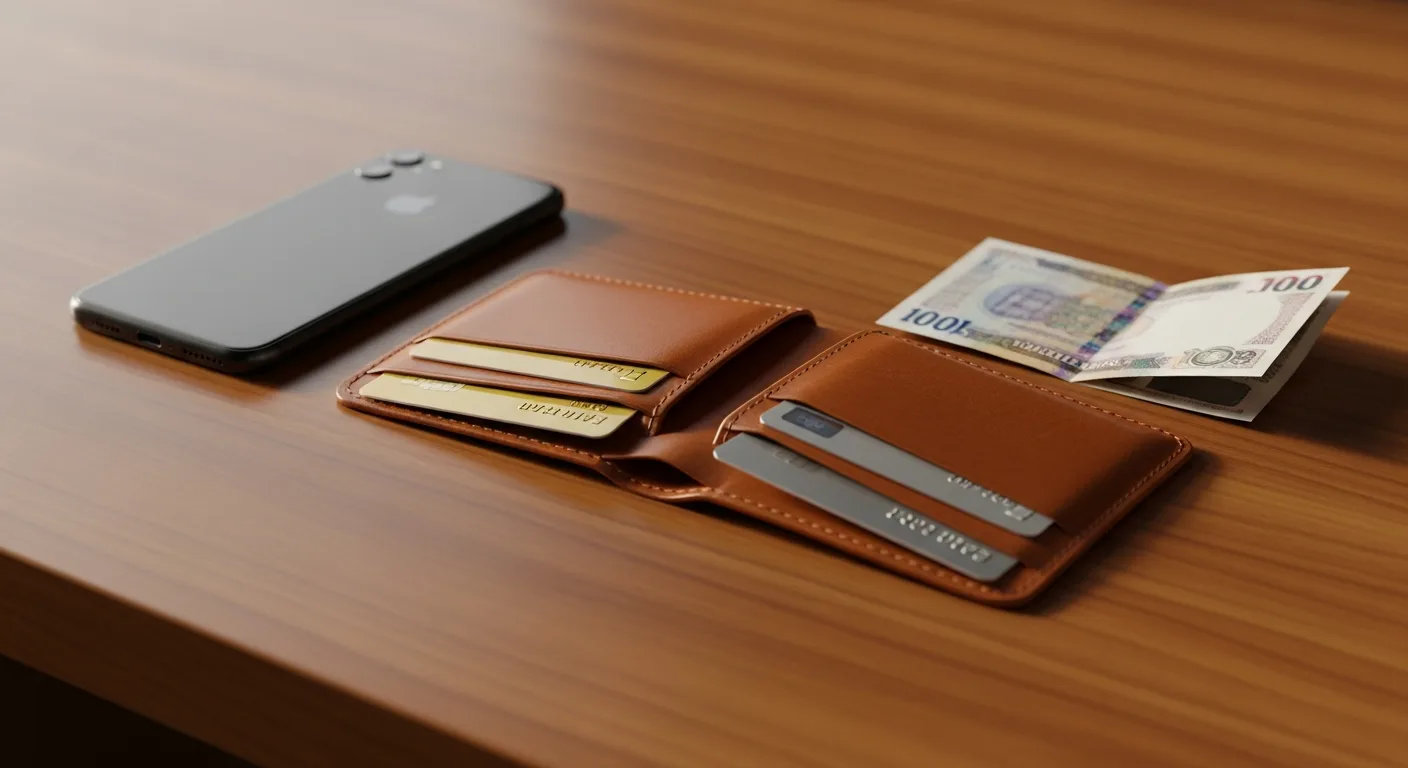
Fraud alerts on your phone make it easier to spot and fix a frozen card while you're abroad.
Why do you need a backup card?
The most common problem abroad isn't a stolen wallet. It's your own bank freezing your card after a train ticket, a grocery run and a phone bill in a new currency all show up in one day. If that's your only card, you could be on hold from a different time zone while rent is due.
Fraud is a real thing too. Sixteen percent of US adults reported experiencing fraud involving a credit card in 2025.[2] A second card from a different bank means one frozen or compromised account doesn't leave you with nothing.
Different bank matters. If both cards come from the same issuer, one outage or one fraud flag can take both down. A different payment network helps too, since acceptance can vary by country and merchant. Debit is not a full substitute: it pulls straight from your bank account and usually has weaker fraud protection.
- Apply at least four to six weeks before you leave
- Activate it and make a few small US purchases so the account is live
- Check that the issuer has an international support line and a working app
- Store the card details somewhere secure in case a physical card is lost
- Tell a trusted person back home which cards you carry
Travel Rewards Offers
Ready to add a backup card before you go?
| Card role | Best used for | What to look for |
|---|---|---|
| Everyday card | Groceries, transit, dining, bills | No foreign transaction fees, flat-rate or flexible rewards, no annual fee if possible |
| Backup card | Anything if the first card is frozen or declined | Different bank and network, international support, app access |
| Old US cards | Keeping credit history alive | Open, small recurring charge, autopay in full |
| Cash or debit | Merchants that don't take cards | Small local-currency reserve |
How do you keep your US credit alive when you have no local credit?
Moving abroad doesn't pause your US credit file, and a foreign country won't have a record of you. That means the cards you keep are what you'll have to show when you return or need to apply for something later.
Put a small recurring charge, like a streaming subscription, on each card you want to keep open. Set autopay to pay the full balance from a US bank account you keep open. A missed payment from overseas can hurt a history you spent years building, and autopay helps reduce that risk.
Keep a US mailing address on file with every issuer. A trusted family member or a mail-forwarding service can work. That's how replacement cards and statements reach you. Also keep your US phone number active if you can, since many issuers use it to confirm your identity.
Should you apply for new cards before or after you move?
Before, if you can. Applications are simpler with a US address, a US phone number and US income documents. From abroad, you may run into address and identity checks, and a physical card could take weeks to reach a foreign address. You can still apply later, but it's less convenient.
If you're adding two cards, space the applications a few weeks apart rather than doing them on the same day. Also remember that no card is guaranteed. Look at which credit range a card is recommended for, and choose cards that fit your situation.
A move also brings big costs like flights and deposits. If you'd spend that money anyway, a sign-up bonus minimum could be easier to reach, but only if you can pay the balance in full.
What changes in Singapore, Germany, Norway and France?
The basic plan is the same everywhere, but each country has quirks. In Singapore, cards are widely accepted in malls and restaurants, but hawker stalls and some markets prefer cash or local payment apps. Keep a small amount of local cash.
In Germany, cash and local debit cards are still common at smaller shops, and a fraud flag on your first few foreign purchases is a real risk. That's the case for a tested backup from a different bank. In Norway, cards and mobile payments are used almost everywhere, but acceptance can vary by network, so carrying cards on two networks helps.
In France, cards are widely accepted, but you may find that some machines, like toll booths and unattended kiosks, are picky about foreign cards. Carry both cards and a bit of cash. In every country, you'll likely need to set up a local bank account for rent and payroll, and your US cards cover the gaps until then.
Compare Current Offers
Set up your cards before you leave
Compare no foreign transaction fee cards recommended for good to excellent credit, and check out top offers available now.

Keeping a US address, autopay and a few recurring charges in place helps keep your US credit active while you're away.
Learn More About Top OffersFrequently Asked Questions
Which US credit cards should you keep when moving abroad?
Why does a no foreign transaction fee card matter when you live abroad?
How do you keep your US credit alive while living abroad?
Should you get a backup card before moving abroad?
Do you need to tell your card issuer you're moving?
Can you open a US credit card after you move abroad?
Do you still need cash when living abroad?
The Bottom Line
Moving abroad doesn't mean you need a wallet full of cards. Keep your oldest US accounts open, carry one everyday card with no foreign transaction fees, and add a backup from a different bank. Set up autopay, keep a recurring charge on each card, and put a US address on file.
Do it before you go. Test the cards with a few small purchases, save the international support numbers, and keep a little cash for places that don't take cards. Then you can check out top offers available now and pick the cards that fit.