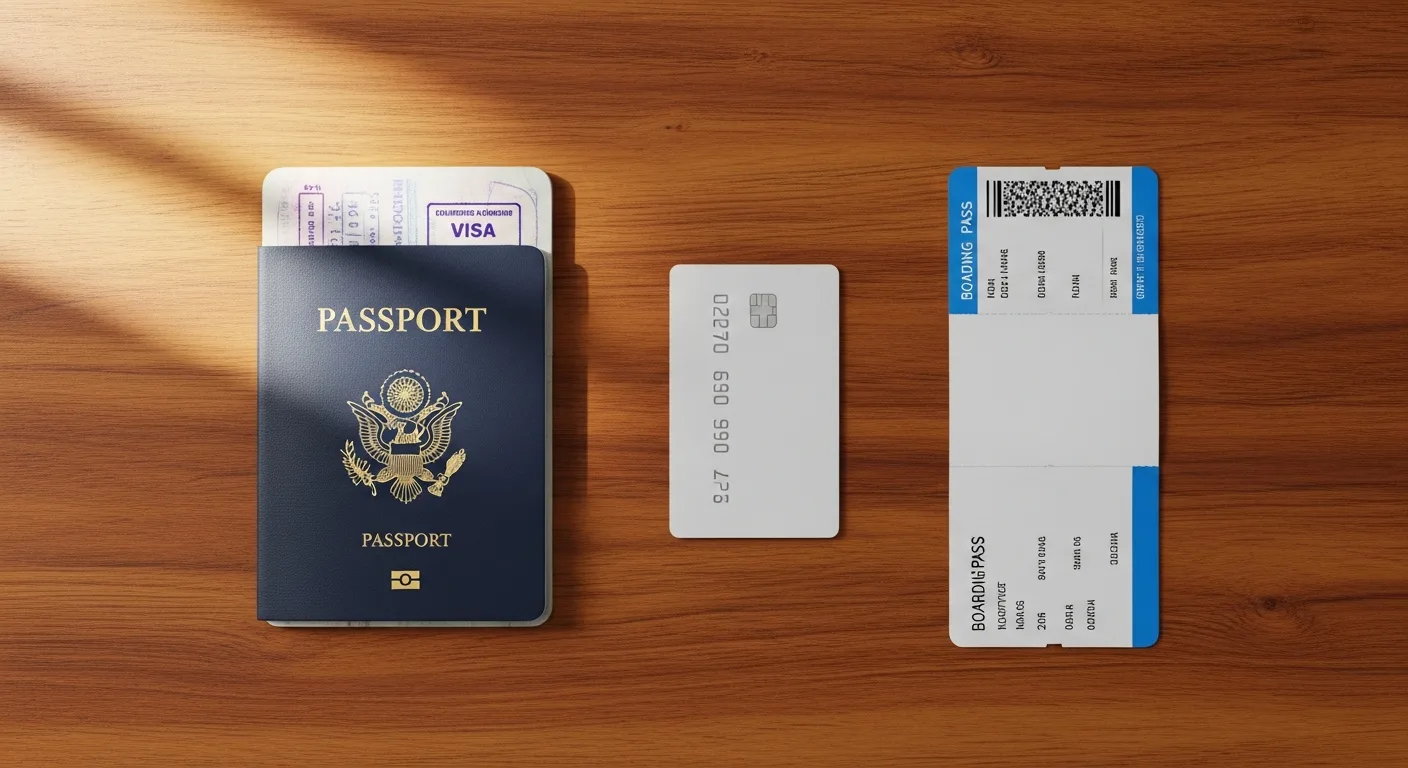
The best travel card for a cruiser who lives near the port is usually a flexible rewards card with no annual fee or a low one, not an airline or hotel card. You're driving to the ship, so you don't need flight perks, and if you aren't loyal to one cruise line, points that can cover any travel purchase are worth more than points tied to a single brand. This guide shows what to look for, what to skip, and how to check the math before you apply. These cards are generally recommended for good to excellent credit.
Key Takeaways
- If you drive to the port and book different cruise lines, a flexible rewards card usually fits better than an airline, hotel, or single-cruise-line card.
- Look for a card that earns on travel and dining, has no foreign transaction fee, and has an annual fee you could realistically earn back.
- Your cruise fare is only part of the cost. Onboard spending, excursions, gas, parking, and pre-cruise hotel nights can all earn rewards too.
Why does living near a port change which card you need?
Most travel card advice assumes you're flying. Airline miles, airport lounge access, and hotel status are big selling points, but they do little for you if you pack the car and drive to the dock. You'd be paying for perks you never touch. Compare current offers.
You're not alone in driving, either. In a December 2025 survey, 52% of U.S. cruisers said driving was their main way of getting to the embarkation port.[1] For those travelers, the card should reward what they actually buy.
That means gas, parking, a pre-cruise hotel night if you want one, the cruise fare itself, and everything you spend once you're on board or in port.
Already know what you want? Not sure which card fits a drive-to-the-port cruiser? Compare current travel card offers and see which perks actually match how you cruise.
Learn MoreWhat features matter most on a cruise-only card?
Start with how the card earns. A card that gives extra rewards on travel purchases will usually cover the cruise fare, and one that also rewards dining and gas covers a lot of the rest of your trip.
Next, look at how you can use the rewards. Flexible points that can be redeemed as a statement credit toward travel purchases are more useful than points locked to one brand, especially if you try different cruise lines.
Finally, check the fees. If you'll be in foreign ports, a card with no foreign transaction fee keeps small purchases from costing extra.
- Rewards on travel, dining, and gas
- Flexible redemption, including statement credits for travel purchases
- No foreign transaction fee for time in foreign ports
- Travel protections such as trip delay or trip cancellation coverage
- An annual fee you can realistically earn back, or no annual fee
Trip protections have conditions and limits. Read the card's guide to benefits to see what's covered, and whether your cruise line's own insurance or a separate policy would add anything.
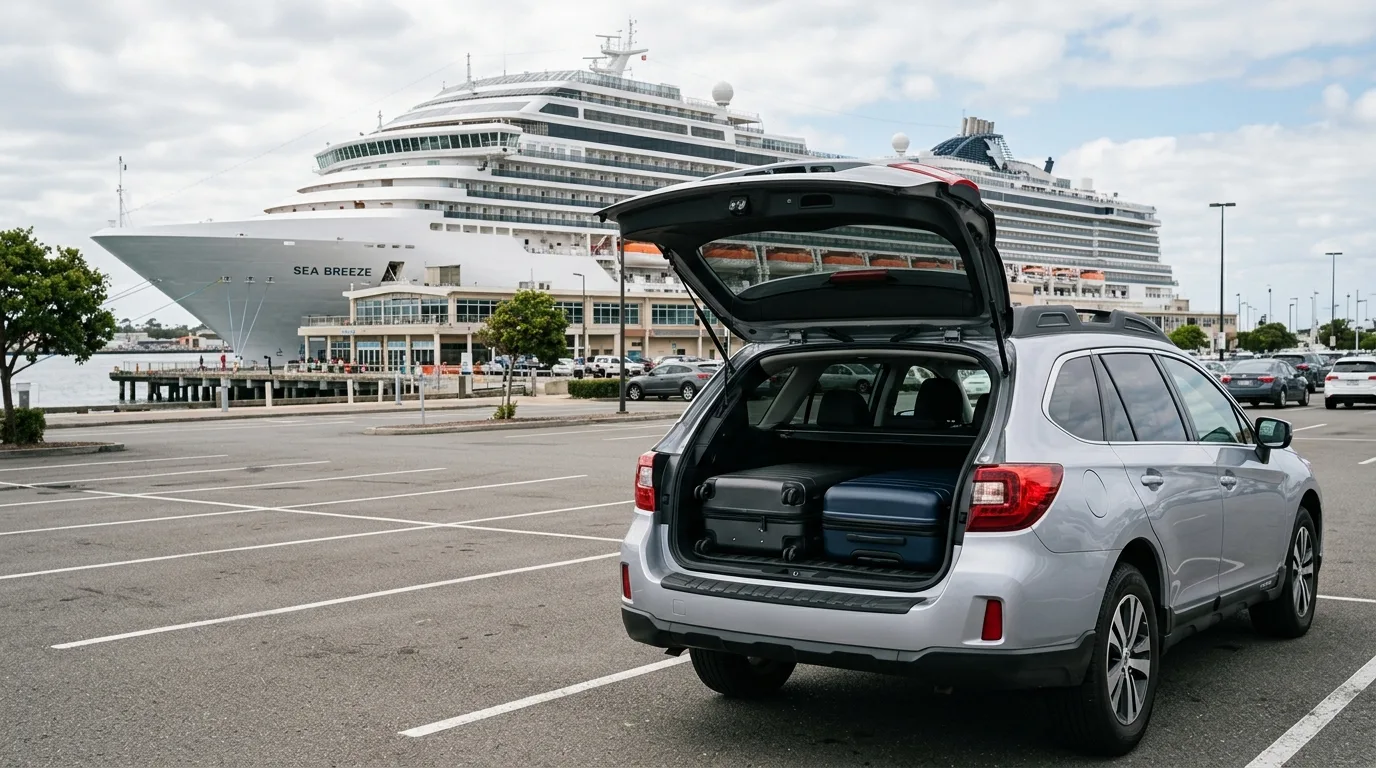
Gas and parking at the port are everyday costs that a flexible rewards card can earn on.
Should you get a cruise line card or a flexible travel card?
A cruise line card can make sense if you sail with the same line every time. You might earn onboard credits or perks that a general card doesn't offer.
If you're not loyal to one line, though, those rewards are harder to use. You'd be limited to a single company, and if you switch lines next year, your points may be worth much less.
A flexible card gives you freedom. You can book whichever cruise has the best itinerary or price, and your rewards still work. For most people who live near a port and shop around, that flexibility is worth more than a brand-specific perk.
Travel Rewards Offers
Ready to compare cards for your next cruise?
How do you know if an annual fee is worth it?
Do the math with your own numbers. Say you spend $3,000 a year on cruise-related costs, including the fare, gas, parking, and onboard purchases. At 2% back, that's $60 in rewards. If a card charges more than that in annual fees and its perks don't cover the gap, you'd come out behind.
Now say the same card earns 3% on travel and dining and you put $5,000 a year on it. That's $150 in rewards before counting any credits you'd really use. A fee below that could make sense. A fee well above it probably won't.
Cruisers also tend to spend a lot beyond the fare. Embarking passengers at U.S. ports spent an average of $320 per person in 2024, not counting the cruise fare.[2] Those purchases can earn rewards on the right card.
If you cruise once a year and don't want to track credits, a no annual fee card is often the simpler, safer choice.
What's the smartest way to use the card for a cruise?
Put the cruise fare on the card only if you can pay the balance in full. Rewards rarely outweigh interest, so a card that earns 2% back could lose its value fast if you carry a balance.
Use it for everything else around the trip too: gas to the port, parking, a hotel the night before, and dining. Keeping the spending on one card also makes it easier to track.
If you want to finance part of the trip, a 0% intro APR card is a different tool from a rewards card, and it only works if you pay it off before the intro period ends.
Compare Current Offers
Find a card that fits the way you cruise
Check out top travel card offers available now and compare rewards, fees, and perks side by side.

Working out your yearly cruise spending shows whether an annual fee could pay for itself.
Learn More About Top OffersFrequently Asked Questions
What kind of travel card is best for cruising if I drive to the port?
Should I get a cruise line's own credit card?
Is an annual fee worth it for a cruise-only card?
Do I need a no foreign transaction fee card for a cruise?
Does a travel card include cruise travel insurance?
What credit score do I need for a travel card?
Can I use a travel card for onboard spending?
The Bottom Line
If you live near a cruise port and don't need airline or hotel rewards, a flexible travel rewards card is usually the best fit. It earns on the spending you actually do, and it won't tie your points to one cruise line.
Add up a year of cruise-related spending, compare it to the annual fee, and pay the balance in full. If the numbers don't clearly work, a no annual fee card is the safer way to go.