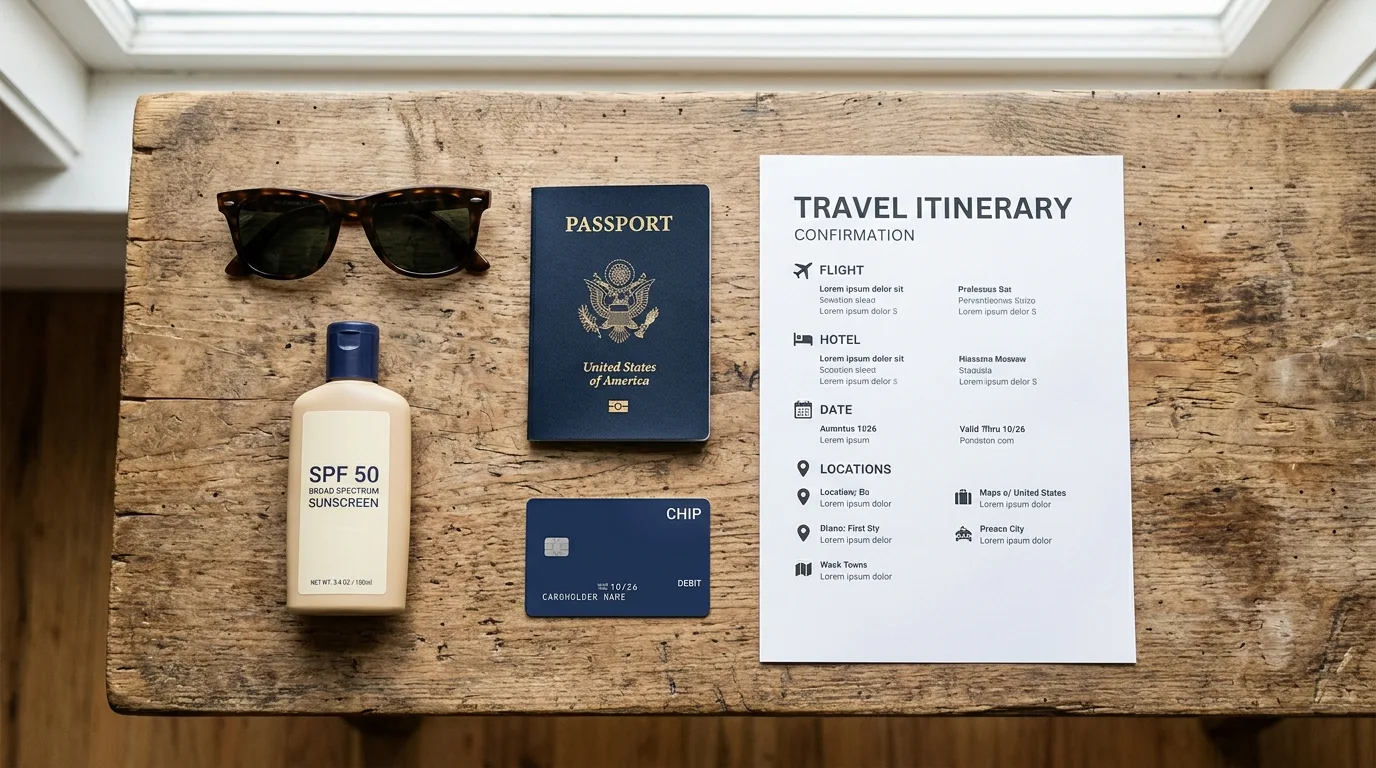
A new travel card can be worth it for an all-inclusive resort package, but only if you check how the booking will be charged first, because the same trip can earn very different rewards depending on who processes the payment. A resort booked directly usually codes as a hotel, while a package sold through a booking site may code as a travel agency, or split into separate hotel and flight charges. If you're opening a card just for this trip, that uncertainty is the main risk to plan around.
Key Takeaways
- A resort package can code as a hotel, an airline, or a travel agency, and a card's bonus categories may treat each one differently.
- Check how the card defines travel and where you'll book before you apply, not after the charge posts.
- If the rewards on this one booking are the only reason to apply, the card may not pay off; look at the sign-up spend and your longer-term travel plans too.
Why can a resort booking code as a travel agency?
Every card purchase is tagged with a merchant category code based on the business that charges you. That tag helps determine whether a purchase counts as dining, groceries, hotels, airlines, or something else. Compare current travel card offers.
If you pay a resort directly, the charge usually comes through as a hotel. But if you book through an online travel agency, a vacation package seller, or a tour operator, the business collecting your money is the agency. The charge may code as a travel agency, and some cards count that as travel while others don't.
A package can also split. The hotel portion may post under one name and the flight under another, sometimes days apart. Each piece can earn at a different rate.
This confusion shows up on statements too. In one CFPB report, up to 24% of consumers who disputed a card transaction said they did so because they didn't recognize the description on their statement.[1] Package charges with unfamiliar names are a common example.
Already know what you want? Planning an all-inclusive trip? Check how your booking may be charged before choosing a travel card.
Learn MoreDoes it matter how the card defines travel?
Yes, and this is the part most card roundups skip. Some cards give bonus rewards only for specific categories like airlines and hotels. Others use a broader definition of travel that includes agencies and tour operators. A few limit bonuses to purchases made through the card's own booking portal.
So a card that looks great for travel may pay only the base rate on a package booked through an agency. Read the rewards terms and look for how travel is defined, not just the headline earning rate.
Also check whether prepaid packages are treated differently from charges made at check-in. Some resorts take a deposit up front and the balance later, and the two charges may code differently.
- Booked directly with the resort: usually codes as a hotel
- Booked through an agency or package seller: may code as a travel agency
- Flight bundled in: may split into a separate airline charge
- Booked in a card's own portal: often earns the portal rate, if the card has one
Ask the seller what name will appear on your statement and whether the charge will be split. Their answer tells you far more than a guess about the category.

Comparing booking options before you pay can show whether a charge will code as a hotel or an agency.
Is a new card worth it just for this trip?
Maybe, but be honest about what you're counting on. Say your package costs $4,000 and the card earns 3x points on travel. That's 12,000 points if everything codes as travel. If it codes as a travel agency and earns the base 1x, you'd get 4,000 points. The gap is real, but it's not so large that you should apply on hope alone.
Sign-up bonuses are a bigger factor, and they come with a spending requirement. About one-fourth of U.S. cardholders eligible for a sign-up bonus failed to meet its requirements in 2022.[2] A resort package can help you reach the minimum in one purchase, but only if the charge goes through on that card and counts toward spend. Purchases of any type generally count toward the minimum, even if they don't earn bonus rewards, but check the terms.
If you'd use the card for other travel after this trip, the case gets stronger. If this is your only trip this year, the rewards may not justify the effort.
Travel Rewards Offers
Want to see travel cards side by side?
| How you book | Likely charge type | Rewards risk |
|---|---|---|
| Directly with the resort | Hotel | Lower; usually counts as hotel spend |
| Directly with the airline | Airline | Lower; usually counts as airline spend |
| Through an agency or package seller | Travel agency | Higher; depends on the card's travel definition |
| Through a card's own booking portal | Portal purchase | Depends on the card's portal rate |
| Bundled flight and hotel | May split into several charges | Higher; each part may earn differently |
How can you lower the risk of missing rewards?
Start with the booking, not the card. Decide where you'll book, then pick a card whose travel definition matches. If you can book directly with the resort and the airline, you get the most predictable coding.
If you do use an agency or package, pick a card with a broad travel definition, or one that clearly rewards purchases made through its own booking tool. Keep your confirmation emails and receipts so you can show what you bought if something looks off.
Rewards problems are not rare. The CFPB received more than 1,200 consumer complaints involving credit-card rewards in 2023, more than 70% above pre-pandemic levels.[3] Saving your paperwork and checking your statement soon after the charge posts makes it easier to raise an issue early.
Issuers generally follow the merchant's code. Treat any bonus on a package as a maybe, and make sure the trip still makes sense if you only earn the base rate.
What should you check before you apply?
Walk through a short list before you open anything. This keeps you from applying for a card because of one booking.
Cards are recommended for good to excellent credit in most cases, so make sure your credit profile fits the range the card is aimed at. Also confirm you can pay the balance in full. Interest on a large resort bill can erase any rewards you earn.
- How does the card define travel, and does it include agencies?
- Will you book directly, through an agency, or in the card's portal?
- Does the sign-up spend fit your trip budget without overspending?
- Does the card have no foreign transaction fees if you're heading abroad?
- Will you use the card after this trip?
- Can you pay the full balance before interest builds?
Compare Current Offers
Ready to compare travel cards?
Check out top offers available now and match each card's travel definition to how you plan to book.

Checking your statement soon after a big travel charge makes it easier to catch coding surprises.
Learn More About Top OffersFrequently Asked Questions
Should I open a travel card for an all-inclusive resort package?
Why might a resort package code as a travel agency?
How can I find out how my booking will code before I pay?
Can I ask my card issuer to recode a charge?
Will a package purchase count toward a sign-up bonus minimum?
Is it better to book the flight and resort separately?
Do I need a no foreign transaction fee card for a resort abroad?
The Bottom Line
A travel card is a reasonable move for an all-inclusive resort package if the card's travel definition fits how you'll book and you'd keep using it afterward. If you're applying only for bonus points on this single booking, the chance of a travel agency code or a split charge makes that a weak reason.
Pick how you'll book first, ask what will appear on your statement, and pay the balance in full. Then compare current offers and choose the card that fits the trip you're actually taking.