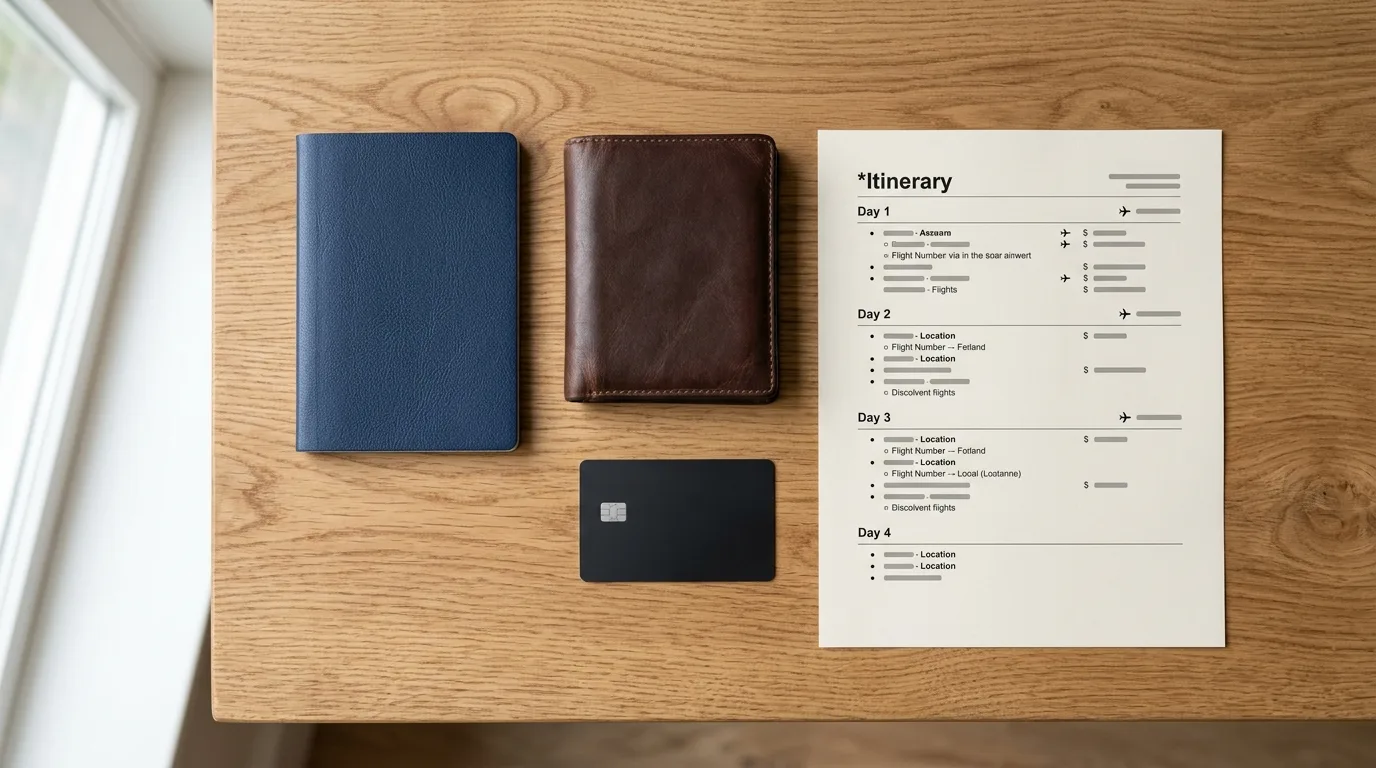
For most travelers, a new no foreign transaction fee credit card is a better fit than a prepaid card for the UK and Ireland, mainly because it gives you stronger fraud protection and fewer ways to lose money. If one payment network is your only option, you also have a real gap: not every merchant abroad takes it, and your debit card charges a foreign fee. A prepaid card can still be useful as a small, low-risk backup, but it shouldn't be your main plan. Here's how to think it through before you go.
Why is relying on one payment network a risky plan abroad?
Your current card isn't a bad card to travel with. The network says it's accepted in more than 185 countries and territories, including the United Kingdom, but it also says acceptance can vary by merchant and location.[1] Compare current offers.
That last part is what matters to you. A small pub, a rural bed and breakfast, a ticket machine at a train station or a taxi may take another network but not yours. You don't want to find that out at a counter in a rainy village.
The fix is simple: bring a second card that runs on a different payment network than your first one. If one gets declined, the other can step in.
Already know what you want? Heading to the UK and Ireland with only one payment network and a fee-charging debit card? Here's the simple way to choose a backup.
Learn MoreWhat does a credit card do better than a prepaid card?
Credit cards are the everyday standard for a reason. In the Federal Reserve's 2024 payment survey, 72% of U.S. adults made a payment with a credit card in the prior month, compared with 20% who used a prepaid card.[2] Merchants everywhere are set up for them.
A credit card also lets you dispute a charge without your own cash being tied up while the issuer looks into it. With a prepaid card, the money is already gone from your balance.
Hotels and car rental counters often place a hold on your card. On a credit card, that hold uses part of your credit limit. On a prepaid card, it can freeze real money you meant to spend on the trip.
Some credit cards also offer travel perks like primary rental coverage. Check the card's terms to see what's included.
If a terminal offers to charge you in dollars, say no and pay in local currency. Dollar conversion at the register often comes with a worse exchange rate.
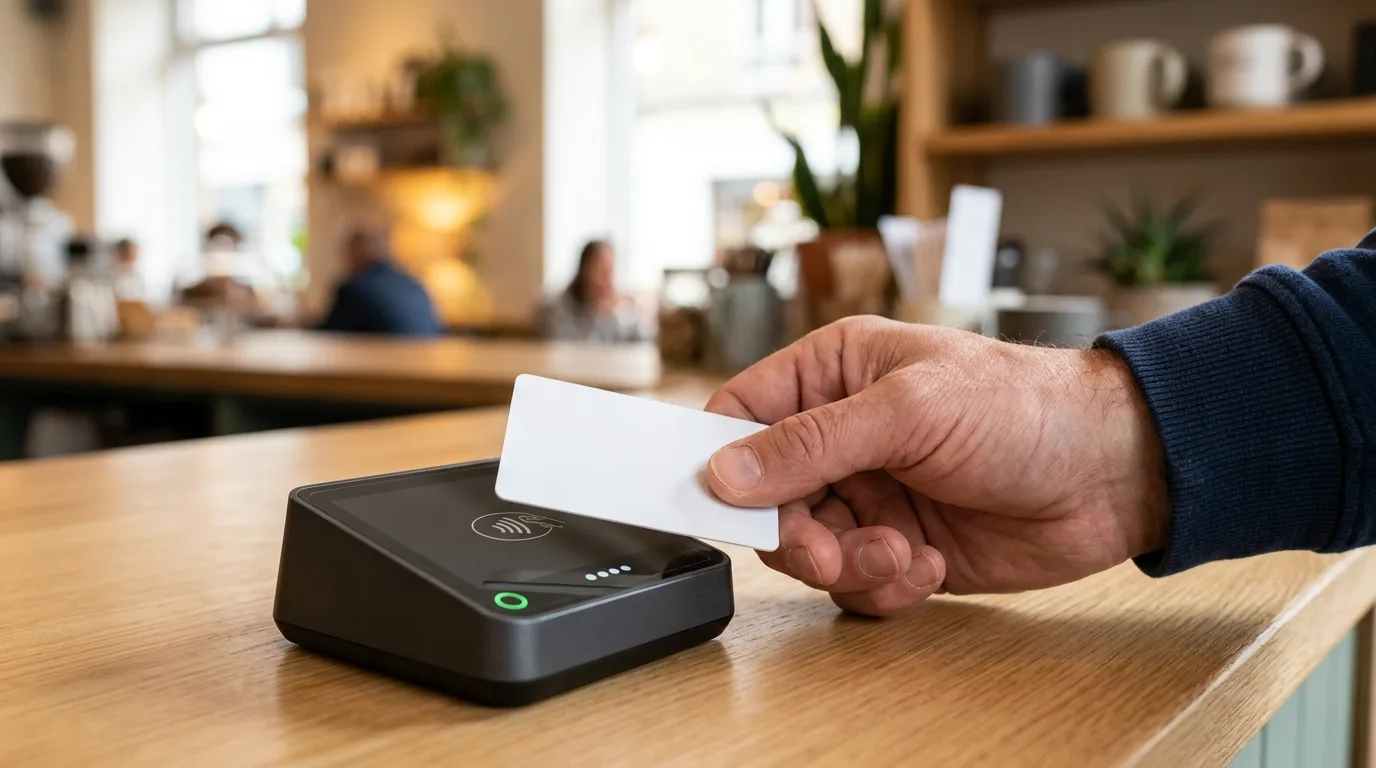
Contactless payment is common abroad, but it helps to carry a card from more than one network.
When does a prepaid card make sense?
A prepaid card can be a decent extra if you want a hard spending cap. You load a set amount, and that's all you can spend. Some people like that for a teenager's allowance-style budget or for a back-pocket emergency fund.
The downsides are real. Some prepaid cards charge fees to load money, to withdraw cash, or to convert currency. Some prepaid cards begin charging inactivity fees after 90 days to 12 months without qualifying activity.[3] That matters if you buy the card early and it sits in a drawer.
If you go this route, read the fee schedule first. Look for foreign transaction charges, ATM costs and whether the card is protected if it's lost or stolen.
- Good for: a spending cap, a spare card in a different bag, or a short trip budget.
- Watch for: load fees, ATM fees, foreign fees, inactivity fees and weaker dispute options.
- Not great for: hotel holds, car rentals or a main card.
Travel Rewards Offers
Ready to look at no foreign fee options?
| Option | Best use abroad | Main watch-out |
|---|---|---|
| Current card | Backup card | Acceptance can vary by merchant |
| No foreign fee credit card | Main everyday card | Interest if you carry a balance |
| Prepaid card | Spending-limited backup | Load, ATM and inactivity fees |
| Debit card with foreign fee | ATM cash only | Fees add up on purchases |
How much could a foreign fee on your debit card cost?
Here's a simple example with made-up numbers. Say you spend $2,000 on your trip and your debit card charges a 3% foreign fee. That adds $60. It isn't ruinous, but it's money you didn't need to spend.
If you spend that same $2,000 on a card with no foreign transaction fee, that extra $60 isn't there. Your own card's terms will tell you the exact fee.
So a debit card makes the most sense as a cash tool, not your main spending card. Before you travel, ask your bank which ATMs are in its network and what each withdrawal will cost. Taking out larger amounts less often can keep per-withdrawal charges down.
What's the best setup for your trip?
For most people in your spot, the simplest plan is three layers. Use a no foreign transaction fee credit card from a different network than your current card as your main card. Keep your current card as the backup. Bring a little local cash and use your debit card for ATM withdrawals only when needed.
If you don't want a new credit card, a prepaid card could fill the backup role, as long as the fees are low and you load only what you plan to spend. Just remember it won't replace what a credit card can do.
New credit cards are recommended for good to excellent credit, so think about whether that describes you before you apply. Also let your card companies know your travel dates and keep your cards in separate places while you travel.
One more tip: only apply if you'll use the card responsibly. Pay the full balance each month so you aren't paying interest on vacation spending.
Compare Current Offers
Check out top offers available now
Compare travel-friendly credit cards with no foreign transaction fee before your trip.

Adding up possible fees ahead of time shows whether a prepaid card is worth carrying.
Learn More About Top OffersFrequently Asked Questions
Should I get a credit card or a prepaid card for the UK and Ireland?
Is one payment network enough for a trip to the UK and Ireland?
Should I use my debit card with a foreign fee instead?
Do prepaid cards have fees?
Are prepaid cards common in the US?
Should I pay in dollars or local currency abroad?
Do I need to tell my card company I'm traveling?
The Bottom Line
If your current card is your only card, add a no foreign transaction fee credit card from a different network as your main card for the UK and Ireland. It's the most flexible and protective choice for hotels, trains, shops and rental counters.
Treat a prepaid card as an optional backup, not a replacement, and use your fee-charging debit card mainly for emergency cash. Compare current offers before you go, and read the fee terms carefully.