A business credit card can be worth getting even if your biggest bills are ACH payments to contractors, but only if you have enough other spending to put on it, or if you value the bookkeeping and cash-flow benefits. ACH is how most business money moves, so your largest invoices probably won't earn rewards no matter what you do. The real question is what your smaller, card-friendly costs add up to, and whether a card helps you stay organized and keep business spending separate.
Key Takeaways
- Contractor invoices that require ACH usually can't earn card rewards, so judge a card by your other spending, like software, ads, and travel.
- Paying a contractor by card often means a processing fee, which can wipe out rewards, so check the math before you try it.
- A no annual fee business card can still help with bookkeeping and cash flow even if your rewards are modest.
Why do contractors want ACH in the first place?
ACH is the standard way businesses pay each other. It's cheap for the person getting paid, and it's built for larger transfers. When a contractor accepts a card, they usually pay a processing fee on every charge, so many of them would rather avoid it, especially on a big invoice. Compare current business card offers.
The numbers back this up. ACH payments represented 74% of the value of U.S. noncash payments in 2024, while cards represented 8%.[1] The average business ACH credit transfer originated was $8,162 in 2021.[2] That's the kind of payment a contractor doesn't want to lose a slice of to card fees.
So if your contractor says ACH only, that's normal, and it doesn't mean you're doing anything wrong. It just means your biggest costs probably won't earn rewards.
Already know what you want? Wondering if a business card makes sense when most of your money goes out by ACH? Here's a straightforward way to decide.
Learn MoreWhat could a business card still do for you?
Most freelancers have more than contractor invoices. Software subscriptions, ads, a co-working desk, internet, supplies, and work travel all tend to take cards easily. A card could earn cash back on those, even if the large invoices stay on ACH.
Here's a simple example. Say you spend $1,500 a month on card-friendly business costs and your card earns 2% back. That's $30 a month, or $360 a year. Not life-changing, but it's something for spending you'd do anyway.
There's a non-rewards benefit too. A card gives you one place where business purchases land, with a clean statement you can use at tax time. Fifty-six percent of U.S. employer firms used credit cards on a regular basis in 2023, so this is a common tool.[3] If you're a freelancer mixing business and personal costs, separation alone can save you hours.
Add up three months of expenses that actually accept cards. If the total is small and you won't use the card for bookkeeping, a business card may not be worth the extra account.

Comparing a rewards rate to a processing fee shows quickly whether paying a contractor by card makes sense.
Should you pay contractors by card to earn rewards?
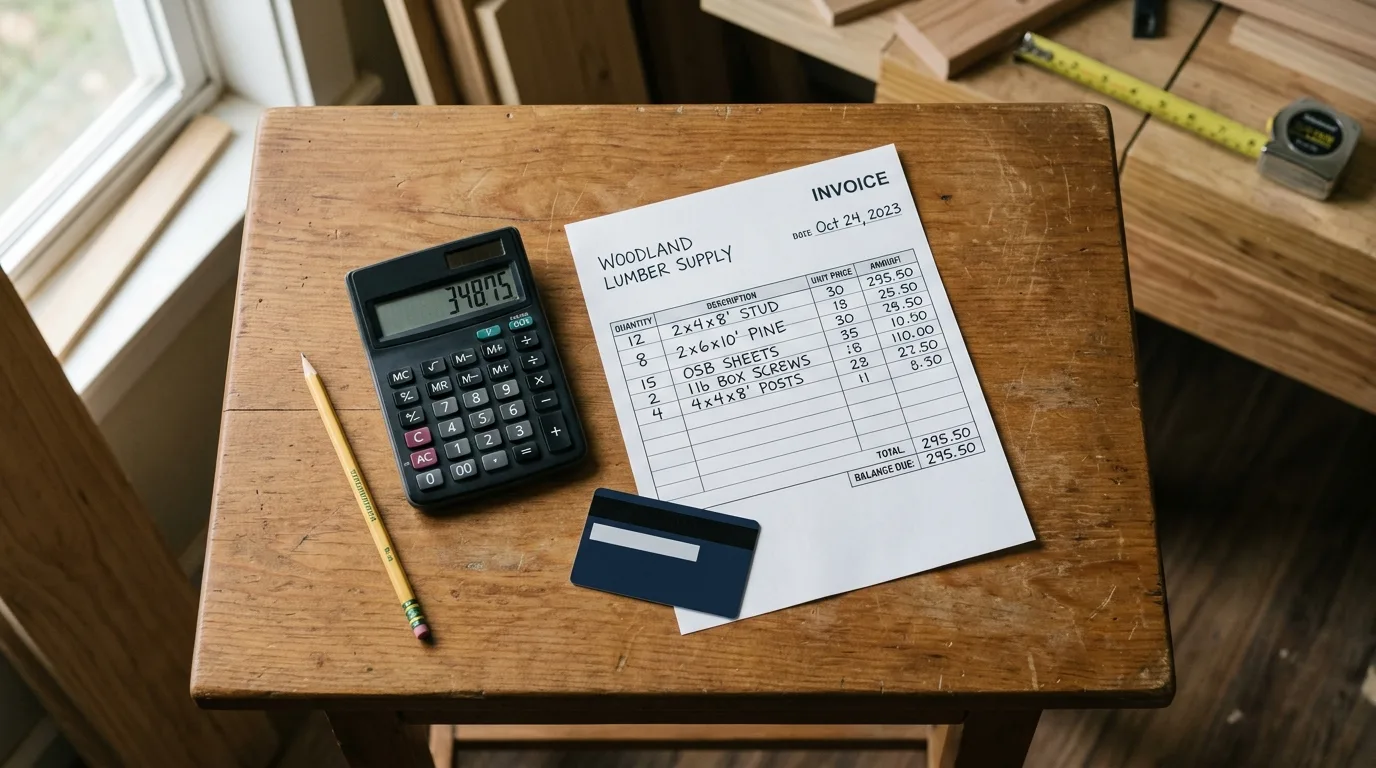
You can, but think carefully. Some contractors take cards directly. Others can be paid through a payment service that charges by card and delivers the money by ACH. Those services usually add a fee, and that fee is often a percentage of the payment.
Run the math before you try it. Suppose you pay a $4,000 invoice by card and earn 2% back, which is $80. If the service charges a fee of 3%, that's $120. You'd be down $40 before counting anything else. The rewards only win when they're larger than the fee.
The other issue is that a large charge can eat up your credit limit, and carrying a balance would cost you interest that cancels any rewards. If you do pay this way, pay the full balance on time. And there's no rule that says you need to chase rewards on contractor payments at all. Many freelancers just leave those on ACH and keep it simple.
Business Cards Offers
Want to see what's out there for freelancers?
How do the options compare?
Here's a quick look at the choices freelancers usually weigh. Which one fits depends on how much card-friendly spending you have and how much you value simplicity.
Is a business card worth it for bookkeeping and cash flow?
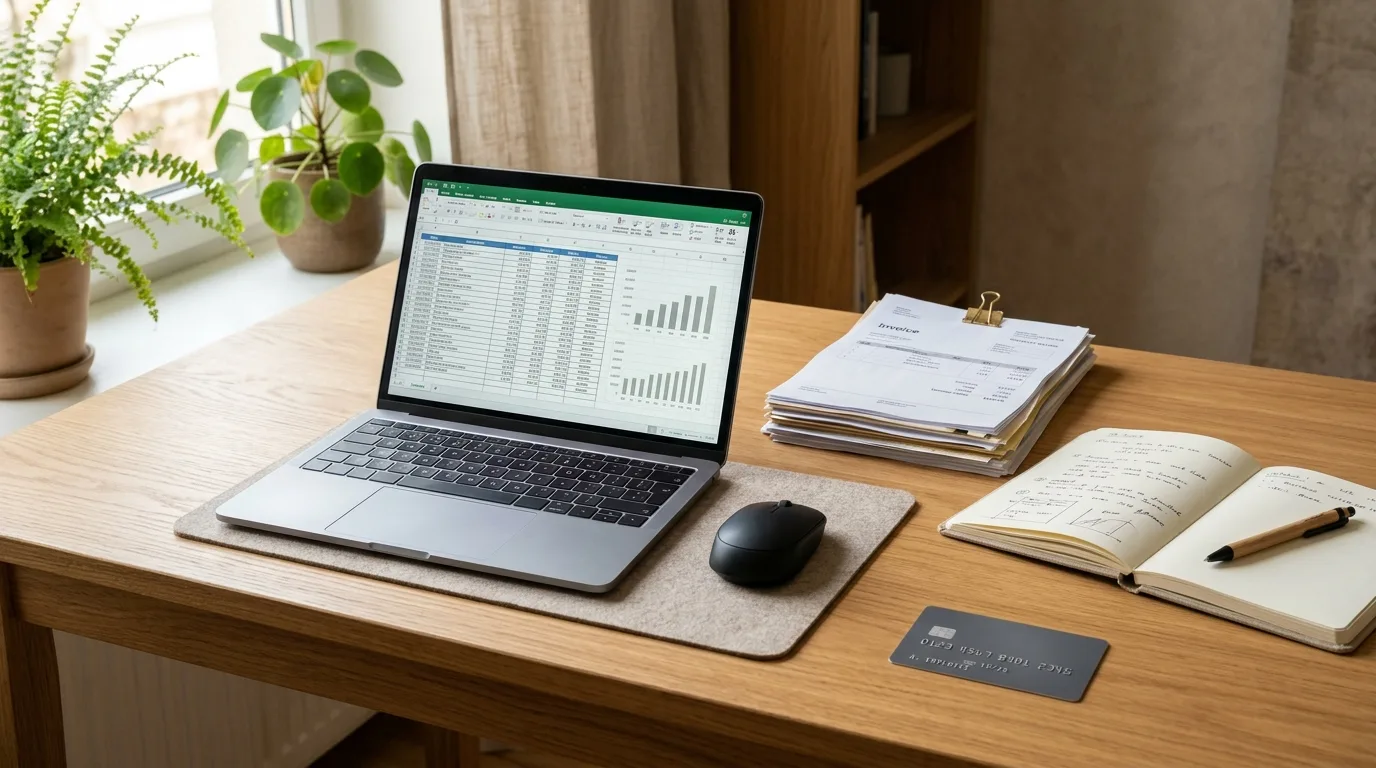
Yes, for many people. Tracking is easier when business expenses all run through one account. Many accounting tools can pull in card transactions automatically, which could save you time and reduce missed deductions.
Cash flow is the other piece. A card can give you a short gap between buying something and paying for it, which helps when a client pays late and a contractor invoice is due. Just be careful: this helps only if you pay the statement in full. A card used to float spending you can't cover mostly adds interest.
If your contractor costs are lumpy, keep ACH for them and use the card for the steady, small stuff. That mix tends to be easier to manage and easier to explain to an accountant.
- Keep a cash cushion for contractor invoices so ACH payments never depend on the card.
- Pay the statement balance in full each month to avoid interest.
- Review your card statement monthly to catch subscriptions you've forgotten.
What should you look for in a card?
With limited card-friendly spending, keep it simple. A no annual fee card with flat-rate cash back means you earn something on every purchase and don't pay to keep the card. Business cards are generally recommended for those with good to excellent credit, so check what range an issuer suggests.
Skip cards with big annual fees unless your category spending clearly covers them. Also watch for features that are actually useful to you, like employee cards if you hire help, expense tracking, and easy exports to your accounting software.
When you're ready, you can compare current business card offers and weigh the rewards against your own numbers.
Compare Current Offers
Ready to look at business cards?
If a card fits your smaller expenses, check out top offers available now and compare rewards and fees side by side.
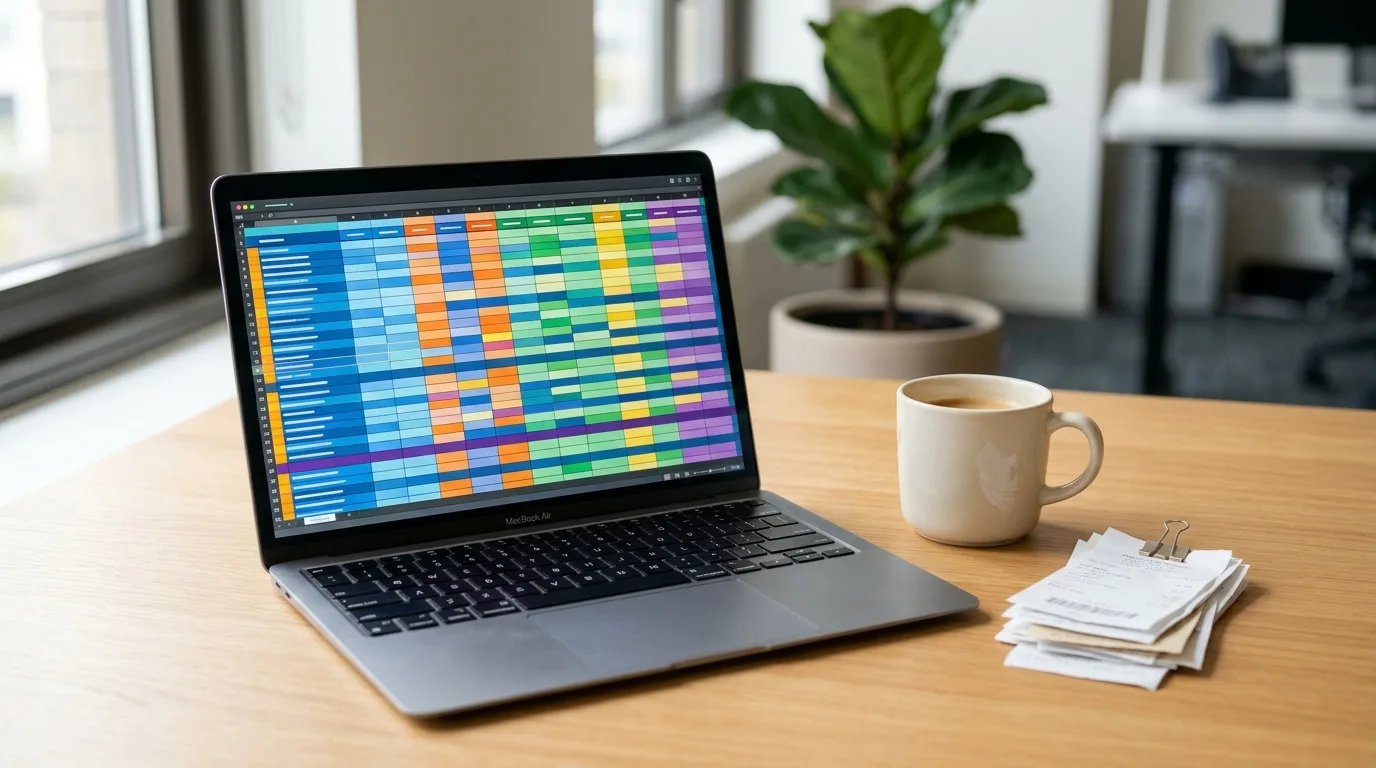
Running business costs through one card makes expense tracking and tax time simpler.
Learn More About Top OffersFrequently Asked Questions
Should I get a business credit card if my contractors want ACH?
Can I pay contractors by card instead of ACH?
What kind of business card fits a freelancer with mostly ACH expenses?
Do I need an LLC to get a business credit card?
Will a business card help with taxes?
Is it a good idea to carry a balance to cover a contractor invoice?
The Bottom Line
A business card is worth getting if you have enough card-friendly spending or you want cleaner books, even when your largest contractor bills stay on ACH. Don't expect rewards on those big invoices, and don't pay a fee to force them onto a card unless the math clearly works.
Start by adding up your regular non-ACH costs. If they're meaningful, a no annual fee card with simple cash back is a sensible, low-risk fit. If they're tiny, you can skip it and keep things simple.