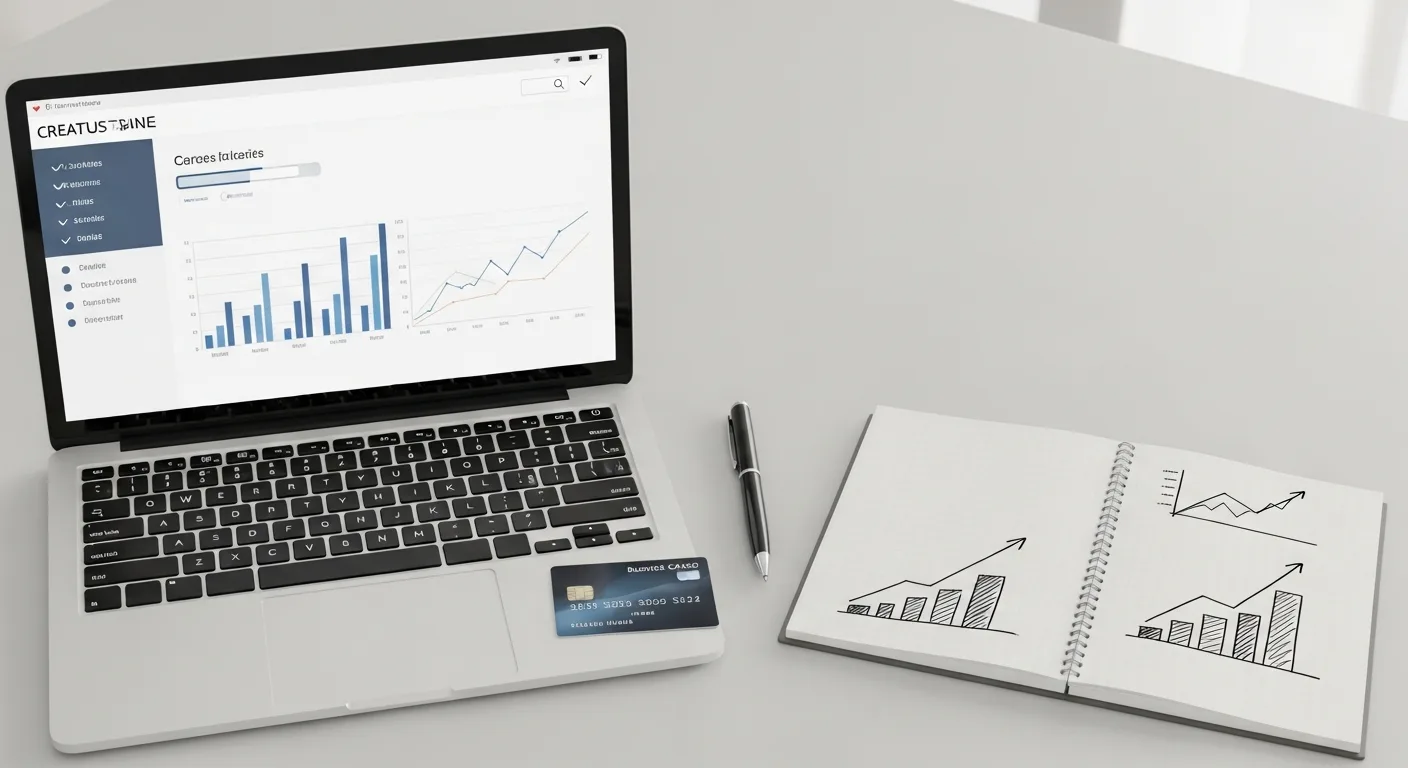
The best way to choose a startup business card is to match the product to what your company is strongest at: traditional business cards lean on your personal credit, while startup and corporate card programs lean on your funding, cash balance, and revenue. If you've raised money or your revenue is growing fast, you often have more options than you think, but each type of card looks at a different part of your story. Here's what issuers weigh, and how to pick the right lane before you apply.
What do issuers look at for a startup business card?
Issuers want to answer one question: how likely is this business to repay what it spends? A startup has little history to show, so they look at other signals. Compare current business card offers.
With a traditional business card, the biggest signal is usually you. Your personal credit profile, your income, and your existing debts often count for more than the company's track record, since the company may be only a year or two old. These cards are generally recommended for good to excellent personal credit.
They also look at the basics of the business: its legal name, structure, address, industry, and your estimated revenue and monthly spending. Keep these consistent everywhere you list them.
Startups do face a tougher road on financing in general. In a Federal Reserve Banks survey, only 43% of startup employer firms that applied for financing were fully approved, compared with 54% of older employer firms.[1] Preparing well matters.
Already know what you want? Funded or growing fast? Here's what issuers check, and which type of business card suits your stage.
Learn MoreHow do traditional business cards and startup or corporate card programs differ?
A traditional business card is a revolving credit line from a bank. You borrow, pay it back, and can carry a balance if you choose, though that costs interest. It usually comes with a personal credit check and often a personal guarantee. Among employer firms with debt, 59% used a personal guarantee to secure it, so it's a common feature of business borrowing.[2]
A startup or corporate card program is built for companies with more going on. These programs often set your limit using your cash balance, funding, or revenue rather than just your personal score. Many come with tools for teams, such as cards for each employee, spending limits, and expense tracking. Some work as charge cards where you pay the full balance each cycle, so read the terms closely.
Neither type is better in every case. The right one depends on what you have: strong personal credit, or a strong company balance sheet.
Programs differ on personal guarantees, credit checks, repayment structure, and whether they report to credit bureaus. Confirm these details with each provider before applying.

Issuers may look at company cash and revenue as well as your personal credit.
Which one fits a funded or fast-growing startup?
Here's a simple way to decide. Start with two questions: how strong is your personal credit, and how much cash or funding does the company hold?
If your personal credit is strong and the company's balance is modest, a traditional business card makes sense. It uses your best asset, gives you a revolving line, and can earn rewards on software, ads, and travel.
If the company has raised a round or has healthy cash and revenue, but your personal credit is thin or you'd rather keep your finances separate from the company's, look at a startup or corporate card program. The company's numbers can do more of the work, and limits may grow as the business does.
If you're strong on both, you can use both. A traditional card for everyday founder spending and a program for team cards is a common setup. Among employer firms that regularly use a credit card, 58% use only a business card and 34% use both business and personal cards, so keeping business spending on business cards is the norm.[3]
- Strong personal credit, modest company cash: start with a traditional business card.
- Meaningful funding or cash, thin personal credit: look at a startup or corporate card program.
- Growing team with many expenses: prioritize spend controls and employee cards.
- Not sure: compare both before applying, since each application can affect your credit.
Business Cards Offers
See business card options for your startup's stage
| Factor | Traditional business card | Startup or corporate card program |
|---|---|---|
| Main focus | Founder's personal credit | Company cash, funding, or revenue |
| Personal guarantee | Commonly required | Varies; some programs don't require one |
| Credit line | Revolving | May be charge-card style; limits can depend on cash |
| Team tools | Basic, such as employee cards | Often advanced controls and expense tracking |
| Best fit | Strong personal credit, simpler needs | Funded or fast-growing team with larger spend |
How do you strengthen your application before you apply?
A little prep goes a long way. Most of it is about clean, consistent information.
Get your EIN and open a dedicated business bank account so company money flows through the business. Make sure your legal name, address, and industry match across your documents and the application.
Check your personal credit report and pay down card balances. Keeping utilization under 30%, for example a balance under $3,000 on a $10,000 total limit, could help your profile look stronger.
Be realistic about revenue and spending. Report real or well-supported projected revenue, and have funding documents, bank statements, or financials ready if a program asks for them. Don't apply for several cards at once, since each application can add an inquiry.
What if your startup is declined?
A decline isn't the end. Issuers explain the main reasons, so read the notice. Common causes include personal credit outside the card's recommended range, recent inquiries, limited business history, or details that didn't match.
Fix what you can, give it a few months, and try a different type of product if it fits better. If a traditional card didn't work, a program that looks at company cash may be worth a look, and the reverse can be true too.
Startups are a bigger share of card seekers than you might expect. In the same survey, 50% of startup employer financing applicants sought a credit card, compared with 27% of older employer firms.[4] Cards are often the first financing a young company tries, so a plan B is smart.
Compare Current Offers
Find the business card that fits your startup
Whether you lean on personal credit or company cash, check out top offers available now and compare what fits your team.
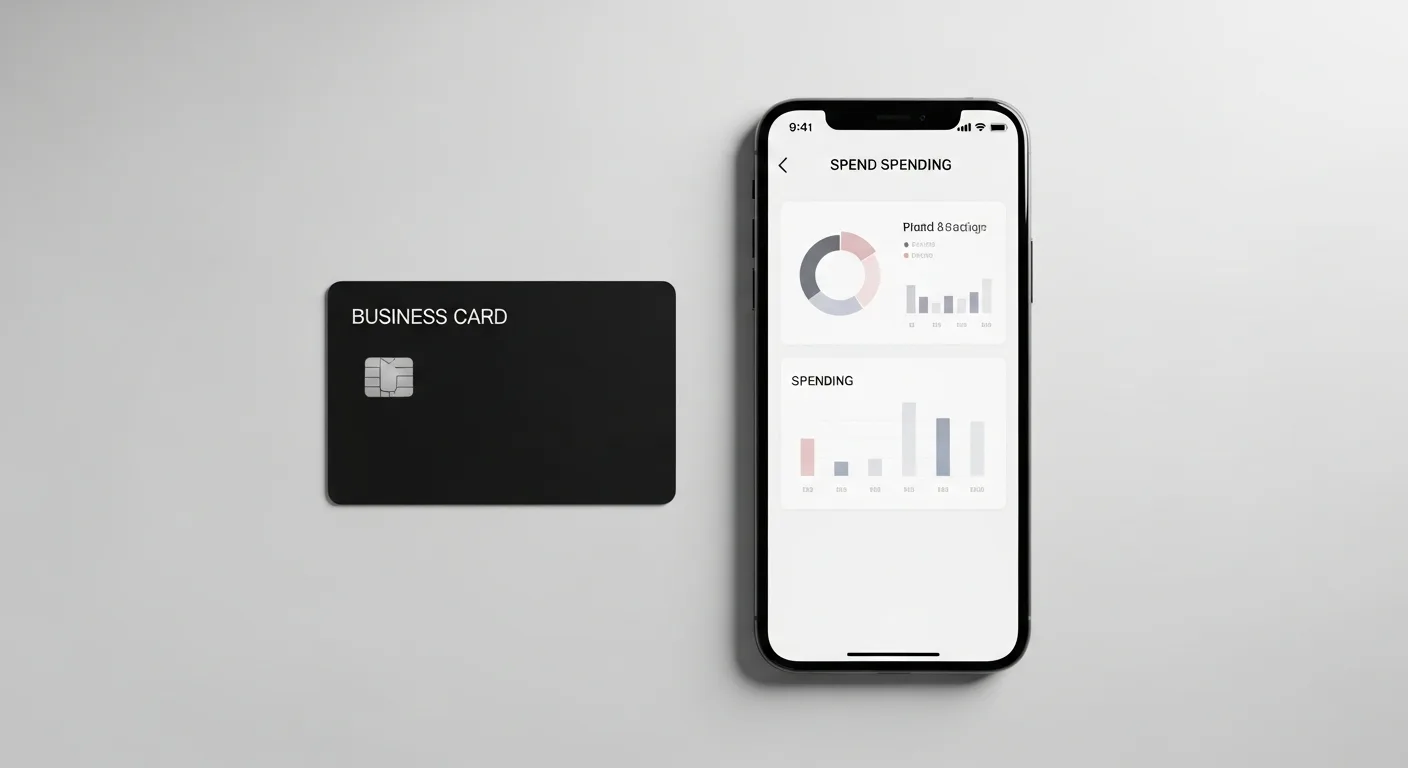
Team spending tools matter more as a startup adds employees and contractors.
Learn More About Top OffersFrequently Asked Questions
What do issuers look at for a startup business card?
Should a funded startup use a traditional business card or a corporate card program?
Do I have to personally guarantee a startup business card?
Do I need revenue to get a startup business card?
Will applying affect my personal credit?
Can I have both a traditional card and a corporate card program?
What should I do before applying?
The Bottom Line
The best way to choose is to lead with your strengths. If your personal credit is strong, a traditional business card is a straightforward place to start. If your company has real cash, funding, or fast-growing revenue, a startup or corporate card program may fit better and give your team more control.
Prepare your EIN, business bank account, and consistent details, keep personal utilization low, and avoid applying for several cards at once. Then compare current offers and pick the product that matches your stage.