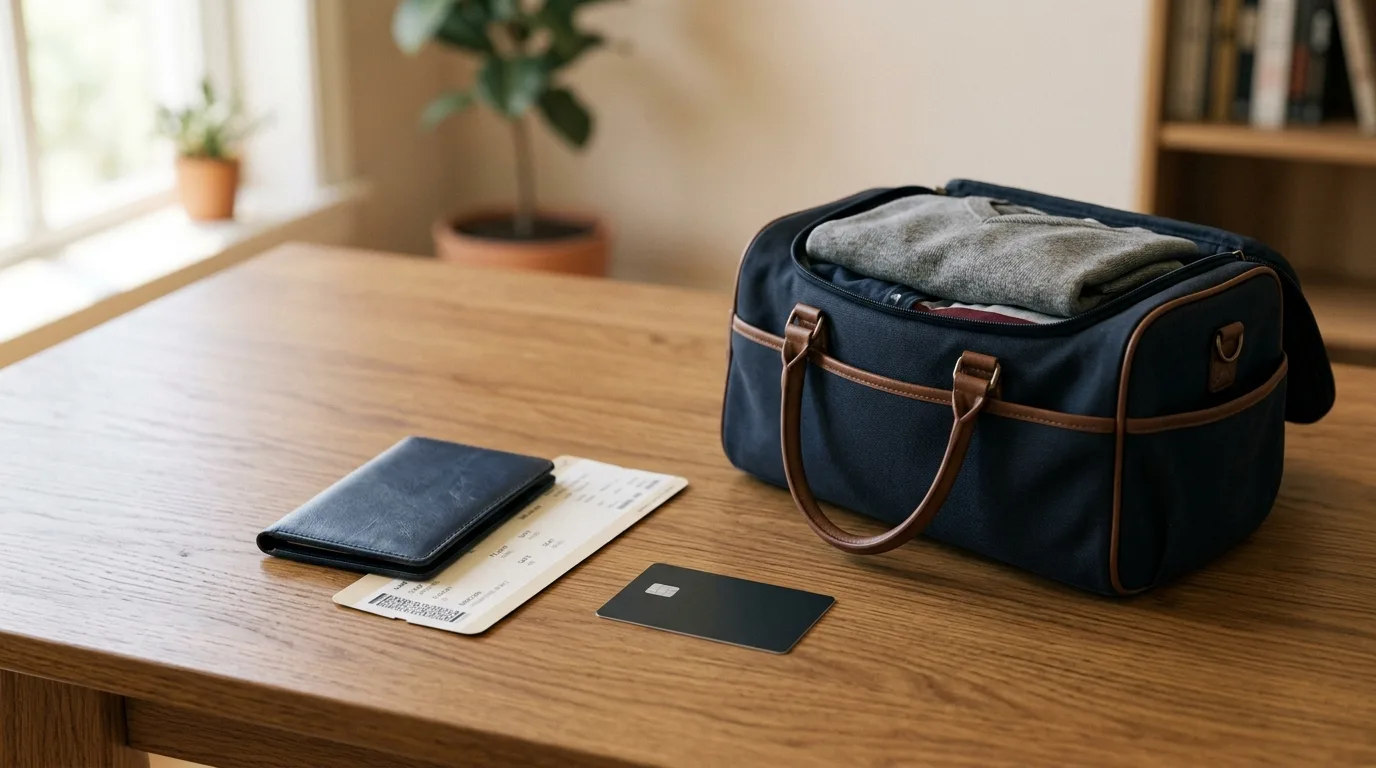
Yes—but the best temporary setup is usually one card with no foreign transaction fees and broad acceptance as your daily driver, plus a second card as backup. That matters because you can't count on any single card working everywhere in Norway, where debit cards and mobile payments are common. My friend Dave learned this after packing his family for a two-year work assignment in Stavanger last spring: Norway wouldn't issue him local credit for at least a year, so his old US wallet had to become his entire financial toolkit overnight.
Key Takeaways
- Choose a widely-accepted network card with no foreign transaction fees as your primary daily card — acceptance matters more than rewards for the first year.
- Carry a backup card from a different network in case your main card is declined at a terminal, plus a small cash buffer for cash-preferred spots.
- Reassess your spending categories after the move — housing, transportation, and food are major household expenses, and that mix can shift abroad.[2]
Why acceptance matters more than rewards this year
Dave's first instinct was to chase points. But the more useful question for a temporary card is simpler: will it work when he taps it at a grocery store in Stavanger? Acceptance can vary by network and merchant, especially abroad. That's the first filter — not cash back rate or travel perks, but whether the card is likely to work where you need it. compare current no-foreign-transaction-fee offers
This matters because you're not choosing a forever-card. You're choosing a bridge. Your job for the next year is to keep spending manageable and continue using your US credit accounts responsibly, so that when you're eligible for a Norwegian card, your credit profile back home remains well maintained.
A no-foreign-transaction-fee card also matters more than usual here. Every swipe abroad on a card that charges that fee quietly taxes your everyday spending — groceries, gas, dinners out — for the full year you're there.
Already know what you want? A year without local credit doesn't mean a year of financial headaches — the right US card could help cover everyday spending while you're abroad.
Learn MoreHow should you handle limited card acceptance in Norway?
Norway relies heavily on electronic payments, but that doesn't mean every US card gets equal treatment. Smaller shops, kiosks, and some transit systems may only accept debit-style payments or a narrower set of card networks. Dave learned this the hard way at a local bakery that simply didn't take his card at all.
The fix is redundancy. Carry a primary card and a backup on a different network, so a decline at one terminal doesn't leave you stuck. It's also worth telling your card issuer about the move before you leave — a sudden pattern of Norwegian purchases can trigger a fraud hold if the issuer doesn't know you're traveling.
Given that credit cards were used for close to a third of US payments last year, with debit and cash covering most of the rest, it's smart to think of your card as one leg of a three-legged setup rather than your only option.[1] Keep a debit card and a modest cash reserve in local currency as your other two legs.
- Primary card: no foreign transaction fees, broad network acceptance
- Backup card: different network, kept in a separate pocket or bag
- Debit card or cash reserve: for merchants that don't take credit at all

Setting up alerts before you fly keeps fraud monitoring active from day one abroad.
Which rewards structure actually fits a move like this?
Before the move, Dave's spending was dining-heavy — client lunches, weekend takeout. After landing in Norway, his biggest costs became groceries, transit, and furnishing a rental. That's a common pattern: household spending categories shift substantially after an international move, and a card optimized for your old life may earn you little in your new one.
Nationally, housing eats up about a third of household spending, transportation another sixth, and food close to an eighth — and those proportions often move even further after a relocation, since rent, transit passes, and grocery runs replace the commute and dining patterns you had before.[2] A flat-rate cash-back card, or one offering flexible points you can redeem broadly, tends to hold up better than a card tied to categories like US gas stations or domestic dining that won't apply once you're abroad.
Roughly a third of general-purpose credit card accounts offer cash back, another third offer points or other rewards, and a tenth offer miles — plenty of options exist, so there's no reason to settle for a card whose earning categories don't match where your money is actually going now.[3]
Make a couple of small international purchases online (a hotel booking, a local SIM plan) before you fly. It confirms the card works internationally and lets you catch any issuer-side blocks while you still have easy phone access to customer service.
Travel Rewards Offers
Ready to lock in your everyday card before the move?
| Priority | Why it matters abroad | What to look for |
|---|---|---|
| No foreign transaction fees | Avoids a fee on every purchase for a full year | Confirm explicitly in the card's terms |
| Wide network acceptance | Some networks have thinner acceptance in parts of Europe | Favor cards on the most widely accepted networks |
| Flexible rewards | Your spending categories will shift after the move | Flat-rate cash back or transferable points over rigid categories |
| Fraud monitoring | New country, new spending patterns, higher scrutiny | App-based alerts and easy remote support |
Should you worry about fraud monitoring on a temporary card?
Yes, more than you might think. New spending patterns in a new country can trigger fraud alerts, and you'll want an issuer with responsive app-based alerts and an easy way to reach support from abroad, since a phone call home can be expensive and awkward across time zones.
Fraud isn't a rare event either. The FTC logged over 449,000 reports in 2024 involving misuse of information tied to an existing credit card or a card application, which is a strong reminder to pick a card with solid monitoring and quick dispute support rather than the flashiest sign-up offer.[4]
Set up transaction alerts for every purchase over a small threshold, and check the app weekly rather than waiting for a statement. A card that's easy to freeze and unfreeze from an app is worth more here than one with a slightly better rewards rate.
What about keeping your US credit healthy while you're away?
This is the part people forget. You're not just picking a card for daily spending abroad — you're also maintaining your US credit file so it can be in good shape when you eventually return or apply for local Norwegian credit. Keep your existing US cards open and active with a small recurring charge, like a streaming subscription, which can help prevent inactivity-related closure while you're gone.
Set every card to autopay in full from a US bank account you keep open during the move. A missed payment from overseas can damage a credit history you've spent years building, so setting up autopay before you leave can help reduce that risk.
Compare Current Offers
Find the right temporary card before you pack
Compare current offers built for cardholders who need reliable acceptance and no foreign transaction fees.
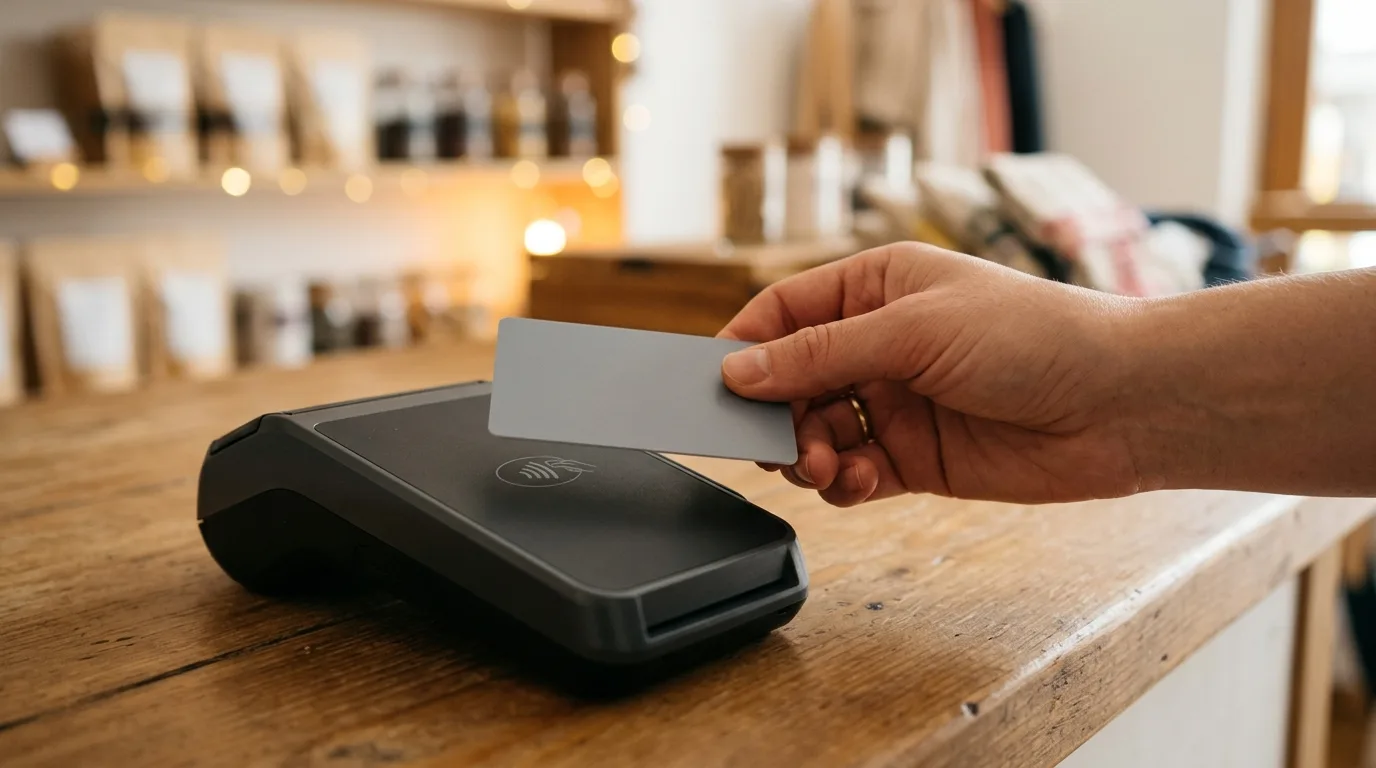
Acceptance varies more abroad than at home, so a backup card matters.
Learn More About Top OffersFrequently Asked Questions
What's the best type of US card for a year abroad with no local credit?
Should I rely on one card or bring two?
Will my card's rewards still make sense once I move?
Do I need to tell my card issuer I'm moving abroad?
Will one network work better in Norway than another?
How do I keep my US credit score healthy while living abroad?
Is cash still necessary in a country like Norway?
The Bottom Line
A temporary US card for a year in Norway doesn't need to be exotic — it needs to be dependable. Prioritize no foreign transaction fees, wide network acceptance, and solid fraud monitoring over chasing a rewards category that may not even apply to your new life abroad.
Pair that primary card with a backup on a different network and a small cash buffer, keep your other US cards active with autopay, and you'll be better positioned to manage everyday spending and maintain your credit history back home.