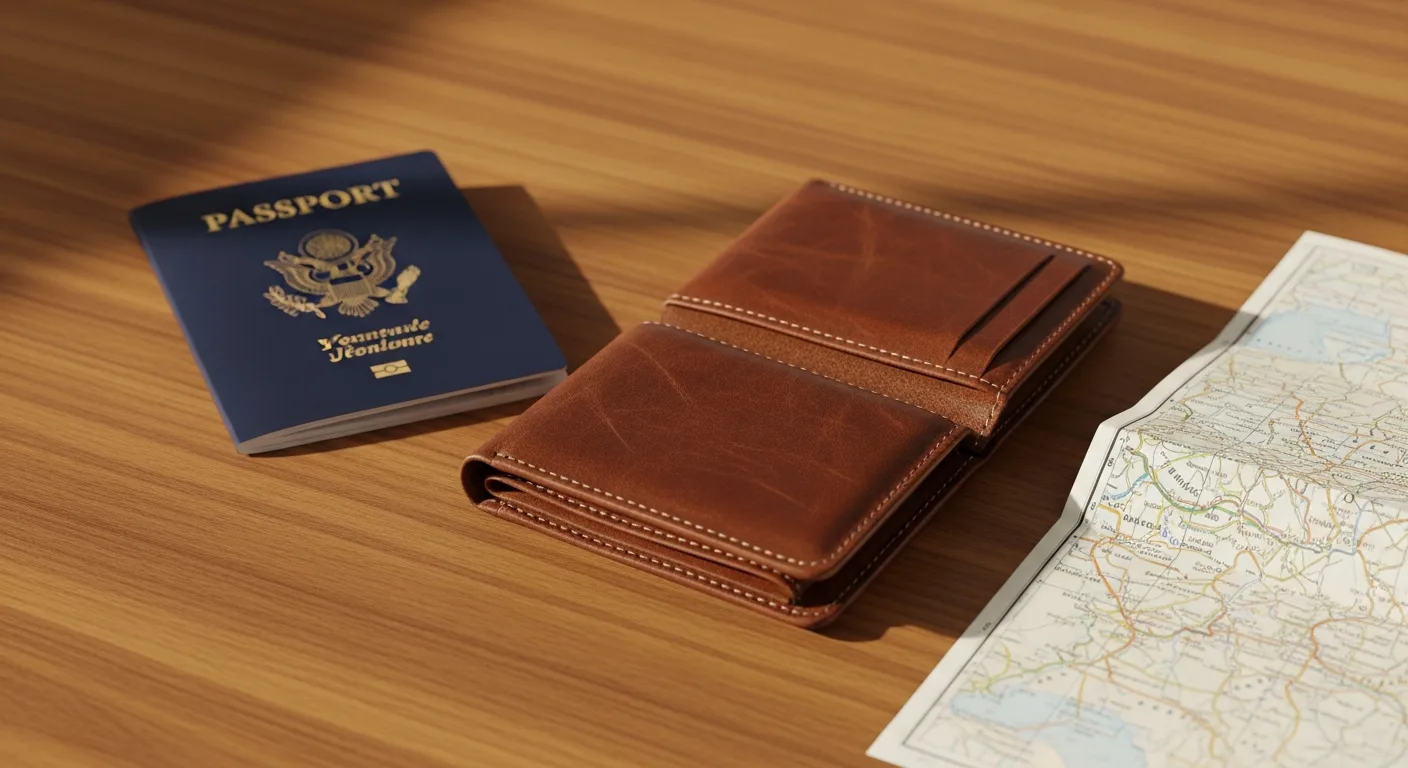
Yes — moving from the US to France usually makes it worth keeping two US cards, as long as both have no foreign transaction fees, strong travel rewards, and chip-and-PIN capability. Most Americans already have a credit card they plan to keep after an overseas move.[1] But a card that worked perfectly in Chicago can quietly bleed you dry with a foreign transaction fee every time you tap at a Paris grocery store, book a train to Lyon, or pay a utility bill online in euros. The good news is that a handful of US travel cards are genuinely built for people who live abroad, not just people who visit for two weeks.
Key Takeaways
- Foreign transaction fees are a silent tax on every euro you spend — any card you keep must waive them completely.
- A two-card setup (one for travel rewards, one as a backup with different benefits) is the expat standard — single-card reliance is risky when you're far from a US branch.
- Chip-and-PIN support matters more in France than the US — some US cards are chip-and-signature only, which can fail at unstaffed kiosks like train ticket machines.
Why Your Current US Card Probably Won't Cut It
Most standard US cards charge a foreign transaction fee on every purchase made in a foreign currency. That sounds small. But picture this: you're renting an apartment in Lyon, spending roughly $2,500 a month on rent, groceries, transport, and dining. A foreign transaction fee on that spend adds up fast — just for the privilege of using your own card. That's not a travel splurge. That's a hidden tax on daily life. compare travel cards with no foreign transaction fees
France is one of the top overseas destinations for American travelers. Card issuers know Americans go to France — but most standard rewards cards are still built around the assumption you'll be home most of the year. As a full-time expat, you need a card engineered for the opposite situation.
The fix is simple in principle: only keep cards that explicitly waive all foreign transaction fees. But that's just the starting point. The card also needs to earn meaningful rewards on categories relevant to European life — travel, dining, groceries — and it needs to actually work at the kinds of terminals you'll encounter every day.
On $2,500/month of typical expat spending, a foreign transaction fee costs a lot over a year — enough for a round-trip flight home.
Already know what you want? Living in France for years is very different from visiting for a week. The credit cards that serve you best are ones designed for ongoing international use — no foreign fees, real chip-and-PIN, and rewards that reflect how expats actually spend.
Learn MoreChip-and-PIN: The Expat Detail Most Articles Skip
Here's the non-obvious one. US credit cards have had chip technology for years, but many are chip-and-signature, not chip-and-PIN. In a staffed restaurant or shop in Paris, that's usually fine — a cashier can process your signature. At an unmanned kiosk — think a train ticket machine, a highway toll booth, a parking garage, or a bike-share terminal — chip-and-PIN is often required, and a chip-and-signature card will simply be declined.
For a tourist spending a week in Paris, this is a minor inconvenience. For someone living in Lyon or Bordeaux and commuting by train, it's a recurring problem. Before you rely on any US card in France, check whether it supports PIN transactions, not just chip. Call the issuer and ask directly. Some premium travel cards do support PIN; others technically allow you to set a PIN but only process it as a fallback, not as a true PIN transaction.
The practical solution: identify which of your cards support full chip-and-PIN, keep that as your primary card, and carry a second card (plus a small amount of cash) as backup. Two cards also protects you if one is lost, frozen for a fraud alert, or physically damaged — a real risk when you're thousands of miles from your nearest US branch.
Call your card's customer service and ask: 'Does this card support chip-and-PIN transactions at international terminals, or only chip-and-signature?' The answer will vary by card and issuer. Don't assume — ask.

Setting up your card strategy before departure saves headaches once you're living abroad.
What Kind of Card Should You Actually Get?
For an expat living in France long-term, the best card setup is a travel rewards card as your primary, plus no annual fee card as your backup. The travel card earns points or miles on your biggest spend categories — flights home, hotels when you travel within Europe, dining out — and often includes benefits like trip delay coverage, lost luggage reimbursement, and primary rental car coverage that become genuinely useful when you're moving around a lot. A card that rewards travel spending pays back quickly.
no annual fee backup card exists for two reasons. First, it gives you a second chip-and-PIN option if your primary card fails at a kiosk. Second, it keeps a US credit line open at zero cost, which protects your credit history and your credit score back home. US credit scores are built on US accounts — if you close all your cards when you move abroad, you come back to thin or nonexistent credit. Keeping even one no-fee card active and occasionally used preserves the history you've built.
Cards recommended for good to excellent credit tend to offer the strongest no-foreign-fee travel packages. If your credit is in solid shape before you move, focus your search there. If you're earlier in your credit journey, there are still solid no-foreign-fee options recommended for fair to good credit — the rewards will be thinner, but the fee savings alone are worth it.
- No foreign transaction fees — non-negotiable for any card you'll use in France
- Chip-and-PIN support — confirm with the issuer before departure
- Travel rewards on dining, flights, and hotels — your biggest spend categories as an expat traveler
- Trip delay and lost baggage coverage — more valuable when home is a transatlantic flight away
- No annual fee option as a backup — keeps your US credit history alive at zero cost
- Strong fraud protection and easy online dispute resolution — critical when you're far from a US branch
Travel Rewards Offers
Ready to Find Your Expat Card Stack?
| Feature | Why It Matters for France Expats | What to Look For |
|---|---|---|
| No foreign transaction fee | Eliminates the foreign transaction fee on every euro purchase | Must be explicitly waived — check the card terms |
| Chip-and-PIN support | Required at French train kiosks, toll booths, and many unmanned terminals | Confirm with issuer — chip-and-signature is not enough |
| Travel rewards (flights, dining, hotels) | Expats travel within Europe frequently; rewards compound quickly | Cards recommended for good to excellent credit offer best rates |
| Trip delay / lost baggage coverage | More valuable when home is a transatlantic flight away | Look for this in the card's travel benefits summary |
| No annual fee backup card | Keeps US credit history alive at zero cost | Even minimal use on no annual fee card preserves your credit age |
| Fraud protection & zero liability | Protects you when disputing charges from abroad | Standard on most US credit cards — verify dispute process is online-friendly |
Fraud Protection Matters More When You're Abroad
Credit cards were the payment method most frequently identified by consumers in FTC fraud reports in 2024.[2] That's a US-wide figure — but the risk profile for an expat is arguably higher. You're using your card in a new environment, often at unfamiliar terminals, and your issuer's fraud detection may flag legitimate France transactions as suspicious until it learns your new patterns. Meanwhile, if a bad actor does get hold of your card details, disputing charges from France is more friction than disputing them from your couch in the US.
A few practical habits help. Set up real-time transaction alerts on every card you carry — most issuers offer this via app. Keep your card issuer's international customer service number saved in your phone (the 1-800 numbers don't work from French SIM cards). And tell your issuer you're relocating permanently, not just traveling, so they can flag your account accordingly and reduce false fraud blocks on everyday Paris purchases.
The zero-liability fraud protection that comes with US credit cards is a genuine advantage over French debit cards. With a debit card, fraudulent charges drain your actual bank account while you wait for resolution. With a credit card, you're disputing charges on borrowed money — your own funds stay untouched during the investigation. That's a meaningful difference when you're managing finances across two countries.
The toll-free 1-800 number on the back of your card won't work from a French mobile. Before you move, look up the collect or international direct-dial number for each card's customer service and save it in your contacts.
What About Getting a French Credit Card?
Most expats eventually open a French bank account — you'll likely need one for rent, utilities, and French direct debits. French banks do offer credit cards, but qualifying as a new resident with no French credit history is genuinely difficult, and the rewards structures are thin compared to US travel cards. For the first year or two of your move, US cards will serve you better.
The smarter long-term play is to run both: a French bank account with a French debit card for recurring local bills and any merchant that strongly prefers domestic cards, plus one or two US travel cards for larger purchases, travel across Europe, and anything where you want rewards or purchase protection. The two systems complement each other rather than compete.
One thing to be aware of: some US card issuers will close accounts that go unused for too long, or if they notice you've updated your billing address to a foreign country. Check your issuer's policies. A US mailing address — a family member's address or a US mail forwarding service — can help keep accounts active and in good standing while you're based abroad.
Should You Sign Up for a New Card Before You Move?
Yes — and timing matters. Applying for a new US credit card is significantly easier when you still have a US address, US-based income documentation, and a US phone number for verification. Once you're abroad, some issuers will decline applications simply because of the foreign address, even if your credit is excellent. Apply before your move date, not after you've landed in Paris.
Applying before you go also lets you meet any minimum spend requirement while you're still in the US — use the card for moving expenses, last-minute purchases, and pre-departure travel costs. Moving internationally generates real spending: shipping, storage, flights, hotels en route. Those costs can cover a sign-up spend threshold without forcing you to manufacture purchases.
If you're planning to carry two cards (recommended), apply for both before you leave. Stagger the applications by a few weeks if you're concerned about credit inquiries clustering together. Then activate both, set up mobile alerts, save the international contact numbers, and you're set up to use them the moment you land.
A US address, US income documentation, and a US phone number make card applications far smoother. Waiting until you're already in France can complicate the process significantly.
Compare Current Offers
Build Your Two-Card Expat Setup
The right pair of US credit cards can cover your spending in France, protect your US credit history, and earn real rewards on travel across Europe. Check out top offers available now.
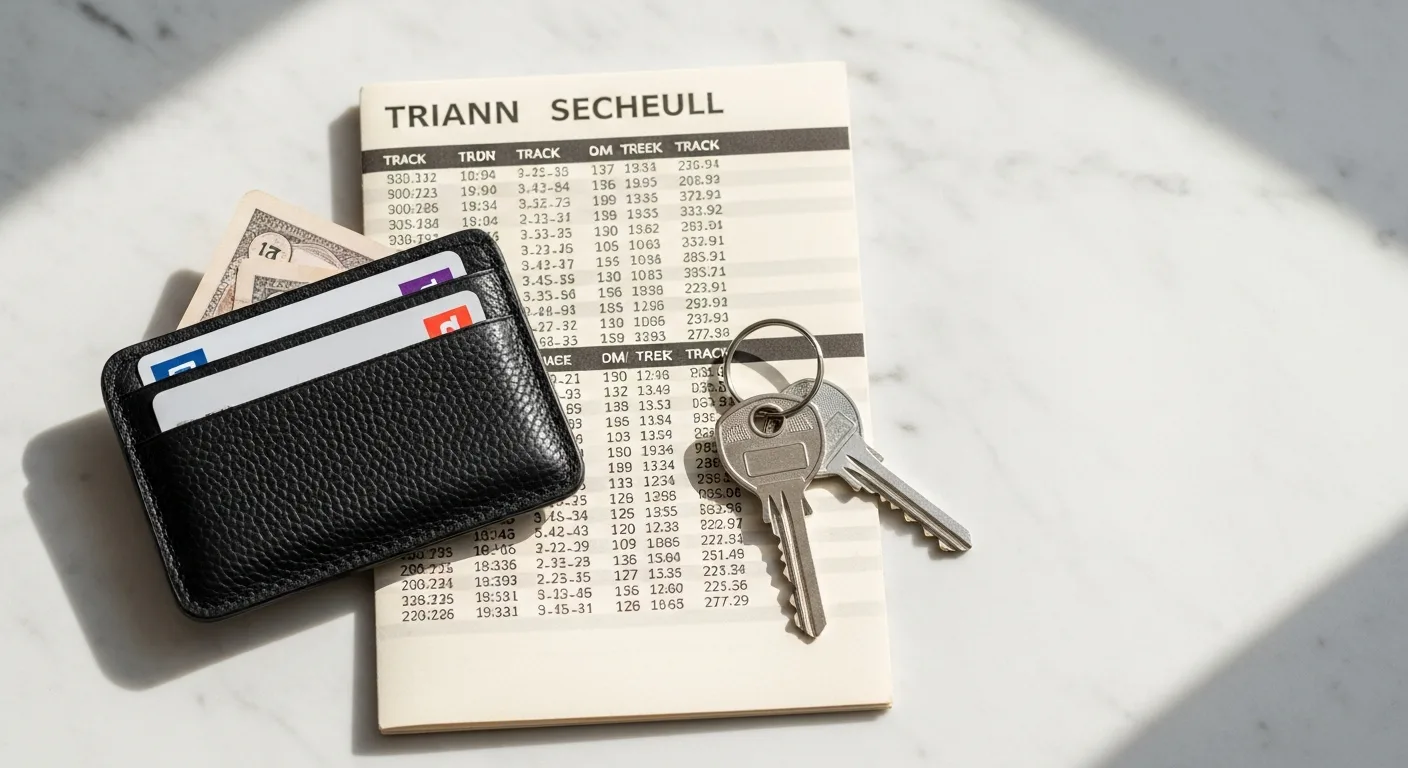
A two-card setup covers daily life in France and travel across Europe.
Learn More About Top OffersFrequently Asked Questions
Do US credit cards work in France?
What is a foreign transaction fee and why does it matter for expats?
Should I keep my US credit cards after moving to France?
When should I apply for new travel cards before an international move?
Is chip-and-PIN really necessary, or will chip-and-signature work in France?
What happens if my US card issuer closes my account because of a foreign address?
Should I also get a French credit card once I'm in France?
The Bottom Line
Moving to France permanently changes what a 'good credit card' means. The card that was perfect for occasional US travel isn't built for someone paying rent, buying groceries, and booking trains in euros every single day. The core of a smart expat card setup is simple: two US cards, both with no foreign transaction fees, both with confirmed chip-and-PIN support, and both applied for before you leave American soil.
Keep your US cards active — they protect a credit history that will matter again when you return. Use a travel rewards card as your primary for the points and travel protections. Keep no annual fee card as your backup to preserve your credit and give you a fallback at any terminal that gives your primary card trouble. That two-card stack, chosen thoughtfully before your move, could serve you well for years of life in France.