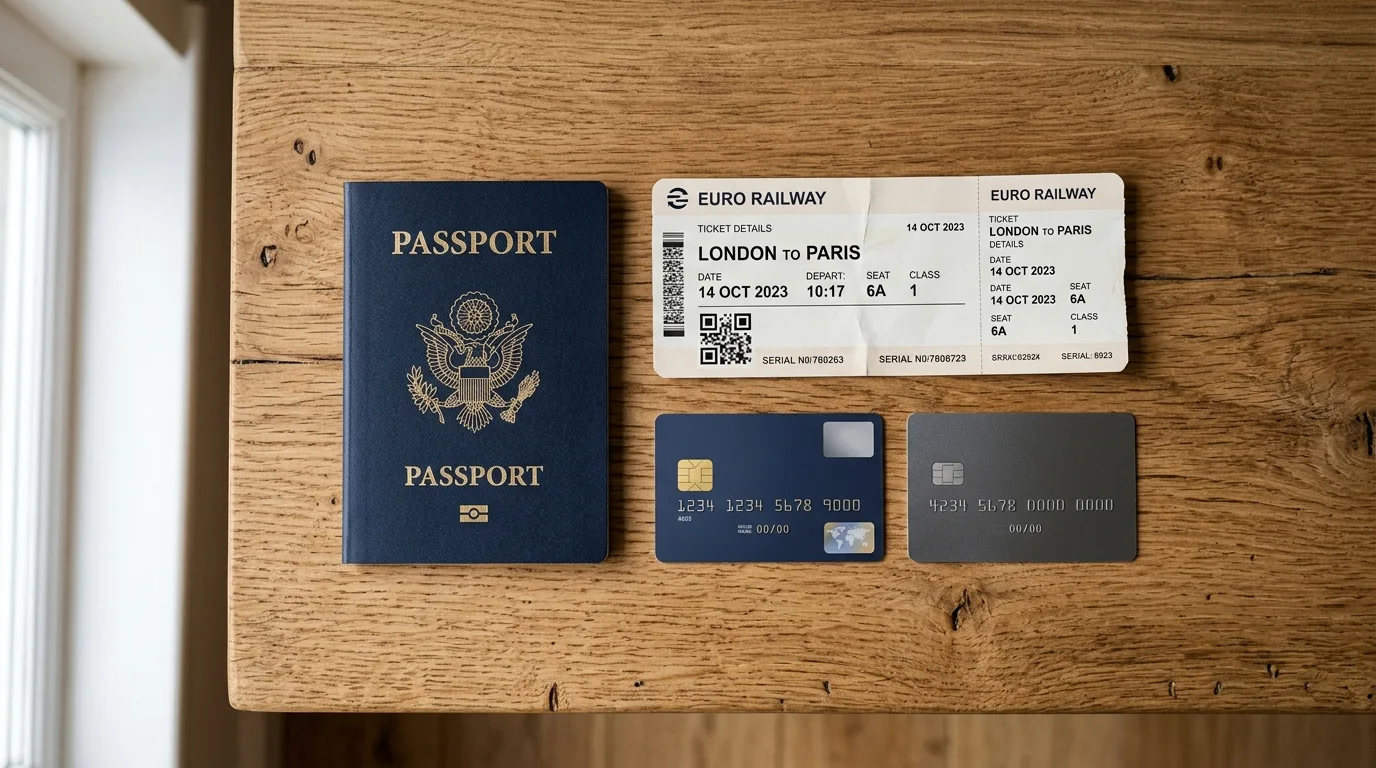
Yes. Opening a second card with no foreign transaction fees before you move could give you a backup if your primary card is frozen or unavailable. A friend of mine landed in Frankfurt with one card in his wallet, and by day three his bank had flagged it for "unusual activity" after he bought a regional train ticket and groceries. He spent forty minutes on hold with customer service while his rent payment loomed. A backup isn't about chasing points; it's about avoiding a single point of failure when you're far from home.
Key Takeaways
- The real risk isn't missing rewards — it's having zero working payment method if your only card gets frozen for fraud or triggered by unusual foreign spending.
- Applying before you leave means you can handle the application and card delivery while you still have a U.S. address and can manage the logistics more easily.
- A backup card should be opened, activated, and test-used weeks before departure — not packed in a drawer as an untested emergency plan.
Why fraud flags, not lost wallets, are the real danger
Most people picture theft when they think about being stranded abroad. In practice, the more common problem is your own bank cutting you off. Sudden foreign purchases — a train ticket in Munich, then groceries an hour later, then a phone bill in euros — look exactly like the pattern fraud-detection software is built to catch. compare current no foreign transaction fee offers
Twenty-two percent of U.S. credit-card customers reported experiencing some form of fraudulent activity on their account during the previous 12 months[2], and 10% of U.S. credit-card adopters reported credit-card theft or fraud[4]. These figures describe reported fraud, not how often a bank blocks a legitimate purchase. A separate card can still provide a practical backup if your primary card is blocked or replaced.
Either way, the result is the same: a frozen card, a hold message, and no way to pay for anything until it's sorted out. If that's your only card, you're stuck. If you have a second one from a different bank, you just switch and keep moving.
Already know what you want? Being stranded abroad rarely starts with losing your wallet — it starts with a bank's fraud algorithm flagging a train ticket. Here's how to build a real backup plan.
Learn MoreWhy applying after you land in Germany is the wrong plan
Some people assume they'll just apply for a backup card once they're settled overseas and see how things go. That's backwards. In 2024, the average rejection rate for U.S. credit-card applications was 20.2%[1], so it can be useful to arrange a backup before you move rather than assume you can open one later if a problem arises. Applying from abroad may also involve practical hurdles, such as address and identity verification.
There's also a practical wrinkle: most U.S. card issuers still expect a U.S. mailing address and a way to verify your identity that gets harder to manage once you're overseas. If your application gets flagged for manual review, you could be waiting on a physical card delivery to a foreign address for weeks.
None of this means you can't apply after you move. It means handling the application and card logistics before departure may be more convenient.
Apply at least four to six weeks before departure. That gives you time for approval, card delivery, activation, and a couple of real test purchases — so you know it actually works before you need it.

Fraud flags often trigger on ordinary purchases like train tickets, not just large ones.
What actually makes a card useful as an emergency backup
For this specific job — a contingency, not a rewards engine — a few features matter far more than the sign-up bonus or the earning rate.
First, no foreign transaction fees. Every purchase on a card that charges them adds a small percentage tax to every euro you spend for three years, which adds up fast even if you never use the card as your main one.
Second, it should come from a different bank than your primary card. If both cards are issued by the same institution, one fraud flag or one system outage can take both down at once — defeating the entire point of a backup.
Third, check that the issuer has a working international customer service line and a mobile app that functions outside the U.S.. A backup card you can't actually manage or contact from Germany isn't much of a backup.
- No foreign transaction fees on purchases
- Issued by a different bank than your main card
- Working international customer support and app access
- Widely accepted network, not a niche or store-only card
- Recommended for good to excellent credit
Travel Rewards Offers
Ready to set up your backup card before you go?
How to actually set this up before you leave
Getting the card is only step one. The setup that prevents a stranded moment abroad happens in the weeks before you fly.
Activate the card immediately, then use it for a few small real purchases in the U.S. — coffee, gas, a subscription renewal. This confirms the account is live and gives you a chance to check that the card works before you travel. A first purchase on a foreign train platform may prompt a fraud review, so test the card at home and know how to contact the issuer.
Set a travel notification if your issuer offers one, even though many no longer require it. Save the international collect-call number for customer service somewhere other than your phone's contacts, in case the phone itself is the problem. And tell a trusted person back home the card's last four digits, so they can call on your behalf if you're ever without phone access.
You could also learn more here about how issuers handle backup cards for the study-abroad crowd, since the logistics overlap closely with a multi-year move.
What if my card gets flagged anyway?
The Federal Trade Commission received 449,032 reports in 2024 involving misuse of an existing credit card or applications for a new credit card[3]. Having two cards from two banks means a compromised account on one doesn't leave you with nothing.
If a card does get flagged, resist the urge to keep retrying the same purchase — repeated declines can extend the freeze. Instead, call the number on the back immediately, verify your identity, and switch to the backup card for anything time-sensitive like a train ticket or a rent transfer while the first one gets sorted out.
Compare Current Offers
Don't leave for Germany with just one card
Compare no foreign transaction fee cards now so you have a tested backup ready before departure, not a last-minute scramble.
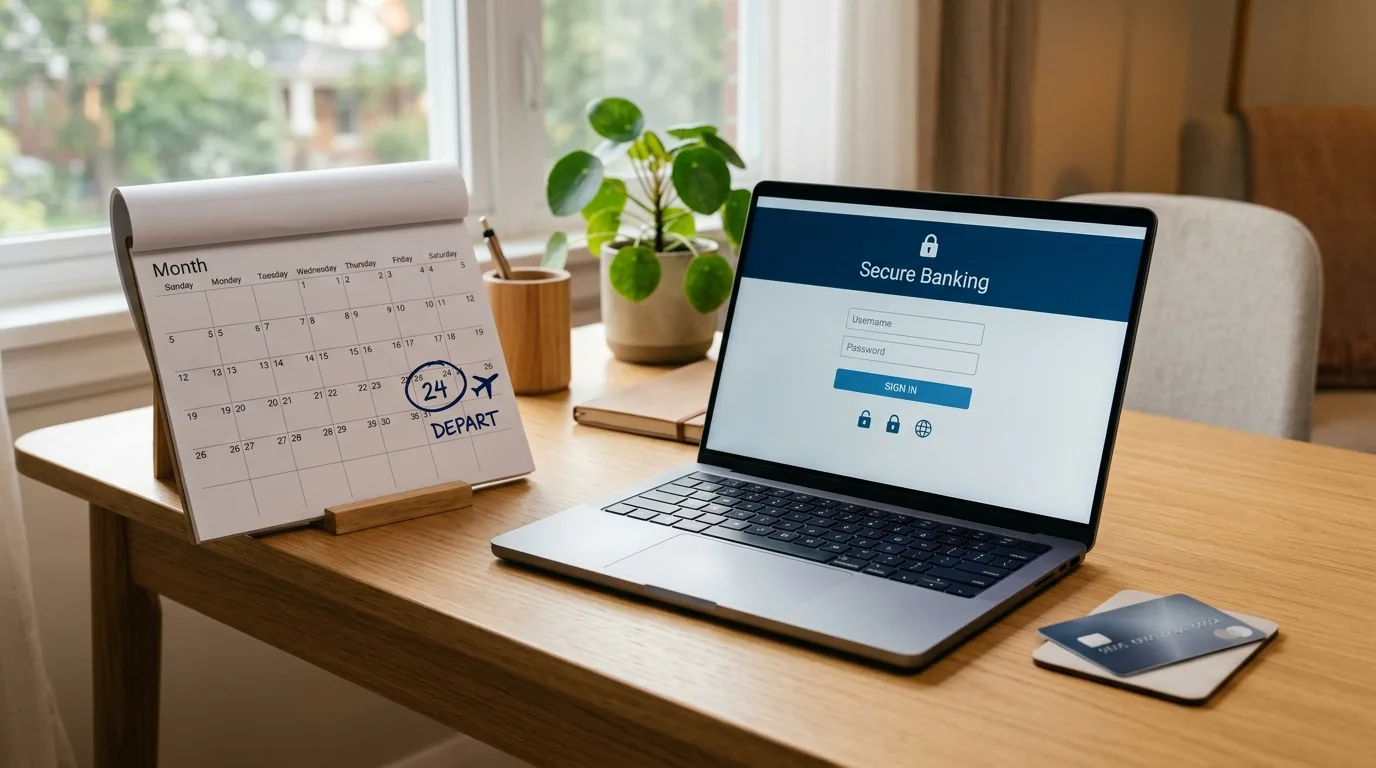
Activating and test-using a backup card weeks before departure builds the spending history that keeps it from getting flagged later.
Learn More About Top OffersFrequently Asked Questions
Should I get a no foreign transaction fee card before moving to Germany?
What's the biggest risk of only having one card abroad?
When should I open the backup card?
Does it matter which bank issues the backup card?
Will I definitely be approved for a new card before moving?
Do I need to notify my bank about international travel?
Is a debit card enough of a backup instead of a second credit card?
The Bottom Line
Opening a no foreign transaction fee card before your move isn't about optimizing rewards for three years in Germany. It's about making sure one fraud flag, one system hiccup, or one lost card doesn't leave you unable to pay for anything in a country where fixing it takes longer than it would at home.
Do it early, from a different bank than your main card, and actually use it a few times before you leave. That small bit of setup is what turns a backup card from a theoretical safety net into one that actually works the day you need it.