
What do you spend the most on each month? Groceries? Gas? Dining out? That single question is the most important one you can answer before picking a no annual fee card. A card that earns a high rate on groceries could be worth significantly more to you than one with a better flat rate — but only if groceries are actually where your money goes. If your biggest spending category is something else entirely, that grocery card does nothing for you.
The right no-fee card isn't the most popular one or the one with the best headline number. It's the one whose earning structure aligns with your real spending habits. Here's a five-step process for finding it — starting with your actual spending data, not assumptions.
Key Takeaways
- Start with your real spending categories before comparing reward rates
- Flat-rate cards are simpler, while category cards can earn more when your spending is concentrated
- Check caps, foreign transaction fees, and credit requirements before choosing a no-fee card
Already know what you want? See top no annual fee cards available right now.
Learn MoreQuick Answers
Short answers for the most common questions before you get into the details.
What's the most important factor when choosing a no annual fee card?
Where you spend your money. The best no-fee card for you is the one whose bonus categories match your actual spending — not the one with the highest advertised rate. A card earning more in groceries and gas outperforms a flat-rate card if those categories dominate your monthly budget. Look at your last two or three months of spending, find your top two categories, then find a card built around them.
How do I know if a no annual fee card is good for my spending?
Look at where you actually spend the most money each month — groceries, gas, dining, online shopping, or travel. Then find a no-fee card whose bonus categories match those areas. A card that earns more in your top spending categories will almost always outperform a card with a higher headline rate that doesn't align with your habits.
Can I have more than one no annual fee credit card?
Yes, and many people do. A common strategy is to pair a flat-rate card for general spending with a rotating category card to maximize bonus earning in specific areas each quarter. Since neither card costs you anything annually, the combination costs nothing to maintain.
Step 1: Know Where Your Money Actually Goes
Before you compare any cards, spend five minutes looking at your last two or three months of bank or card statements. What are your top three spending categories? For most people it's some combination of groceries, gas, dining, streaming, online shopping, or travel. Write them down.
This matters because no annual fee cards vary dramatically in how they reward different categories. A card that earns a high rate on groceries could be worth more to a heavy grocery spender than a card with a better flat rate on everything. But if you spend most of your money on categories the first card doesn't bonus, the flat-rate card wins.
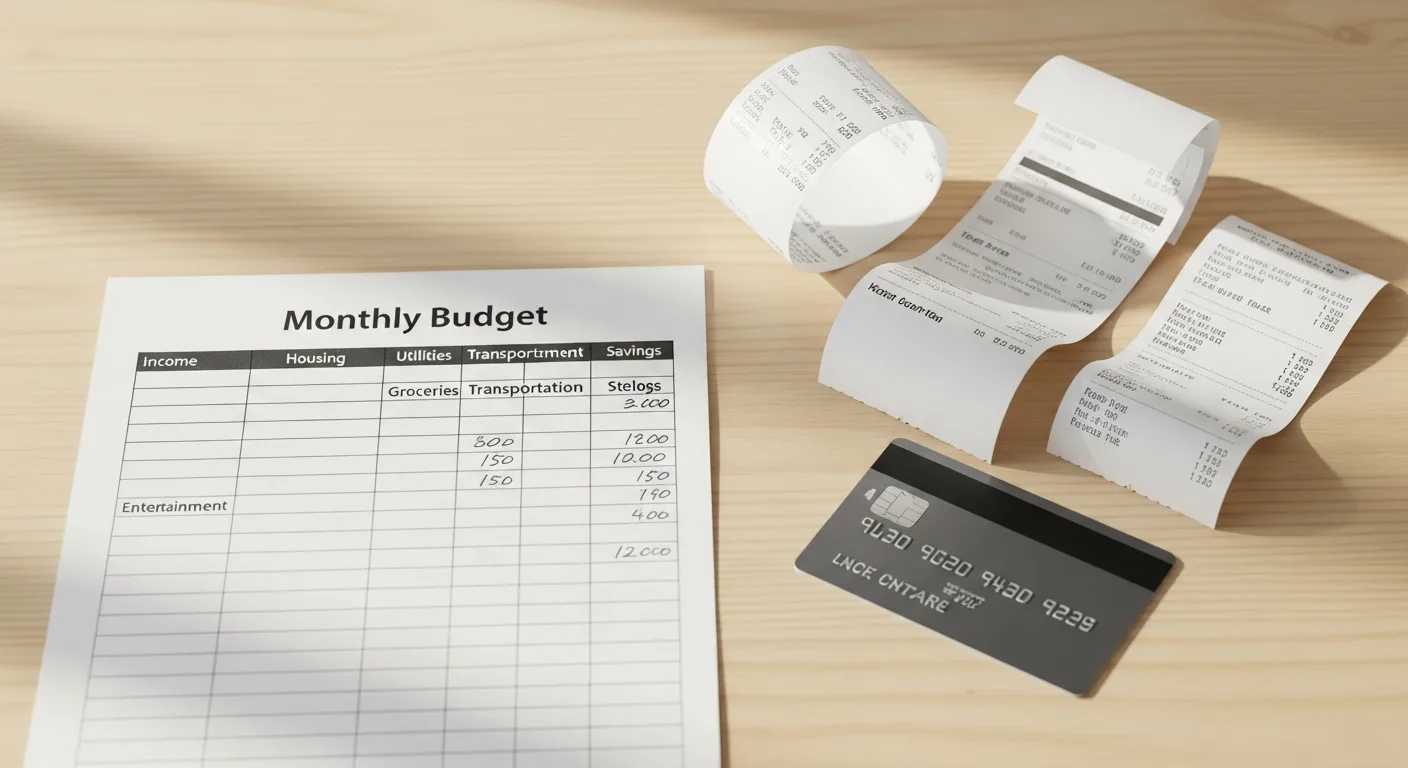
Identifying your top spending categories is the most important first step in choosing the right no-fee card.
Most card issuers define "groceries" and "dining" differently — some include warehouse clubs, others don't. Check the specific category definitions for any card you're considering before assuming your spending will qualify for the bonus rate.
Step 2: Decide What Kind of Rewards You Want
No annual fee cards offer three main types of rewards, and each has a different profile:
- Cash back — The simplest option. Rewards come as a statement credit, check, or direct deposit. No points systems to learn, no redemption gotchas. If you want straightforward value, cash back is hard to beat.
- Points — Some no-fee cards earn points that can be redeemed for travel, gift cards, or cash back. Points programs can offer higher value per point if you redeem for travel, but require more management.
- Miles — No-fee travel cards earn miles, often with no foreign transaction fees. Great for light travelers who want to accumulate miles without paying a yearly fee.
For most people who want simplicity, cash back is the right answer. For light travelers or those who want to build a points balance over time, a no-fee travel or points card could make more sense.
No Annual Fee Offers
Know your spending habits? See top no annual fee cards available now.
Step 3: Choose Between Flat-Rate and Category Cards
Once you know your spending patterns, you can decide between two main earning structures:
- Flat-rate card: Earns the same percentage on every purchase. Best for people with varied spending across many categories, or those who want one simple card for everything. No activation, no categories to track, no caps to worry about.
- Category card: Earns higher rates in specific categories (dining, groceries, gas, etc.) and a lower base rate elsewhere. Best if your spending is concentrated — if you spend heavily on groceries, a card with a strong grocery bonus will outperform a flat-rate card in your wallet.
A common winning strategy: use a category card as your primary for your top spending areas, and a flat-rate card as the backup for everything else. Both have no annual fee, so the combination costs nothing to maintain. If you're debating whether a low annual fee card might outperform a free one, our Is a Low Annual Fee Card Better Than No Annual Fee? breaks down the math.
Step 4: Check the Fine Print on Caps and Foreign Fees
Two things trip people up with no annual fee cards:
- Spending caps: Some category cards cap the bonus earning — for example, a card might earn a high rate on groceries only up to a certain dollar amount per year, then drop to the base rate. If your spending exceeds the cap, a different card might serve you better in that category.
- Foreign transaction fees: Many no-fee cards still charge a foreign transaction fee (typically around 3%) on international purchases. If you travel abroad or shop from international websites, look for a no-fee card that also waives foreign transaction fees.
- Residual interest: If you have ever carried a balance and then paid it off, you might still see a small interest charge on your next statement. This is called trailing interest, and it is worth understanding before it catches you off guard. Here's our guide on residual interest after paying off your card.
Step 5: Factor in Your Credit Situation
The best no annual fee rewards cards typically require good to excellent credit. If your score is below 670, your options narrow, but they don't disappear:
- Fair credit (580–669): Some unsecured no-fee cards are available, though with lower limits and fewer rewards. A secured no-fee card is usually the stronger option — it's easier to get approved and often has a clearer upgrade path.
- No credit history: Student cards and secured no-fee cards are the best starting points. Both report to the credit bureaus and can build your score over time.
- Good/excellent credit (670+): You have access to the full range of no annual fee rewards cards. Focus on finding the best category match for your spending.
Compare Current Offers
Ready to Find Your Card?
Browse top no annual fee credit card offers and compare rewards structures side by side.
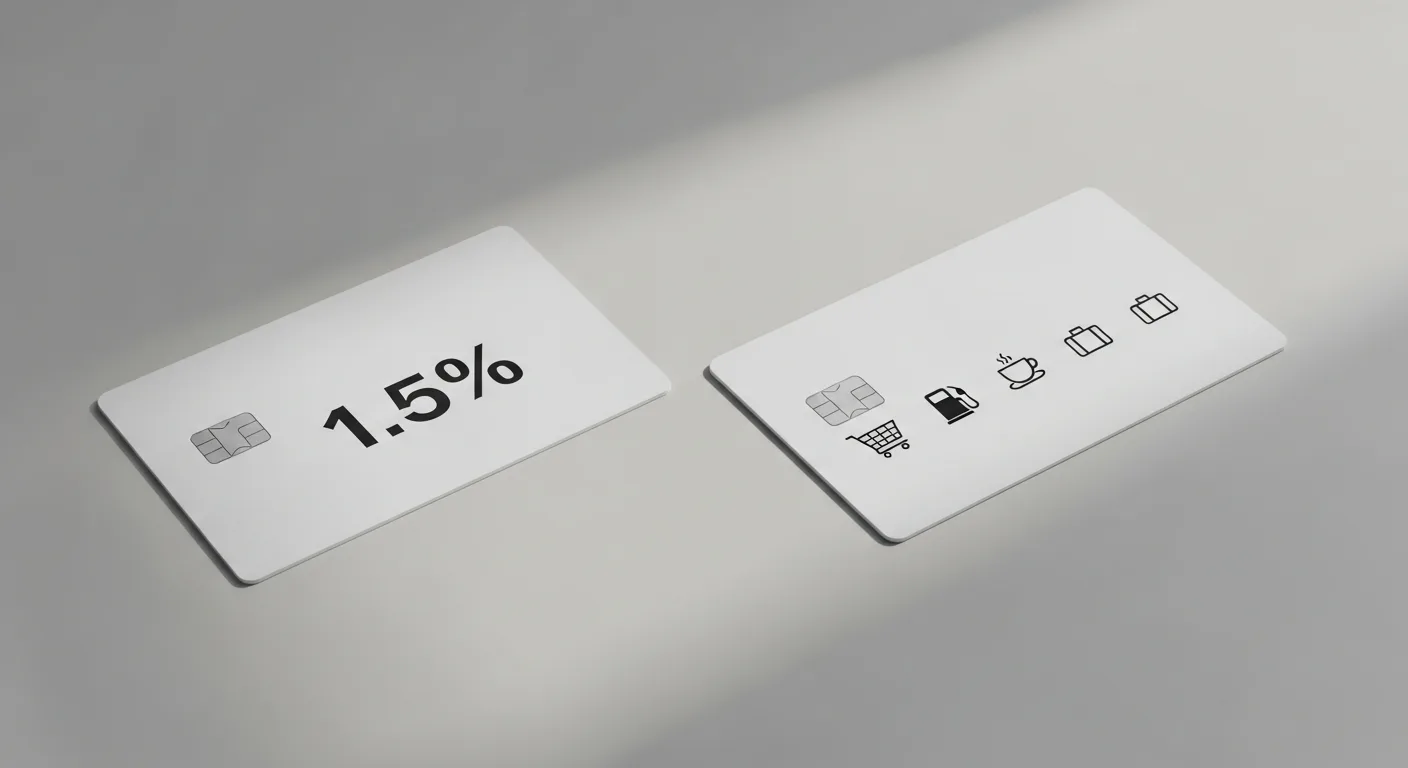
Flat-rate cards keep things simple; category cards reward you more where you spend most.
Learn More About Top OffersFrequently Asked Questions
What is the easiest no annual fee credit card to get approved for?
How do I know if a no annual fee card is good for my spending?
Can I have more than one no annual fee credit card?
What credit score do I need for a no annual fee rewards card?
Is it better to get one no annual fee card or multiple?
Should you close a no annual fee credit card you don't use?
The Bottom Line
Choosing a no annual fee card is really about matching a card's strengths to your actual spending habits. Start with your real spending data, decide what type of rewards fits your lifestyle, pick the earning structure that maximizes your top categories, and check the fine print on caps and foreign fees. Do that, and you'll end up with a card that earns well and costs you nothing to hold — for as long as you want to keep it.