
Yes — a dedicated business card is usually a smart first step for a startup practice because it keeps practice spending separate from personal expenses from the start. If you use it well, it can also help organize your books, begin building business credit, and earn rewards on routine startup costs.
Key Takeaways
- A business card creates a clean separation between practice and personal finances from day one — which matters for taxes, liability, and bookkeeping.
- You can apply as a sole proprietor with your Social Security number even before your practice has significant revenue or business credit history.
- Match the card type to your biggest startup costs: no annual fee card with flat-rate cash back works for most new practices; a rewards card with an introductory bonus could offset early equipment spending.
Why Every New Practice Needs Its Own Card — Before the First Bill Arrives
The moment you mix practice expenses with personal spending, you create a problem that only gets harder to solve. Every mixed transaction is a future bookkeeping headache, a potential tax complication, and — if you ever face an audit — a liability risk. A dedicated card draws a bright, permanent line. compare current business card offers
Credit cards are already a dominant funding tool for small businesses. About 34% of small businesses used credit cards as a source of financing, according to the NSBA Economic Report cited in the SBA's 2024 Small Business Finance FAQ.[1] And NORC's 2024 EPOP Survey found that 83% of business owners use personal assets for startup costs, with credit cards ranking as the second most common funding source.[2] The difference between the savvy practice owners and the stressed ones is usually whether they opened a dedicated account from the start.
A business card also begins building a credit file in your practice's name. That file becomes valuable faster than you'd expect — when you need to negotiate with a medical supply vendor, finance equipment, or eventually open a second location. Every on-time payment made on a business card is a data point in that growing profile.
Business cards often come with expense management tools — employee cards, category tagging, and accounting software integrations — that personal cards don't offer. For a practice that will eventually hire front-desk staff, that infrastructure is worth having from day one.
Already know what you want? Yes — get a dedicated business card before you spend a single dollar on the practice. The financial separation alone is worth it, and you could also earn rewards on the startup costs you're already planning to make.
Learn MoreCan a Brand-New Practice Actually Get Approved?
This is the question most new practice owners quietly worry about. The short answer: yes, in most cases — because issuers lean heavily on your personal credit when your business has no history. Business cards recommended for good to excellent credit typically assess your personal credit profile, your reported income (which can include your anticipated practice income), and basic details about your business such as its structure and how long it has been operating.
You can apply as a sole proprietor using your Social Security number and your practice name. You don't need an LLC, a federal employer identification number, or even a business bank account — though having those signals that your practice is a real, organized operation and can strengthen your application. If you've already formed an LLC or professional corporation for the practice, use that entity's information.
One non-obvious point: some physicians apply while still in their last year of residency or fellowship, listing their anticipated practice income. That's a legitimate approach, but be accurate. Overstating income creates problems down the line, and the card's credit limit will be recalibrated by usage patterns anyway.

Reviewing your monthly statement takes minutes when every charge is a practice expense.
Which Type of Business Card Makes Sense for a Startup Practice?
Think about what a new medical practice actually spends money on in its first year: office furniture, medical supplies and equipment, software subscriptions (EMR, billing, scheduling), professional liability insurance premiums, marketing, and a steady stream of small recurring charges. Those purchases don't all fall into one neat rewards category, which is why many startup practices are better served by a flat-rate cash back card than a category-specific one.
A flat-rate card earns the same percentage back on every purchase — no thinking required, no missed bonus categories. If you spend, say, $4,000 in the first month on supplies, furniture, and insurance, a flat-rate card captures rewards on all of it. A category card might earn more on office supplies but nothing extra on insurance or software. For a leaner startup period, simple usually wins.
That said, if your single biggest spend category is clear — say, you're equipping an exam room with significant durable medical equipment — a card that earns elevated rewards in that category could be worth the extra thought. Run the math against your actual spending plan, not a hypothetical one.
- Flat-rate cash back: best for practices with diverse startup expenses and no dominant single category
- Category cash back: best when one spend type (office supplies, telecom, travel) dominates your monthly bill
- Travel rewards: better suited to established practices where conference travel is a regular, budgeted expense
- No annual fee: lower risk while revenue is still ramping up — you keep the card even if spend drops
- Cards with an introductory bonus: worth considering if you can meet the minimum spend naturally using planned startup purchases
Business Cards Offers
Ready to Find the Right Card for Your Practice?
| Card Type | Best For | Annual Fee? | Key Trade-off |
|---|---|---|---|
| Flat-rate cash back | Diverse startup spending with no dominant category | Often no | Lower ceiling on rewards vs. category cards |
| Category cash back | Practices with one heavy spend type (supplies, telecom) | Varies | Earn less on everything outside the bonus category |
| Travel rewards | Established practices with frequent conference travel | Often yes | Less useful while revenue is still ramping up |
| No annual fee, any type | First year when volume is uncertain | No | May earn slightly less per dollar than premium cards |
Should You Pay an Annual Fee on a Startup Card?
The honest answer depends on how much you expect to spend in the first twelve months. Annual-fee business cards typically offer higher earn rates, stronger welcome bonuses, and more useful perks — but those perks only pay off if you actually use them. no annual fee card carries no fee risk: if the practice grows more slowly than expected, you keep the card open without owing an annual fee.
Consider this: if you're outfitting a basic office and expect to spend around $2,000 per month in the first year, no annual fee card with a solid flat-rate earn rate could put several hundred dollars back in your pocket over twelve months. An annual-fee card might earn more per dollar, but subtract the fee and the net advantage may be smaller than it looks.
A practical middle path is to start with no annual fee card during the startup phase, then reassess after the first full year of operation when your actual spending patterns are visible. By then, you'll know whether your practice's volume justifies a premium card.
A welcome bonus is only worthwhile if you'd spend that amount anyway. Never manufacture spend just to hit a bonus threshold — carrying a balance to chase a bonus is one of the fastest ways to turn a reward into a loss. Among businesses that carry card debt, 63% are also financially unhealthy, according to J.D. Power's 2024 Small Business Credit Card Satisfaction Study.[4]
How to Use the Card Wisely During the Startup Phase
Treat the card as a cash-flow management tool, not a credit line. The cleanest approach: pay the statement balance in full every single month. That way you capture the rewards, protect the grace period, and never pay interest — which would quietly cancel out everything you earned. Revenue from a new practice can be lumpy month to month, so build a small cash cushion in your business checking account before the first statement is due.
Set up every recurring charge on the card immediately: EMR subscription, malpractice insurance premiums, phone and internet, billing software. These charges post automatically, earn rewards, and create a tidy record. Use the card for supply orders too. Over a full year, those routine charges add up to a meaningful rewards balance without any extra effort.
One thing to watch: employee cards. Many business cards let you issue cards to staff — say, a front-desk coordinator who orders supplies — at no added cost. That's genuinely useful, but set spending limits and review statements monthly. The card is in your name, and you're responsible for every charge on it.
What About Personal Credit Card Protections — Do You Lose Them?
This is a real consideration worth understanding. Business credit cards are not covered by the CARD Act, the federal law that governs personal credit cards. That means issuers can change your interest rate with less notice and aren't bound by the same billing rules. The Federal Reserve's Survey of Small Business Finances noted that nearly half of small businesses used business credit cards for business expenses, separate from personal cards — a distinction that matters for legal protections as much as bookkeeping.[3]
In practice, this doesn't mean business cards are dangerous. It means you should read the card agreement, know your rate, and — most importantly — pay in full each month so the rate is irrelevant. The operational and financial benefits of a dedicated business card for your practice vastly outweigh the loss of CARD Act protections if you're using the card as a charge card in practice.
For a medical practice specifically, the clean separation of finances also matters from a liability standpoint. If your practice is structured as an LLC or professional corporation, commingling personal and business funds can weaken the liability protection that structure is supposed to provide. A dedicated card helps maintain that separation.
Compare Current Offers
Compare Business Cards for Your New Practice
The right card keeps your books clean, builds your practice's credit profile, and turns routine office spending into rewards. Take a look at what's available now.
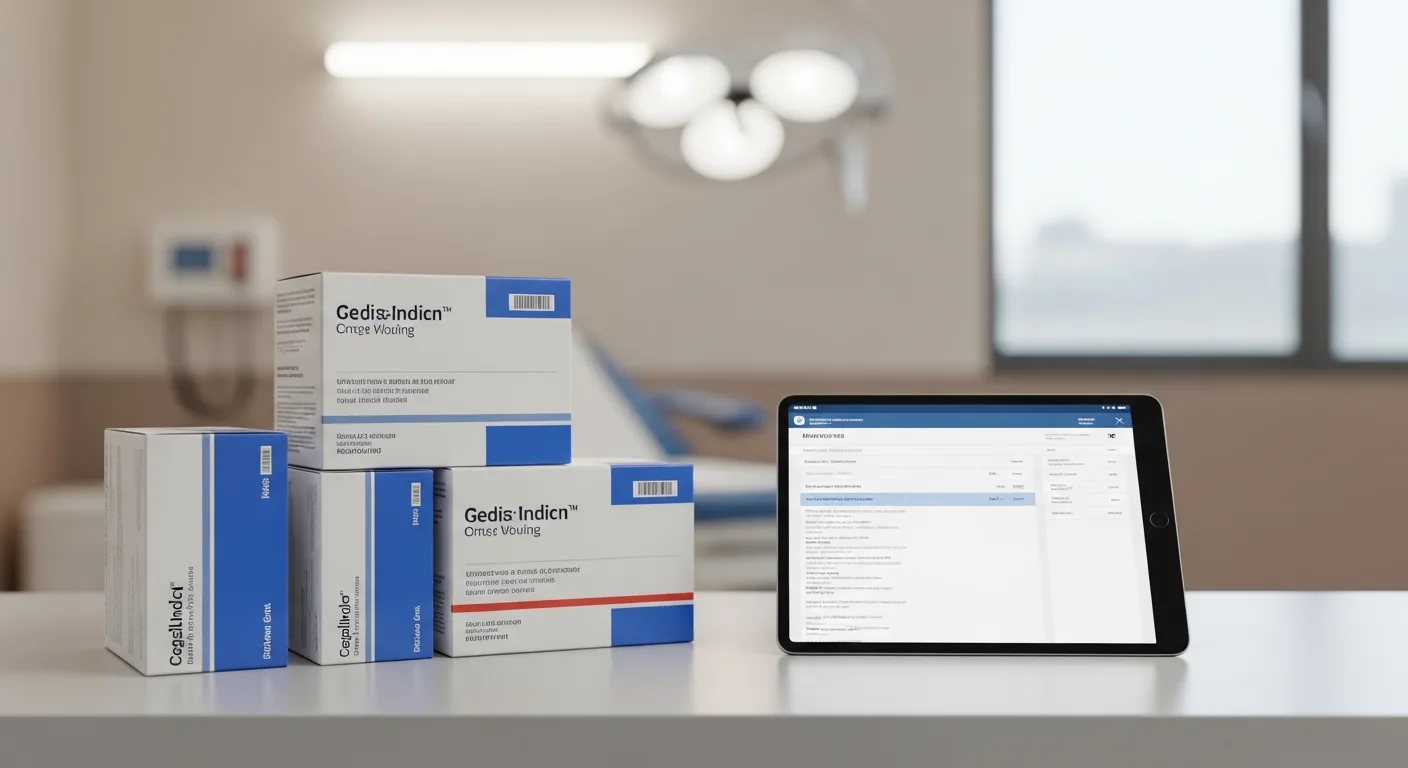
Recurring supply orders are one of the easiest wins for a business rewards card.
Learn More About Top OffersFrequently Asked Questions
Do I need a registered business entity to get a business credit card for my practice?
Can a brand-new practice with no revenue get approved for a business credit card?
Is it better to get a cash back or travel rewards business card for a startup practice?
Can I use a business credit card for my practice if I'm still an employee transitioning to private practice?
Does opening a business card affect my personal credit score?
What happens if my practice struggles and I can't pay the full balance?
Should I get more than one business card for the practice?
The Bottom Line
Yes, get a dedicated business credit card for your startup practice — and do it before the first expense hits. The separation of finances alone is worth it: cleaner books, better separation for liability purposes if you're operating as an LLC, and a business credit file that starts building immediately.
For most new practices, no annual fee flat-rate cash back card is the lowest-risk starting point. It costs nothing to carry, earns on every category of startup spending, and keeps things simple during the period when cash flow is least predictable. Once the practice is a year in and your spending patterns are clear, you can always upgrade or add a second card optimized for your biggest category. Start clean, stay clean.